

/images/ppid_a911dc6a-image-177105253714182198.webp)
/images/ppid_a911dc6a-image-177105248655682778.webp)
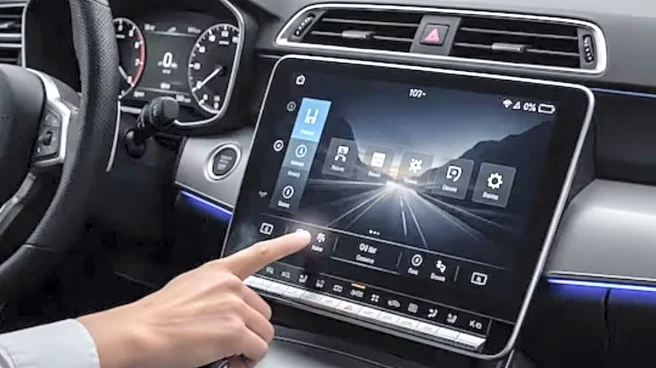
For nearly a decade, car interiors have been steadily stripped of traditional buttons as manufacturers chased a minimalist, screen-heavy design. From Tesla to Mercedes-Benz, everything from climate control to music was pushed into large touchscreens in the name of modernity.
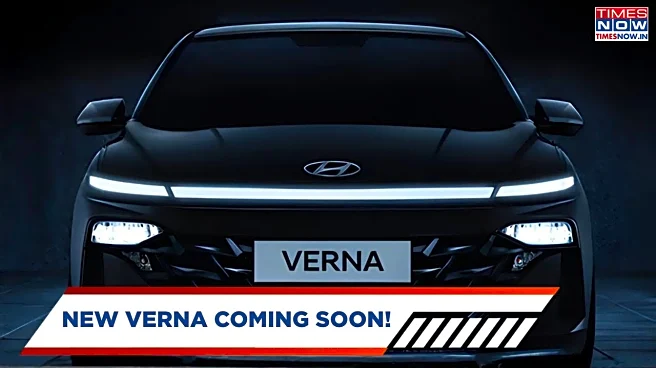
Now the trend is reversing. By 2025–26, major global carmakers including Volkswagen, Hyundai and Mercedes-Benz are reintroducing physical buttons for key functions. And there are clear reasons behind the U-turn:
1. Safety
Touchscreens require drivers to take their eyes off the road and navigate menus while driving. Physical buttons allow “muscle memory”; drivers instinctively know where the volume knob or AC control is without looking. Experts warn that even a few seconds of distraction
can significantly raise the risk of accidents, prompting manufacturers to rethink screen-only dashboards.
2. Stricter Euro NCAP Rules
Europe’s car safety watchdog, Euro NCAP, has announced that from 2026, cars relying only on touchscreens for essential functions such as indicators, wipers, horn and emergency calling will not qualify for a 5-star rating. Carmakers will be required to provide physical controls for these key operations, forcing a redesign of interiors.
3. Strong Customer Feedback
Carmakers such as Hyundai have admitted that customers are frustrated with screen-only setups. Focus groups reveal that users prefer a simple knob or switch over tapping icons repeatedly, especially on rough roads where steady touchscreen use becomes difficult. Many buyers say touch controls feel distracting and tiring.
4. Repair costs and durability concerns
While touchscreens can simplify manufacturing by reducing wiring, they are costly to repair when damaged. Physical buttons, in comparison, are cheaper to replace and often last for years without failure. Manufacturers are now weighing ease of use against long-term ownership costs.
Industry analysts say the future of car interiors will be about striking a balance; large displays will continue for maps and entertainment, but essential driving controls such as AC, volume and wipers are likely to return to tactile switches and knobs. The shift, they say, is driven less by nostalgia and more by safety and practicality.
/images/ppid_a911dc6a-image-177105606831633725.webp)

/images/ppid_a911dc6a-image-177105609957469825.webp)
/images/ppid_a911dc6a-image-177105612798527845.webp)