


India strengthened its position as a major power in Asia in 2026, emerging as a more influential regional player despite facing a mixed economic year and challenges on the diplomatic front, according to the Lowy Institute’s 2026 Asia Power Index.
The report highlighted India’s growing regional influence, with the country securing an overall score of 40.5 points. It also noted that the gap in power between India and China had narrowed to its smallest level since the index was first introduced in 2018, although China’s overall power remains 80 per cent higher than India’s.
One of the key positives for India was its performance in diplomatic influence, which remained its strongest measure. India’s score stood at 70.3 points, slipping only marginally
at a time when most countries recorded declines.
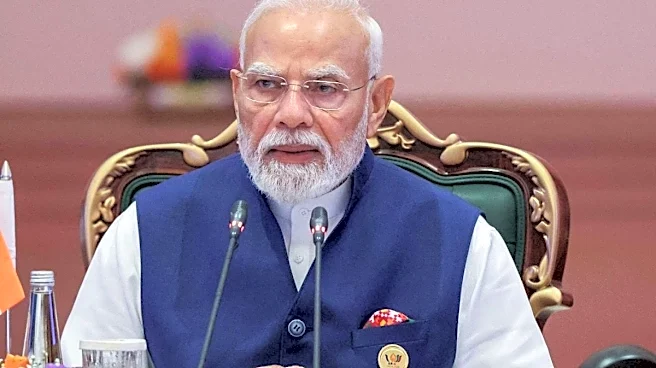
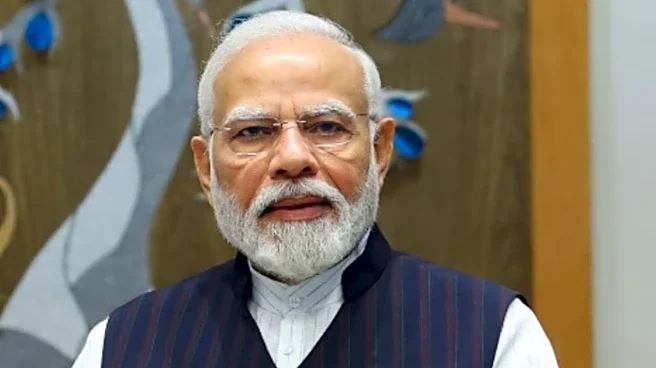
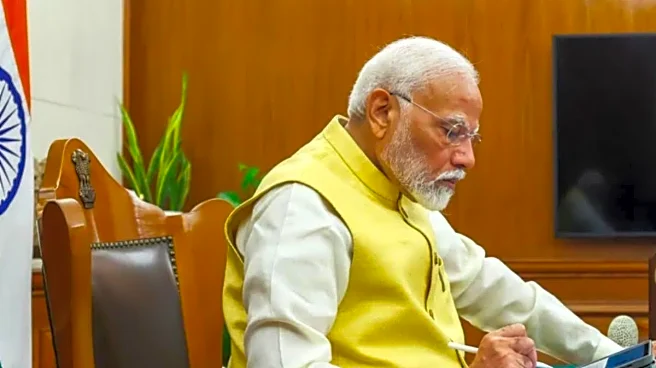
The report also highlighted a significant improvement in expert assessments of Prime Minister Narendra Modi’s regional leadership, which helped India climb three places in the rankings.
PM Modi is now regarded as the second-most effective regional leader in Asia, behind Chinese President Xi Jinping.
The improvement in PM Modi’s regional leadership assessment emerged as one of the notable findings of the report, reflecting India’s standing in regional affairs.
According to the Lowy Institute, expert appraisals of the Prime Minister’s regional leadership improved markedly in 2026, contributing to India’s rise in the rankings.
INDIA’S DEFENCE AND CULTURAL INFLUENCE GROW
India also recorded gains in several other areas, particularly its defence networks, economic relationships and cultural influence.
Its Defence Networks score increased to 18.6 points, helping the country climb two places to ninth position. The report attributed the improvement to greater regional defence engagement and BrahMos missile sales to Southeast Asian countries.
India’s Cultural Influence score also rose to 43.8 points, with improvements recorded across all three parameters measured by the index: cultural projection, information flows and people exchanges.
Another positive was India’s performance in economic relationships. At a time when most countries experienced a decline in this category, India was among just five countries whose scores did not fall. This helped it improve two places to seventh position.
The report said relative stability in India’s regional trade relations and investment ties contributed to this performance.
US-CHINA POWER GAP NARROWS AS ASIA’S BALANCE SHIFTS
The report also highlighted a changing balance of power in Asia, with the United States and China remaining the region’s dominant powers but becoming closer in overall strength.
The United States scored 78.9 points, compared with China’s 73.6, leaving a gap of just 5.3 points, the narrowest since the index began in 2018.
The report attributed much of the change to Washington’s preoccupation with the Middle East, particularly its conflict with Iran, which diverted military resources and diplomatic attention away from Asia.
Meanwhile, China maintained its position through continued military modernisation and growing diplomatic and cultural influence across the region.
The report said the US experienced declines in Economic Capability, Military Capability, Defence Networks and Diplomatic Influence, while China remained largely steady across most measures.
It also observed that Southeast Asian countries could increasingly diversify their trade and security partnerships if Washington continued relying on tariffs and political and economic pressure.