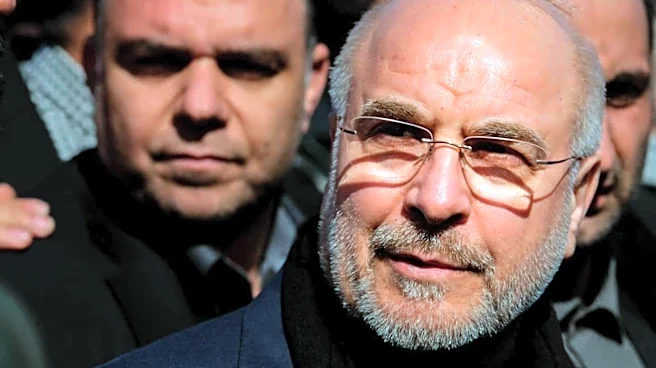

The United States has agreed to two key preconditions set by Iran ahead of planned negotiations in Islamabad. The development was confirmed by Iran’s Parliament Speaker Mohammad Bagher Ghalibaf, with further confirmation coming from Iran’s embassy in South Africa.
The acceptance of these terms is being seen as a significant moment, with Iran appearing to hold an advantage going into the talks.
What are the two key conditions?
Ghalibaf had earlier outlined two conditions that he said must be met before negotiations could begin.
The first is a ceasefire in Lebanon. The second is the release of Iran’s blocked financial assets before the start of formal discussions.
According to Ghalibaf, both conditions have now been accepted by the parties, although they are yet to be fully implemented.
Two of the measures mutually agreed upon between the parties have yet to be implemented: a ceasefire in Lebanon and the release of Iran’s blocked assets prior to the commencement of negotiations.
These two matters must be fulfilled before negotiations begin.
— محمدباقر قالیباف | MB Ghalibaf (@mb_ghalibaf) April 10, 2026
Iran team in Islamabad
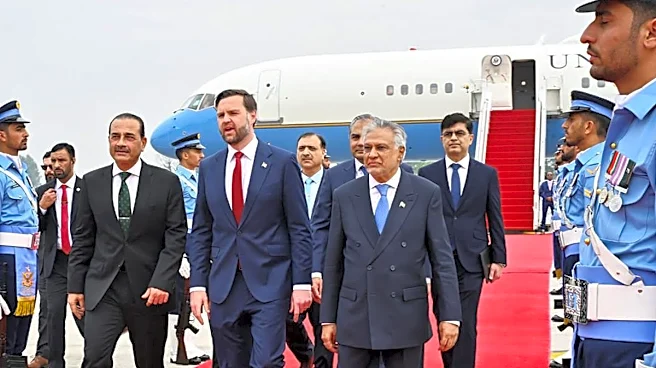
An Iranian delegation led by Ghalibaf arrived in Islamabad on Friday for the talks. Iranian media reported that negotiations would begin only after Washington accepted Tehran’s preconditions.
The preconditions have been accepted.
— Iran Embassy SA (@IraninSA) April 10, 2026
Ghalibaf reiterated that these measures were essential and had to be fulfilled before any formal engagement could take place.
Frozen assets in focus
One of the central issues is the release of Iran’s frozen assets held abroad due to US sanctions. Estimates of the total value vary.
The United Nations special rapporteur on unilateral coercive measures, Alena Douhan, had earlier placed the figure between $100 billion and $120 billion during a visit to Tehran in 2022.
The release of these funds is a major demand from Tehran and remains a key point in the negotiations.
Issues on the negotiation table
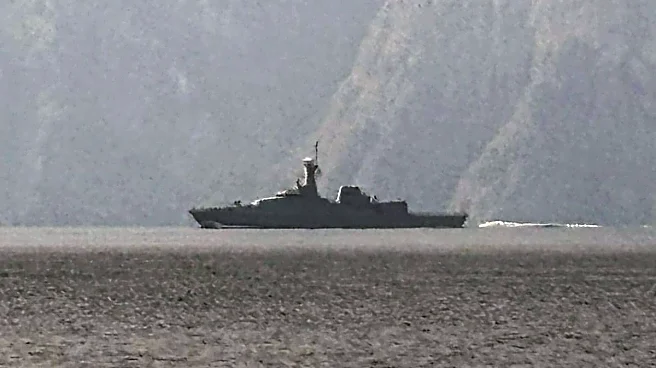
Officials say the Islamabad talks will cover several sensitive subjects. These include Iran’s nuclear enrichment programme and the free flow of trade through the Strait of Hormuz.
The strait is a critical route for global oil supplies, making its stability an important issue for both sides.
Tensions over ceasefire and Hormuz
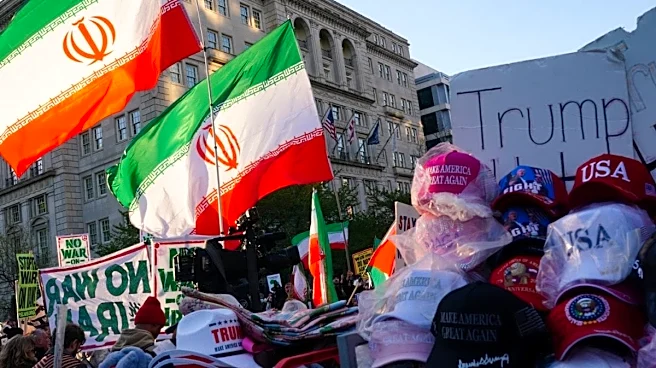
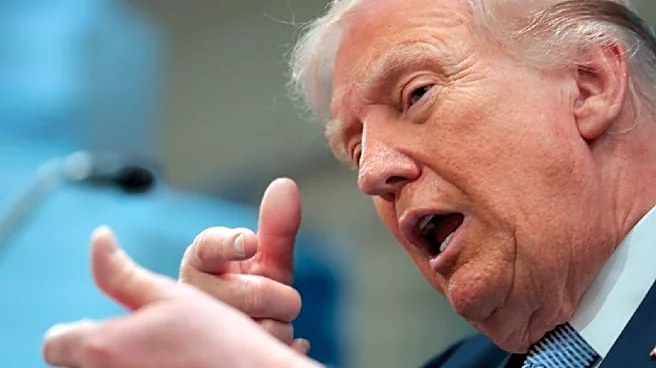
Since the ceasefire came into effect, differences have continued between the two sides. US President Donald Trump has expressed displeasure over Iran’s handling of the Strait of Hormuz, which was expected to reopen.
At the same time, Tehran has reacted strongly to Israeli attacks in Lebanon, insisting that the ceasefire agreement should include that front as well.
With the US accepting its preconditions, Iran enters the negotiations from a position of strength.

/images/ppid_59c68470-image-177606255939875475.webp)