

/images/ppid_a911dc6a-image-177727083287189011.webp)

I had planned a relaxed, week-long escape to Udaipur and Ahmedabad, hoping to enjoy the last stretch of pleasant weather before the annual heatwave set in. But the plan unravelled almost immediately. By the time I reached Udaipur in the second week of March, the sun was already unforgiving. The heat was so intense that stepping out during the day felt impossible. My entire itinerary collapsed, reduced to a brief hour by Lake Pichola in the evening. By the next morning, I had booked a train back to Delhi. The verdict was clear: summer had arrived far earlier than expected.
This isn’t just a one-off experience. Across north India, the idea that extreme summer begins in May is quickly becoming outdated. In recent years, scorching conditions have
started creeping into March and April. In Delhi, temperatures have already been hovering above 40°C, blurring the line between spring and peak summer.
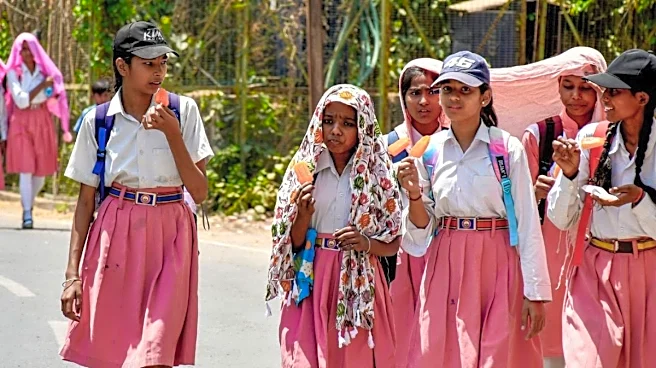
The intensity isn’t limited to one region. According to real-time global temperature rankings, India is currently home to an overwhelming majority of the world’s hottest cities. The impact is particularly severe on children, raising fresh concerns around school schedules. In northern states, summer vacations typically begin in mid-May and extend through June. But with temperatures spiking earlier, that calendar is starting to look increasingly out of sync with reality. In contrast, southern states begin their school holidays in April, wrapping up by late May — a schedule that now appears more aligned with the shifting climate.
Governments are beginning to respond, albeit gradually. Since 2022, at least 10 states have advanced summer holidays due to extreme heat conditions. Yet, the broader question remains: are we adapting fast enough to a climate that is no longer following the rules we once took for granted?
Read More |From UP To Maharashtra, State-Wise School Closures And Revised Timings Due To Heatwave
How Are States Reacting?
In view of the intensifying heatwave, several states have advanced their summer vacation schedules. Odisha, for instance, has ordered all schools to shut from April 27, continuing a trend of preponed summer holidays over the past two years.
While some states, such as Chhattisgarh, have opted for early vacations, others have adjusted school timings—starting classes earlier in the day and dispersing students before the peak afternoon heat.
Parents Worried For Kids’ Health
Pragati Ratti, whose three-year-old twins attend a pre-school in Gurugram, believes school vacations should be aligned with changing weather patterns. She voiced concern over the impact of extreme heat on young children, saying prolonged exposure raises serious health risks.
“The April heat has been extreme this year. Temperatures have been touching 42. The sun feels piercing even at 9 in the morning. Kids at age 3 can’t even communicate how hot they must be feeling. Even if classrooms have air-conditioners at some schools, you cannot have outdoor activities in such weather. In fact, coming out of those AC classrooms right into the severe heat is damaging for their health. The May end to July time table, in such a situation should change,” she said.
Teachers Raise Concerns About Calendar
Surbhi Sharma, a science teacher at a reputed school in New Delhi, is not in favour of advancing summer vacations. She argues that starting holidays earlier could also mean reopening schools sooner, when temperatures remain high.
“If vacations begin earlier, there is a likelihood that they may also end earlier. Schools would reopen during a period when high temperatures persist, which could result in greater discomfort for students and may affect their concentration, health and overall learning environment. Additionally, advancing the vacation could disrupt the established flow of the academic schedule and overall learning continuity,” she said.







/images/ppid_a911dc6a-image-177727204134084605.webp)





/images/ppid_a911dc6a-image-17772720281656765.webp)