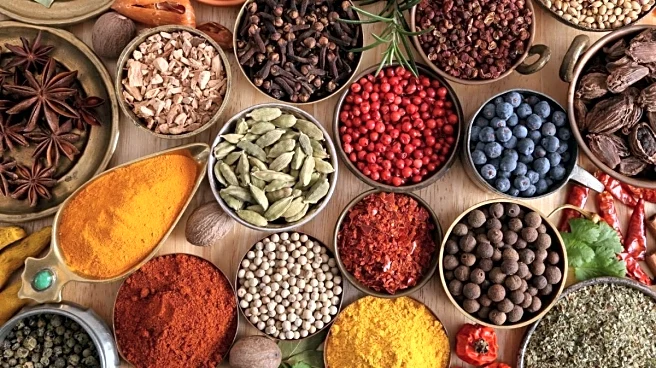

Before wellness powders, probiotics, and designer supplements filled our shelves, health often began with something far simpler – the spice box. In Indian kitchens, the ritual of tempering cumin in ghee
or adding ginger to tea was never just about flavour. It was preventive care, which is practised daily. Ayurveda views these small culinary gestures as powerful acts of nourishment, capable of strengthening digestion, supporting metabolism and restoring balance from within.
Where Food Meets Medicine
“In Ayurveda, the kitchen has always doubled as a pharmacy,” says Dr Anjali Sangar, Sarvagun Ayurveda, Delhi, explaining that spices are not mere add-ons but potent healing tools that influence how the body processes both food and energy. At the centre of this philosophy lies agni, the digestive fire that governs nutrient absorption and vitality.
Similarly, Dr Archana Batra, Dietitian and Certified Diabetes Educator, “Spices are far more than flavour enhancers as they are therapeutic tools that support digestion, metabolism and overall balance.” When chosen thoughtfully, she adds, they ignite and regulate digestion rather than overwhelm it.
Understanding Agni: The Digestive Fire
Ayurveda believes strong digestion is the foundation of health. When agni functions optimally, meals feel light, energy is steady, and toxins don’t accumulate. But stress, irregular eating and processed foods can weaken this fire, creating ama, or metabolic waste.
This is where spices step in as quiet correctives. Rather than acting aggressively, they work gently and consistently. As Dr Sangar explains, “Their role is to keep digestion steady and intelligent, rather than aggressive or depleted.”
The Everyday Spice Heroes
Many of these remedies are already sitting in your pantry.
Ginger, often described by Dr Sangar as universal medicine, stimulates sluggish digestion, reduces bloating and helps metabolise heavier foods. Dr Batra echoes its benefits, noting that it stimulates appetite and reduces bloating, making it ideal for slow gut days.
Cumin and coriander, which are staples in everyday cooking, aid enzyme secretion and ease gas formation. They support smoother gut motility without irritating the system. Fennel offers post-meal comfort, calming spasms and soothing acidity, while black pepper enhances nutrient absorption and clears digestive congestion.
Turmeric, perhaps the most globally celebrated, goes beyond its anti-inflammatory reputation. Traditionally, it supports liver function and detoxification, especially when paired with healthy fats and warming spices – a synergy Ayurveda has long understood.
The Art Of Intention, Not Intensity
What sets Ayurvedic spice use apart is restraint. Spices aren’t piled on for impact but used in precise, mindful quantities. “Ayurveda emphasises using spices in small, intentional quantities, tailored to an individual’s constitution,” says Dr Batra.
Dr Sangar adds, “These small interventions – a pinch here, a gentle tempering there – create lasting impact.” The goal isn’t heat or drama, but harmony.
Why Daily Cooking Beats Supplementation
Both experts agree that healing doesn’t require complicated regimens. Regular meals cooked with digestive spices can be more effective and sustainable than sporadic supplements. By weaving these ingredients into everyday food, the body receives steady, gentle support instead of short-term fixes.
In a world obsessed with quick solutions, Ayurveda proposes something refreshingly simple: better health may already be in your kitchen. A little ginger, a sprinkle of cumin, a dash of turmeric – when used mindfully – can transform daily meals into daily medicine. Sometimes, the most powerful remedies aren’t found in bottles, but in the rhythm of everyday cooking.





/images/ppid_a911dc6a-image-176985843817936846.webp)


/images/ppid_a911dc6a-image-176985763015710674.webp)
/images/ppid_59c68470-image-17698575285122215.webp)

/images/ppid_59c68470-image-17698575888731839.webp)
/images/ppid_59c68470-image-176985755855571623.webp)