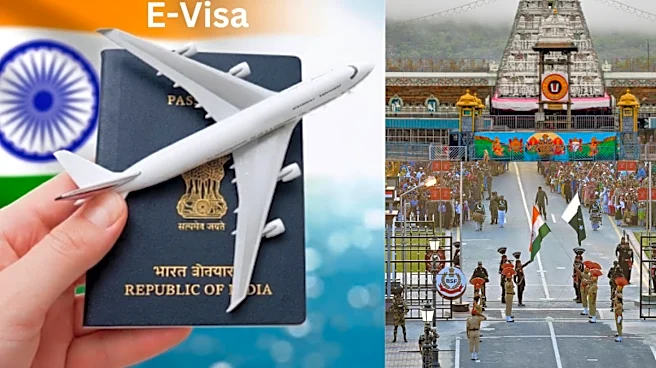




India has expanded its e-Visa entry network, giving eligible foreign travellers more ways to enter the country by air and land. The latest additions include Attari and Tirupati.
Effective from August 10, 2026, India added 11 new entry points for foreign travellers holding e-Visas. The expansion includes Raja Bhoj Airport in Bhopal and Tirupati International Airport, along with nine land ports: Agartala in Tripura, Darranga in Assam, Gede, Ghojadanga, Haridaspur and Jaigaon in West Bengal, Dawki in Meghalaya, Moreh in Manipur, and Attari in Punjab.
The total number of designated e-Visa entry points has now risen to 88, comprising 37 airports, 38 seaports and 13 land ports. Although the expansion does not change the eligibility or validity conditions
of individual e-visa categories. Travellers must still check the conditions of their specific e-visa and ensure that their intended point of entry is among the officially designated ports.
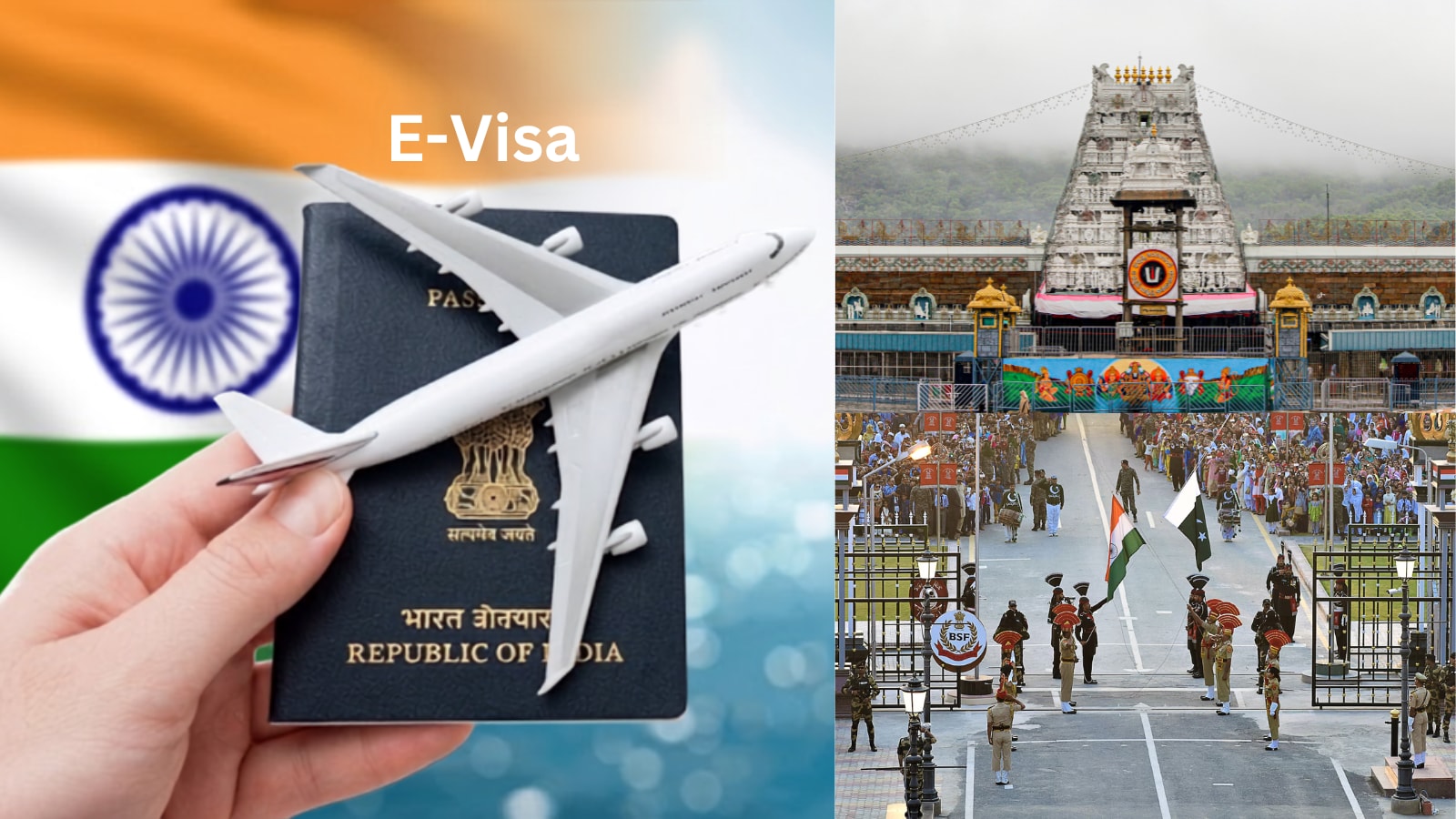

What Does the New e-Visa Expansion Mean for Foreign Travellers?
The move gives eligible international visitors greater flexibility when planning their arrival in India. Travellers can now potentially enter through more regional airports and land borders rather than relying only on major international gateways. The addition of land ports is particularly relevant for visitors combining India with trips to neighbouring countries.
Tirupati International Airport is among the two newly designated airports. The addition expands the e-Visa network to southern India, although the facility does not itself mean that international flight operations have begun at the airport. Foreign visitors will still need to arrive at nearby international airports such as Mumbai, Chennai, Hyderabad or Bengaluru and continue to Tirupati by road or domestic flight.
The nine newly designated land ports are Agartala in Tripura, Darranga in Assam, Gede, Ghojadanga, Haridaspur and Jaigaon in West Bengal, Dawki in Meghalaya, Moreh in Manipur and Attari in Punjab.
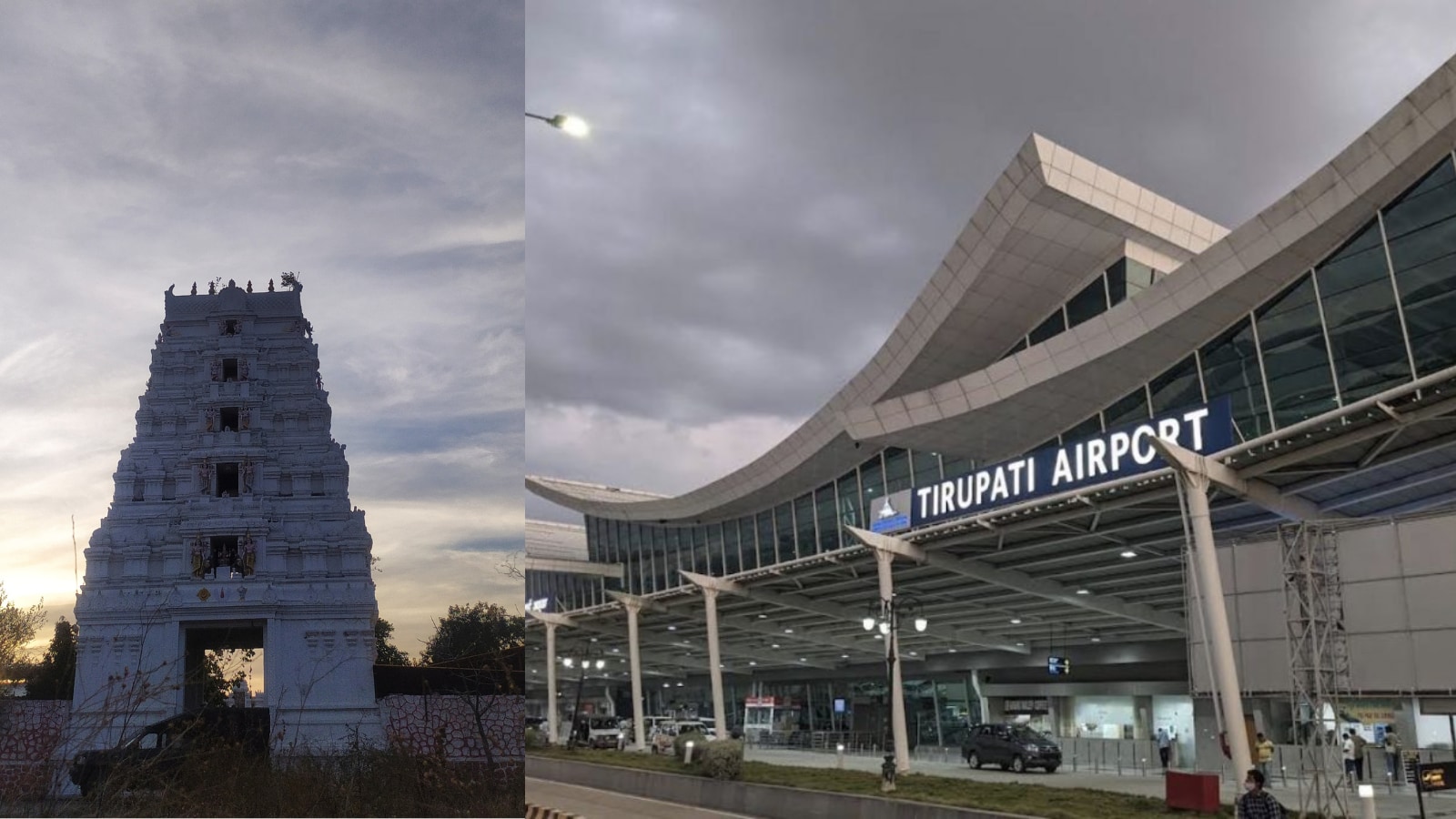
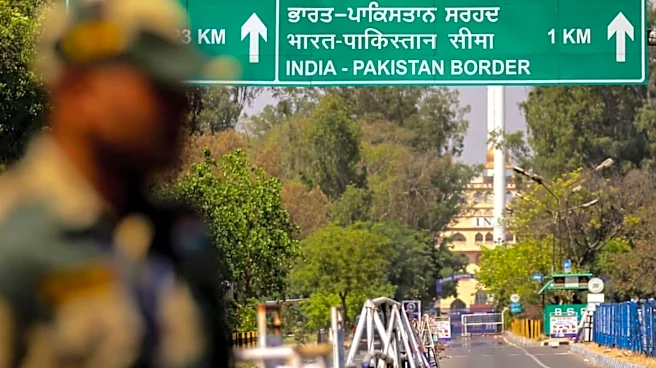
Attari, on the India-Pakistan border, is now part of the designated network for eligible e-visa holders. However, travellers holding Pakistani passports or those of Pakistani origin cannot use the e-visa facility and must apply for a regular visa through an Indian Mission.
Who Cannot Use E-Visa Services To Enter India?
Pakistani passport holders and travellers of Pakistani origin cannot use India’s e-Visa facility and must apply for a regular visa through an Indian Mission. Travellers should check their nationality and visa category before planning their journey.
The government has described the expansion as a means to facilitate legitimate international travel while strengthening technology-led border management, bringing airports, seaports, land borders and rail posts under a common framework linked to the Immigration and Foreigners Act, 2025.

/images/ppid_59c68470-image-178647255237243009.webp)