
/images/ppid_59c68470-image-178107761351984179.webp)
/images/ppid_59c68470-image-178107757602958455.webp)
/images/ppid_59c68470-image-178107753566180201.webp)
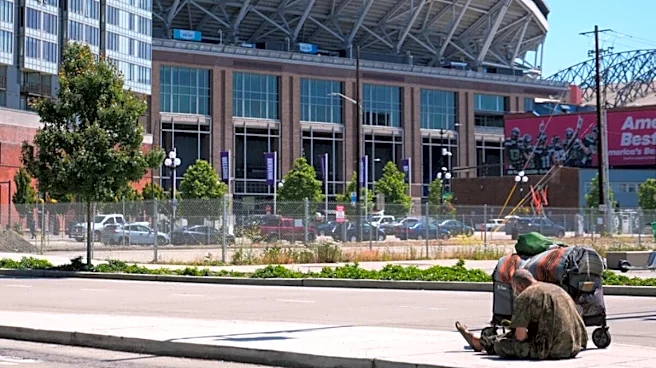
As the FIFA World Cup 2026 kicks off across North America, several host cities are using the global spotlight to accelerate efforts to address homelessness.
While some municipalities have launched targeted initiatives tied to the tournament, advocates warn that long-term solutions matter more than temporary measures designed simply to improve appearances during the event.
In Atlanta, officials have promoted the Downtown Rising initiative, a programme aimed at reducing street homelessness in the city centre. The effort is part of a broader strategy, backed by public and private funding, to move thousands of people into stable housing. Nearly 500 individuals have already been housed through the project, although many people continue to live on the streets
near shelters and service centres.
“These events provide a choice for communities,” Ann Oliva, CEO of the National Alliance to End Homelessness, was quoted saynig to Associated Press. “They can do the easy thing and sweep people out of encampments and into jails or other neighborhoods, or they can do the harder work that will benefit everyone in the community — housed or unhoused.”
One success story is Michael Sutton, who spent years moving between shelters, parks and abandoned buildings before securing an apartment through the programme.
“Everyone has rough days, and being able to go home or vent to yourself about it, relaxing in your own home … is priceless,” Sutton said.
Dallas has also reported significant progress, claiming an 87% reduction in the number of people sleeping on downtown streets after a major housing campaign.
“I can actually build something,” said Kacey Coker, who recently moved into a subsidised apartment after years of homelessness.
Seattle, meanwhile, has expanded shelter capacity with new tiny-home developments, although officials acknowledge they fell short of their ambitious pre-World Cup targets.
“The World Cup … provided just kind of a good goal post,” Mayor Katie Wilson said.
Cleaner Not Better?
Not everyone is convinced. Some homeless residents and advocates argue that increased security and encampment clearances are driven by a desire to present a cleaner image to visiting fans.
“They are catering to people from other countries but stepping on the people of their own city and province,” said Vancouver resident Francesca Crane. “What they’re doing is wrong.”
(With inputs from Agencies)









/images/ppid_a911dc6a-image-178107853229270622.webp)