
Asian cuisine didn’t merely trend in 2025, it fundamentally reshaped how diners across India and the world approached food. What began as curiosity evolved into commitment, as consumers moved beyond familiar
favourites to seek depth, regional authenticity, and cultural meaning. From Southeast Asian street food to Japanese omakase counters, from tea-led cocktails to ingredient-driven menus, Asian cuisine emerged as the defining culinary language of the year.
A Shift from Indulgence to Cultural Experience
Dining in 2025 marked a clear departure from excess toward balance and storytelling. Raju Dorjee, Chef de Cuisine, JW Marriott Hotel Bengaluru, observed that guests were no longer looking only for rich gravies and predictable flavours. Instead, they wanted meals that connected them to culture and craft.
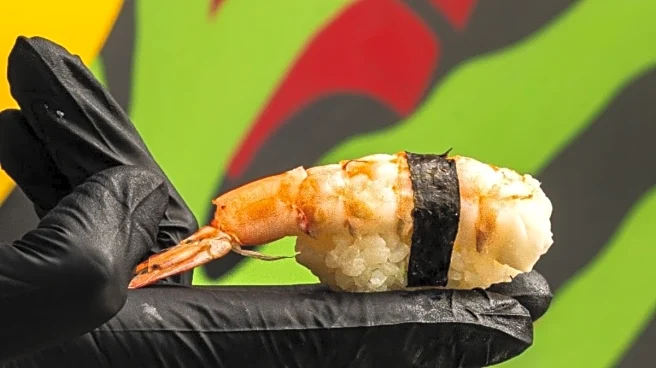
“To embrace this shift, we focused on lighter, healthier dishes, showcased regional Asian flavours, and introduced live experiences like omakase sushi counters, soup dumplings, and wok-led classics such as Singapore Chilli Crab and Beef Rendang,” says Chef Dorjee. At Uno Izakaya, even desserts evolved into live table experiences, adding theatre without compromising authenticity. Sustainability also played a role, with hyper-local sourcing, nose-to-tail cooking, and energy-efficient practices becoming integral to the kitchen philosophy.
This emphasis on balance, experience, and responsibility reflected a wider industry pivot—where flavour, culture, and conscience began to coexist.
Pop Culture and the Mainstreaming of Asian Flavours
Asian cuisine’s rise in 2025 was also fuelled by pop culture. Executive Chef Ho Chi Ming of Renaissance Bengaluru Race Course Hotel notes that K-pop, anime, and Asian television dramas played a significant role in shaping consumer interest.
“Asian cuisine offers bold, complex flavours, spice, umami, and freshness which appeal strongly to younger, more adventurous diners,” he explains. This influence helped Asian food span formats, from fast-casual concepts to fine dining restaurants. Menus increasingly featured Asian dishes or Asian-inspired innovations, while beverages began incorporating ingredients and techniques from across the region. Southeast Asia, Chef Ming adds, has firmly established itself as a global food capital, with even street vendors earning Michelin recognition.
Beyond Familiar Flavours: The Demand for Regional Authenticity
If early adoption was driven by popularity, 2025 was defined by depth. Chef Ujjain, Corporate Chef at Foodsta Kitchens, witnessed diners moving decisively beyond generic “Asian” labels.
“Consumers were no longer satisfied with familiar Chinese or Sichuan flavours. They wanted Malaysian laksa, Singaporean street food, Japanese and Korean ramen culture,” he says. Comfort came in the form of steaming bowls, while curiosity extended to ingredient-led drinks and tea-based beverages.
What truly stood out, Chef Ujjain notes, was the appetite for education. Diners wanted to understand the why behind flavours, the stories, techniques, and traditions. “Asian cuisine’s success in 2025 wasn’t about fusion. It was about respect for authenticity and celebration of diversity.”
Asian Cuisine as a Language, Not a Trend
This evolution is why many industry leaders now see Asian cuisine as a framework rather than a fad. Priyesh Busetty, Co-founder, Yuki, describes 2025 as the year diners sought both comfort and discovery.
“Dishes like Larb Gai or Malaysian Kampung rice resonated because they carried honest, regional flavours,” he explains. At the same time, lighter, ingredient-led plates and modern interpretations found acceptance without gimmicks. Dining spaces, too, became more experiential, with calm, design-led environments and growing interest in tea-led cocktails such as Geisha’s Garden and Fig and Cheese Old Fashioned.
“For us, 2025 proved Asian cuisine is no longer a trend, it’s a language people understand and enjoy,” says Busetty.
Interactive Dining and Indo-Asian Innovation
Asian cuisine’s versatility also encouraged innovation. Chandan Kumar, F&B Director, Radisson Blu Hotel, Bengaluru Outer Ring Road, highlights how formats like Teppanyaki brought interactivity and theatre to the table.
“Diners value freshness, regional nuance, and wellness-driven preparation,” he notes. Asian food also lends itself naturally to fusion. At Shao, Indo-Asian dishes blend classic Asian ingredients with Indian spices, creating harmonious, aromatic plates that celebrate both traditions without dilution.
The Year Asian Cuisine Redefined Dining
By the end of 2025, Asian cuisine had gone beyond popularity to redefine how people chose to eat, prioritising balance over excess, authenticity over approximation, and experience over spectacle. Through regional exploration, thoughtful sustainability, interactive dining, and tea-led beverage programs, Asian food didn’t just influence menus, it reshaped mindsets.
And as the year made clear, this wasn’t a passing phase. It was a lasting shift in how flavour, culture, and dining experiences are understood.






/images/ppid_a911dc6a-image-177092774715746114.webp)

/images/ppid_a911dc6a-image-177092767520012684.webp)
/images/ppid_a911dc6a-image-177092763347449403.webp)
/images/ppid_a911dc6a-image-177092652580356823.webp)