
/images/ppid_a911dc6a-image-17765124327621539.webp)
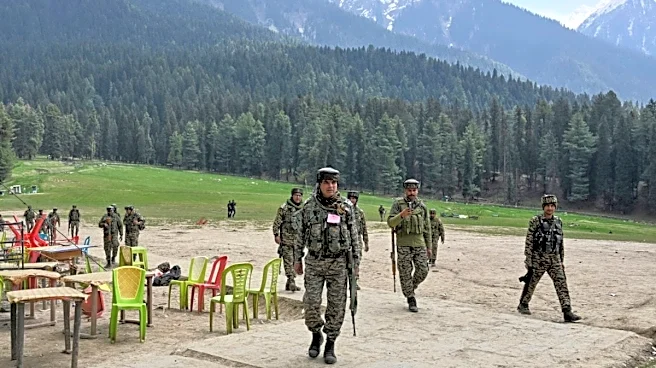
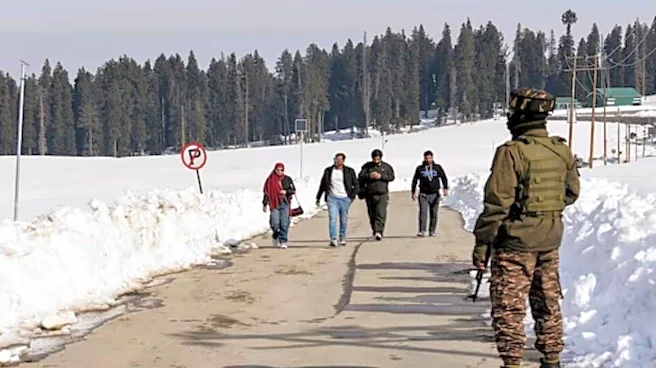
The mist over the Lidder River feels different this April. One year after the attack that sent shockwaves through the Himalayas, the tourist circuit in Jammu and Kashmir is finally, in very simple terms, limping back to life. But the scars of 2025 are visible—not just in the heightened security, but in the data.
Between May 2025 and April 2026, Pahalgam recorded approximately 4.51 lakh domestic tourists. While for any other destination, any other year, this might seem like a success, for J&K it represents a staggering 65% to 70% drop from the usual 1.5 million annual visitors. The valley is still trying to survive, with nerves of steel.
The Local Pulse: Resilience In The Driver’s Seat
For those whose kitchens depend on the arrival of the “outsider,” the year has been one of survival. Md Ashu
Darr, a local cab operator from Sonamarg, talks about the changes post 2025 Pahalgam Attack. “Things are not entirely the way they were, but they have certainly picked up,” he says. “Tours to Sonamarg and Pahalgam are being booked again. Last year was tough for every one of us, but the circuit has started moving again. However, for most people, the business has been affected in way that’ll take long to recover, it seems.”
For others, the recovery is hampered by red tape and restricted zones. In Aharbal, where the famous waterfall usually draws thousands, the mood is grimmer. Reports quote local drivers talking about the effects of keeping popular sites off-limits to visitors.
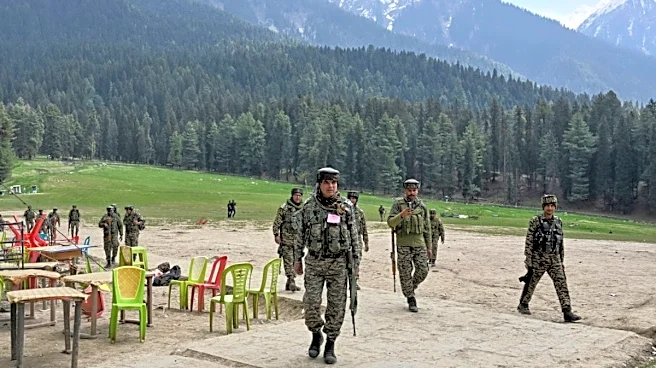
The biggest hurdle to Pahalgam’s full recovery remains its most famous attraction: Baisaran Valley. Known as “Mini Switzerland,” the meadow has been largely off-limits since the attack. “Our work has reduced to around 60 per cent,” Hindu Businessline quotes Gulzar Ahmad, vice president, Taxi Stand Number 1. The stand has a fleet of around 600 cabs, while another facility in the area, Taxi Stand No. 1, has about 250 vehicles.
Every traveller to the valley wants to visit the meadows. When they hear that it is still closed, they feel disappointed. This closure has a direct financial impact; according to NDTV Profit, a ponywala now makes only ₹500 to ₹600 a day, a fraction of their peak-season earnings.
Faith As A Shield: The Amarnath Spirit
While leisure tourism struggled, the spiritual pulse of the Valley remained a symbol of defiance. Ravi Dutt, a retired school teacher who ran a bhandara (community kitchen) during the 2025 Amarnath Yatra, witnessed this firsthand.
“It was courageous and reassuring to see people come back to the valley,” Dutt recalls. “Lakhs of people made their way from Baltal and Pahalgam for the sacred trip. I do it every year, and people were adamant that they wouldn’t let this affect their annual pilgrimage or their love for Kashmir.”
To bridge the trust gap, the J&K administration has also rolled out a new QR code-based identification system. This system isn’t just for hotels but covers every ponywala, hawker, and outside vendor. Tourists can scan a provider’s code to verify their identity and its aim is to prevent unauthorised persons from entering tourist hubs.
Some believe there is light at the end of the tunnel. Chief Minister Omar Abdullah told the J&K Assembly on February 19 that the administration plans to reopen all 48 sites by May 2026. While 41 have already been reopened in phases, the remaining seven—including sensitive spots like Baisaran—depend on final security assessments.
Also Read: Our Tribute To Pahalgam
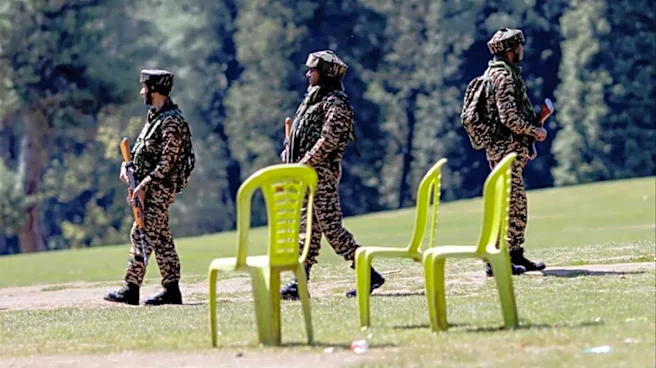
As the Valley prepares for the summer surge, the focus remains on “comprehensive security protocols.” For the locals, the hope is that by the time the snow melts fully, the “Mini Switzerland” they love will once again be open to the world.


/images/ppid_a911dc6a-image-177666586975777938.webp)

/images/ppid_a911dc6a-image-177667109435894517.webp)
/images/ppid_a911dc6a-image-177668414091285715.webp)