
/images/ppid_59c68470-image-177863757459798867.webp)


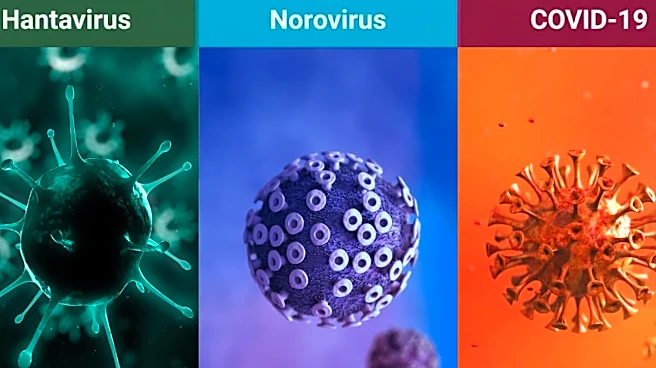
Over the past few years, the world has become unusually familiar with the language of outbreaks, infections and viral spread. Yet as headlines continue to mention everything from COVID-19 surges to norovirus outbreaks on cruise ships and growing concern around hantavirus exposure, many people are left asking the same question: how exactly are these viruses different?
While all three illnesses are caused by viruses and can initially appear with flu-like symptoms, the way they spread, affect the body and become dangerous varies significantly.
The latest concern around hantavirus has drawn global attention after health experts warned that climate-related environmental changes may be increasing human exposure to rodents carrying the virus. Meanwhile,
norovirus continues to trigger outbreaks in crowded environments such as cruise ships, schools and care homes, while COVID-19 remains part of everyday public health monitoring worldwide.
So how do you tell them apart?
Norovirus: The Stomach Bug
Norovirus is a highly contagious gastrointestinal virus best known for causing sudden outbreaks of vomiting and diarrhoea, particularly in confined spaces like cruise ships, schools and care homes.
Common symptoms include vomiting, diarrhoea, stomach cramps, nausea and sometimes low-grade fever or headache. Symptoms usually appear within 12 to 48 hours of exposure and typically resolve within one to three days. It spreads easily through contaminated food, water, surfaces and person-to-person contact.

While extremely unpleasant and dehydrating, norovirus is rarely fatal in healthy individuals. The main risk is severe dehydration, particularly in young children, the elderly and those with weakened immune systems. There is no specific vaccine or treatment hydration and rest are the mainstays of care.
Recent outbreaks aboard cruise ships, including reports linked to the Ambassador cruise ship, once again highlighted how rapidly norovirus can spread in enclosed environments.
Although norovirus can make people feel severely unwell for a short period, most healthy individuals recover within a few days. The biggest risk comes from dehydration, particularly among young children, older adults and people with weakened immune systems.
COVID-19: The Respiratory Familiar
COVID-19, caused by the SARS-CoV-2 virus, remains a global presence. It spreads primarily through respiratory droplets and aerosols via close human contact.
Typical symptoms include fever, cough, sore throat, fatigue, loss of smell or taste, and breathing difficulties. Incubation is usually 2–14 days. While many cases are mild, it can lead to severe pneumonia, especially in older adults or those with underlying health conditions.
Vaccines and antivirals have significantly reduced its lethality. Mortality rates now vary but are generally low (often under 1% in vaccinated populations), though long-term effects like Long COVID remain a concern for some.
Unlike norovirus, COVID can lead to long-term complications known as Long COVID in some patients. Severe infections may also affect the lungs, heart and neurological system.
Hantavirus: The Rodent-Borne Threat
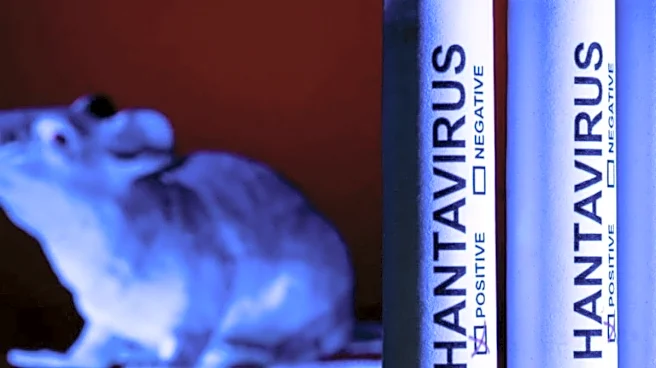
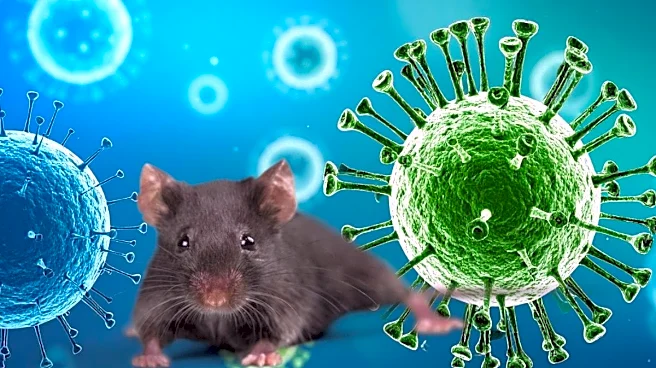
Hantavirus is a rarer but more severe zoonotic virus transmitted mainly through contact with infected rodents’ urine, droppings or saliva often by inhaling aerosolised particles in rural or forested areas. Human-to-human transmission is very limited and mostly associated with specific strains like Andes virus in South America.
Early symptoms mimic the flu: fever, muscle aches (especially in large muscles), fatigue, headache and dizziness. It can rapidly progress to Hantavirus Pulmonary Syndrome (HPS), causing severe breathing problems and fluid buildup in the lungs. Incubation period is longer usually 1 to 8 weeks.
Mortality for severe HPS cases is significantly higher, around 30–40%, making it far deadlier on a per-case basis than current COVID-19 strains, though overall numbers remain low due to limited spread.
Unlike COVID-19 or norovirus, hantavirus is not considered easily transmissible from person to person in most cases. According to experts quoted in The Guardian, environmental disruption and global heating may be increasing interactions between humans and rodent populations, potentially raising exposure risks.
What makes hantavirus particularly alarming is its relatively high fatality rate compared to many common viral infections, even though cases remain rare.
Which Virus Is More Dangerous?
There is no simple answer because risk depends on factors such as age, immunity, underlying health conditions and access to medical care.
Hantavirus is generally considered more lethal on a case-by-case basis due to its high mortality rate, but infections remain comparatively rare. Norovirus spreads far more easily but is usually short-lived and less deadly in healthy populations. COVID sits somewhere in between: highly transmissible with the potential for both mild infections and severe systemic complications.
How To Reduce Risk Of Infection?
Despite their differences, prevention strategies overlap in important ways.
For hantavirus, experts recommend avoiding contact with rodents and ensuring enclosed areas are properly ventilated before cleaning. For norovirus, strict handwashing and surface disinfection remain crucial because alcohol sanitisers may not fully eliminate the virus. COVID prevention continues to include good ventilation, hygiene and staying cautious in crowded indoor spaces during outbreaks.
/images/ppid_a911dc6a-image-177877283152725613.webp)


/images/ppid_a911dc6a-image-177872802887788853.webp)
/images/ppid_59c68470-image-177883006175310283.webp)