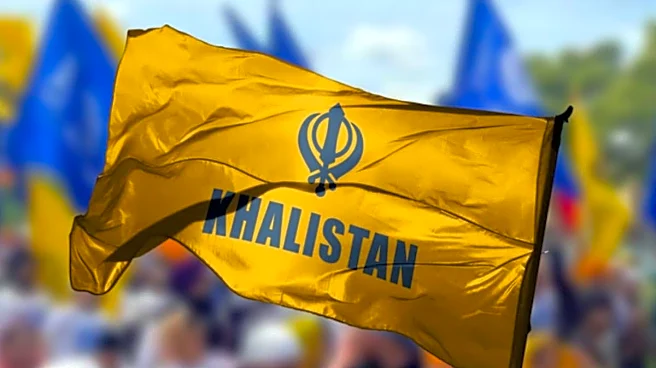




New Zealand’s Immigration and Protection Tribunal has rejected all 40 published asylum cases linked to Khalistan that were decided during 2025 and 2026 so far, according to tribunal rulings. The tribunal rejected 15 such cases in 2025 and a further 25 cases in 2026, with applicants required to demonstrate an individualised risk of persecution rather than relying solely on political or separatist sympathies. The rulings follow two cases in 2024 in which asylum claims involving high-profile online advocacy and sustained separatist activity were granted. In subsequent decisions, the tribunal has held that activities including voting in a non-bindingKhalistan referendum in Auckland, attending protests outside the Indian High Commission in Wellington,
or expressing general support for Khalistan do not, by themselves, establish refugee status. The tribunal has emphasised that applicants must establish that Indian authorities are aware of their activities and that they face a genuine and individual risk of persecution. Indian intelligence sources have separately alleged that pro-Khalistan networks operating in the diaspora have used promises of visas and employment, including jobs in truck driving, plumbing and religious work, to recruit young men from Punjab. According to the sources, recruits were subsequently expected to participate in anti-India demonstrations and gatherings associated with pro-Khalistan groups. The sources have also alleged that fabricated letters identifying applicants as party workers and claiming religious persecution were provided to support asylum applications, with such documents allegedly being sold for Rs 1-2 lakh. Indian intelligence assessments have further alleged links between pro-Khalistan networks and narcotics trafficking in New Zealand and other countries. One case cited by Indian sources involves Baltej Singh, described as the nephew of former Indian prime minister Indira Gandhi’s assassin Satwant Singh. Baltej Singh was sentenced to 22 years in New Zealand in connection with a major methamphetamine trafficking operation. Indian sources have alleged that proceeds from the operation were used to support anti-India and pro-Khalistan rallies in Auckland. Top Indian intelligence sources have also alleged growing cooperation between Pakistan’s Inter-Services Intelligence (ISI) andpro-Khalistan networks in Western countries, involving funding, narcotics trafficking, propaganda and the use of asylum and legal processes. The allegations regarding recruitment, fabricated documents, narcotics trafficking and ISI links are claims made by Indian intelligence sources and have not been independently established in the tribunal rulings cited above. The tribunal decisions indicate that support for Khalistan or participation in related political activity, without evidence of a specific and credible risk of persecution, is insufficient on its own to establish refugee status.