
/images/ppid_59c68470-image-178921002244769700.webp)
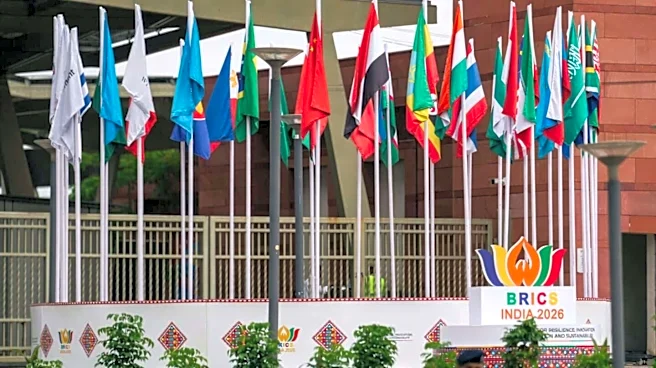
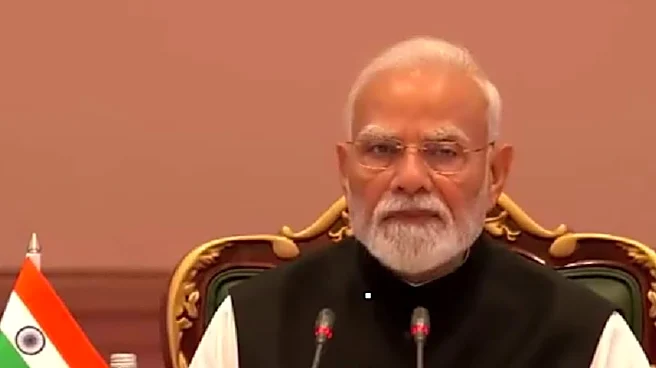
Prime Minister Narendra Modi had a power-packed schedule at the high-profile BRICS Summit in Delhi’s Bharat Mandapam, which concluded on Sunday with the New Delhi Declaration 2026, marking a major diplomatic victory for India.
The Prime Minister held bilateral meetings with leaders of at least 15 countries, including Russian President Vladimir Putin, Chinese President Xi Jinping and Iran’s Masoud Pezeshkian, maintaining a delicate balance between India’s relations with key partners and those with the West.
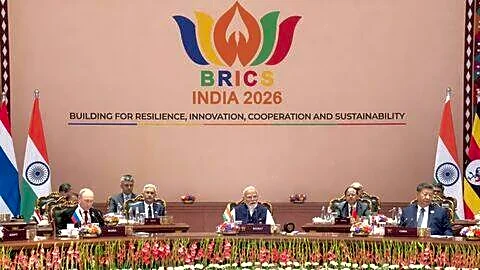
He also convened the BRICS Business Forum and the 18th BRICS Summit, where he called for stronger Global South ties and global institutional reform. He also proposed several initiatives to strengthen cooperation among BRICS nations and benefit
developing countries.
Day 1: Modi’s Meeting With Putin, Pezeshkian
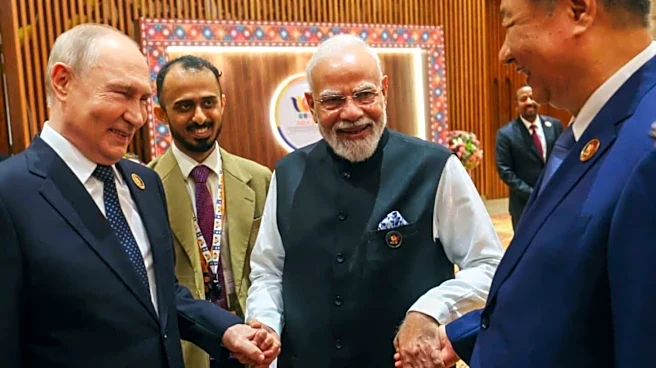
On September 11, PM Modi held a bilateral meeting with Russian President Vladimir Putin at Bharat Mandapam, as the Ukraine war continued to shape Moscow’s relations with the West. They held wide-ranging discussions on India-Russia ties, including strategies to take annual bilateral trade to $100 billion by 2030. The discussions also covered cooperation in defence, energy and fertiliser security.
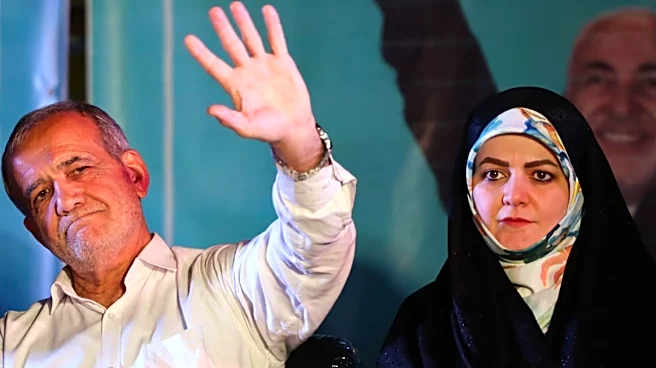
Hours later, he met Iranian President Masoud Pezeshkian at Bharat Mandapam, their second meeting in two weeks. The PM reiterated India’s consistent position that all issues in the West Asia region must be resolved through dialogue and diplomacy. He also raised the issues of freedom of navigation and safety of seafarers in the region. Pezeshkian also sought a greater diplomatic role for India amid the conflict.
The Prime Minister held a bilateral meeting with UN Secretary-General Antonio Guterres, who congratulated him for India’s chairmanship of BRICS. Both leaders underscored the significance of multipolarity and the need to reform multilateral institutions, including the UN Security Council.
PM Modi also addressed the BRICS Business Forum, where he underlined the growing strength of the bloc in global innovation, trade and economic cooperation. said India had made resilience and innovation the foundation of its economic and trade policies against the backdrop of international conflicts.
Day 2: All Eyes On Xi-Modi
Prime Minister Modi welcomed Chinese President Xi Jinping, who embarked on his first visit to India after seven years amid a thaw in diplomatic relations. The BRICS Summit also formally began on Saturday, with global governance, multilateralism, economic cooperation and the future of the expanded BRICS grouping being key issues.
Addressing the opening session of the BRICS Summit, PM Modi underlined that the group was not against any country or group, and called for greater cooperation at a time when the Global South is going through difficult times. He also called for reform in global governance institutions, along with matters related to maritime security and the safety of seafarers.
The Prime Minister held a closely watched bilateral meeting with Xi, where he affirmed that India was ready for a “meaningful dialogue” with China on matters related to border security and trade. Xi also stressed that India and China can learn from each other’s strengths and called for both countries to play a larger role on the global stage. Both sides reaffirmed that both countries should take a strategic and long-term perspective of their ties and differences should not become disputes.
Apart from Xi, PM Modi also held bilateral meetings with his Ethiopian counterpart Abiy Ahmed Ali, Malaysia’s Anwar Ibrahim, UAE Crown Prince Khaled bin Mohamed bin Zayed Al Nahyan and Vietnam’s Le Minh Hung to deepen defence, energy and trade cooperation.
Day 3: BRICS Summit Concludes
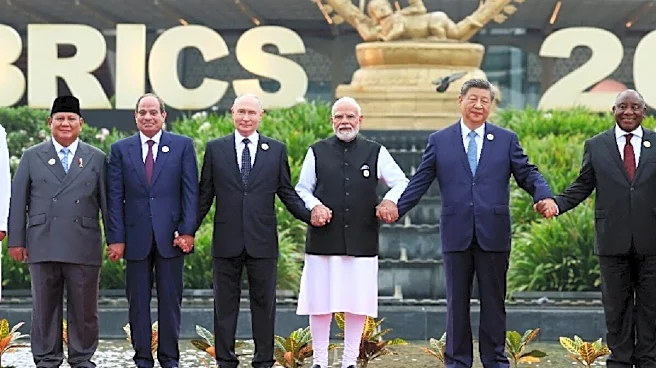
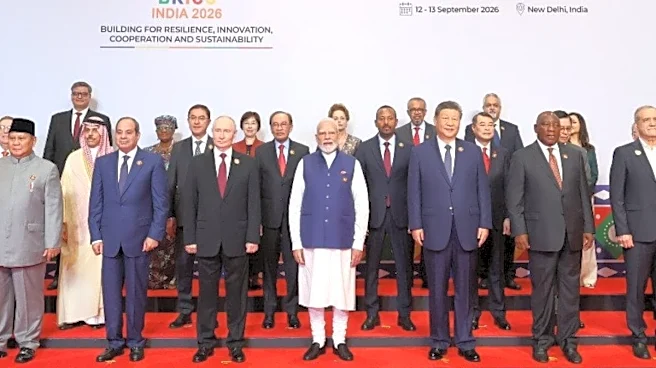
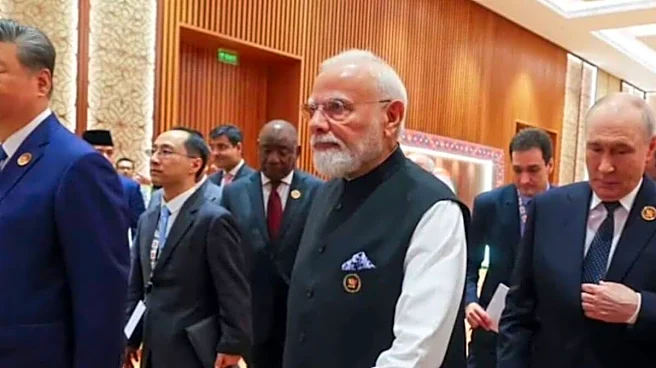
The Prime Minister formally announced the conclusion of the BRICS Summit, having achieved full consensus for the New Delhi Declaration 2026 despite tensions between Iran and the UAE. He was flanked by Putin and Xi in the BRICS family photo, calling it a powerful reflection of the growing strength and global resonance of the BRICS family.
PM Modi also held meetings with Indonesian President Prabowo Subianto, South African President Cyril Ramaphosa and Egypt’s Abdel Fattah El-Sisi as other leaders departed from India.
/images/ppid_59c68470-image-178931002597518485.webp)