
/images/ppid_59c68470-image-176994502354269672.webp)
/images/ppid_a911dc6a-image-176994483076242116.webp)
/images/ppid_a911dc6a-image-176994487119336478.webp)
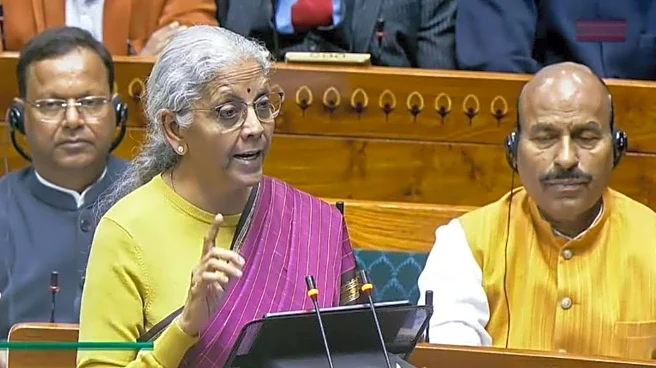
If you are an Indian who loves to travel, the Union Budget 2026 brings you all the good news you needed. Presented by Finance Minister Nirmala Sitharaman, Budget 2026 sets out a bold and wide-ranging agenda for tourism, one that speaks directly to the hearts of those who love to explore, whether domestically or internationally.
With focus on culture, employment and economic growth, the announcements paint a promising future of more accessible, richer and better-supported travel experiences across India and beyond.
Nishant Pitti, Founder & Chairman, EaseMyTrip, said, “The Union Budget gives a strong and positive push to the travel and tourism sector by recognising it as a key driver of employment and economic growth. The focus on destination development,
tourism infrastructure, digital mapping of tourist sites, and skill development will significantly boost both domestic and inbound tourism. The reduction in TCS on overseas tour packages to 2% is a welcome move and will help revive outbound travel demand. Overall, the budget lays a solid foundation for building India as a global tourism hub.”
Cheaper Overseas Travel
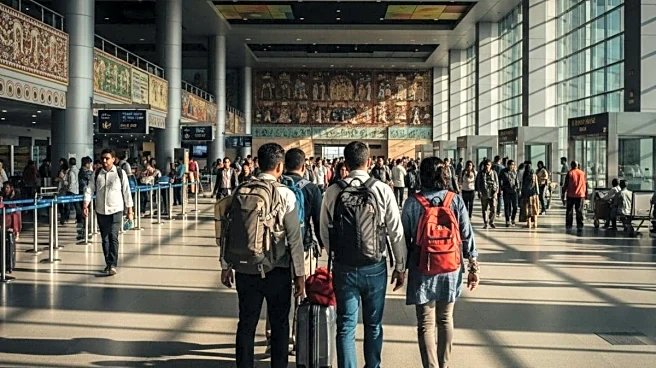
One of the most tangible wins for Indian globetrotters is the reduction of Tax Collected at Source (TCS) to 2 per cent on foreign tour packages from the earlier 5 per cent and 20 per cent. This cut eases upfront costs on international travel bookings for many travellers planning trips abroad — a move welcomed by tour operators and travel enthusiasts alike.
Heritage Gets a Major Makeover
Heritage — one of India’s most magnetic travel draws — gets centre stage in Budget 2026. The government will transform 15 archaeological sites into vibrant, experience-based cultural destinations, boosting their global appeal and visitor appeal. These are spread across the country, from Lothal and Dholavira in Gujarat, to Sarnath and Hastinapur in Uttar Pradesh, and even Leh Palace in the north — showcasing India’s diverse civilisations and histories.
This initiative isn’t just about preservation — it’s about turning heritage into living, engaging destinations that tell India’s story to the world.
Nature, Trails, and Eco-Tourism
From mountain trails in Himachal Pradesh, Uttarakhand and Jammu & Kashmir to new routes like Araku Valley or Pudigai Malai, the Budget emphasises sustainable and adventure tourism. These trails promise safer, greener, more organised trekking and hiking experiences, highlighting India’s unparalleled natural diversity.
Buddhist Circuits and North-East Boost
In a noteworthy cultural and spiritual tourism push, the Budget also focuses on the development of Buddhist circuits across several North-Eastern states. These circuits — spanning Sikkim, Assam, Manipur, Mizoram, Tripura and Arunachal Pradesh — will combine heritage preservation with connectivity and infrastructure, tapping into the region’s rich Buddhist traditions.
For travellers interested in religious, cultural or immersive journeys, this will elevate the North-East as a must-visit destination and strengthen India’s global spiritual tourism footprint.
Skills and Service: Tourism’s Human Face
A new pilot programme to train 10,000 tourist guides will roll out across 20 key sites, with professionals gaining enhanced skills in storytelling, heritage knowledge, visitor management and communication — often in collaboration with institutions like the Indian Institutes of Management (IIMs).
To support broader industry professionalism, the Budget also proposes establishing a National Institute of Hospitality to set standards for hospitality skills, quality service and global competitiveness.
Digital and Destination Infrastructure
The future of travel is as much digital as it is physical. A Digital Knowledge Grid for tourism will digitally document and connect information on destinations, heritage assets, guides, services and experiences across India. This is set to help travellers plan better trips, discover new places, and benefit local communities involved in digital content creation and destination marketing.
Better Connectivity and Regional Hubs
To improve access to remote destinations, the Budget includes incentives for indigenised seaplane manufacturing — a significant boost to last-mile connectivity for tourism hotspots.
Additionally, five regional medical tourism hubs — combining AYUSH, post-treatment care and facilitation centres — aim to make India a competitive global health and wellness destination.
/images/ppid_a911dc6a-image-176994652799396215.webp)







/images/ppid_a911dc6a-image-176994543616533491.webp)