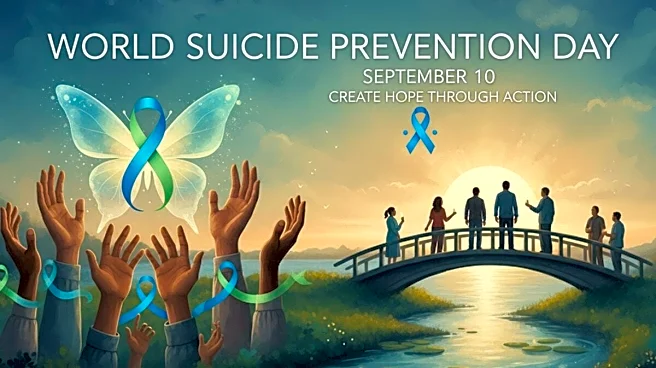




World Suicide Prevention Day, observed every year on September 10, is a global awareness day dedicated to suicide prevention, mental health awareness and compassionate support. In 2026, the observance continues the International Association for Suicide Prevention’s three-year campaign theme “Changing the Narrative on Suicide,” with the call to action “Start the Conversation.”
The day encourages people to replace silence and stigma with empathy, openness and connection. Recognising warning signs can help people respond early and guide someone towards professional support and care. It is also a reminder that asking directly about suicidal thoughts does not create them, but can open a door to help.
World Suicide Prevention Day 2026 Theme
The theme for World Suicide Prevention Day 2026,
observed on September 10, is “Changing the Narrative on Suicide”, with the call to action “Start the Conversation.”
The International Association for Suicide Prevention (IASP) says the theme covers 2024–2026, making 2026 the third and final year of the campaign. It seeks to move conversations about suicide away from silence, stigma and misunderstanding towards openness, empathy and support.
The campaign encourages individuals, communities, organisations and governments to have open and honest conversations about suicide and suicidal behaviour. The broader goal is to build supportive environments where people feel able to seek help and where suicide prevention remains a public-health priority.
What Does “Start the Conversation” Mean?
“Start the Conversation” is a reminder that checking in with someone who may be struggling can be an important first step.
A supportive conversation does not require having all the answers. It can begin with a simple question such as, “How are you really feeling?” or “I’ve noticed you seem to be having a difficult time. Would you like to talk?”
Listen calmly, avoid judgement and encourage the person to connect with a mental-health professional or another trusted source of support. If there is an immediate danger, seek emergency assistance rather than leaving the person alone.
IASP emphasises that talking openly and compassionately about suicide can help challenge stigma and create greater understanding and support.
Suicide Warning Signs: What to Look Out For
Warning signs can vary from person to person. They may include noticeable changes in behaviour, mood or communication, particularly when several signs appear together or represent a significant change from the person’s usual behaviour.
Some signs that may warrant concern include:
- Talking about feeling hopeless, trapped, helpless or like a burden.
- Talking about death or suicide, including statements suggesting they may not want to be alive.
- Withdrawing from family, friends, colleagues or activities they previously enjoyed.
- Significant changes in mood, behaviour, sleep or everyday functioning.
- Giving away possessions or saying goodbye in an unusual or concerning way.
- Increased use of alcohol or drugs alongside emotional distress.
- Expressing overwhelming emotional pain or saying they cannot cope.
- Suddenly becoming unusually calm after a period of severe distress.
A warning sign does not automatically mean someone will attempt suicide. However, noticeable changes combined with expressions of hopelessness or suicidal thoughts should be taken seriously.
How Can You Help Someone Who May Be Struggling?
If you are worried about someone, approach them with care and without judgement.
- Ask and listen: Give them an opportunity to talk about what they are experiencing.
- Take them seriously: Do not dismiss expressions of hopelessness or suicidal thoughts.
- Stay connected: Let them know they do not have to face the situation alone.
- Encourage professional help: Support them in contacting a mental-health professional or helpline.
- Act during an emergency: If someone appears to be in immediate danger, contact emergency services or take them to the nearest emergency medical facility.
- Continue checking in: Ongoing connection and practical support can matter beyond the initial conversation.
If someone tells you they are thinking about suicide, avoid promising to keep it secret. Focus on immediate safety and helping them reach appropriate support.
World Suicide Prevention Day 2026 Helpline Numbers in India
National mental-health support: India’s Ministry of Health and Family Welfare operates Tele-MANAS, which provides 24×7 tele-mental-health services. The official numbers are 14416 and 1800-89-14416.
- Aasra: Mumbai – 022-27546669
- Sneha: Chennai – 044-24640050
- Sumaitri: Delhi- 011-23389090
- Cooj Goa – 0832-2252525
- Jeevan: Jamshedpur – 0657-6453841
- Pratheeksha: Kochi – 0484-2448830
- Maithri: Kochi – 0484-2540530
- Roshni: Hyderabad – 040-66202000
- Lifeline: Kolkata – 033-64643267
In an immediate life-threatening emergency, seek urgent medical or emergency assistance.
Why Conversations About Suicide Matter
Suicide prevention is not only about responding to a crisis. It also involves reducing stigma, improving access to mental-health care, strengthening social connections and creating environments where people feel comfortable asking for help.
IASP’s 2026 campaign encourages people to carry the conversation beyond September 10 and make suicide prevention part of everyday life. It highlights connection, collaboration and collective action as important elements of changing the narrative.
A compassionate conversation can start small: checking on a friend, listening without judgement, encouraging professional support or simply letting someone know that their feelings deserve to be heard.
The message of World Suicide Prevention Day 2026 is simple: start the conversation, listen with compassion and help people connect with support.
If you or someone you know is struggling with suicidal thoughts, reach out to a mental-health professional or helpline. You do not have to handle a crisis alone.








/images/ppid_59c68470-image-178892752778714521.webp)

