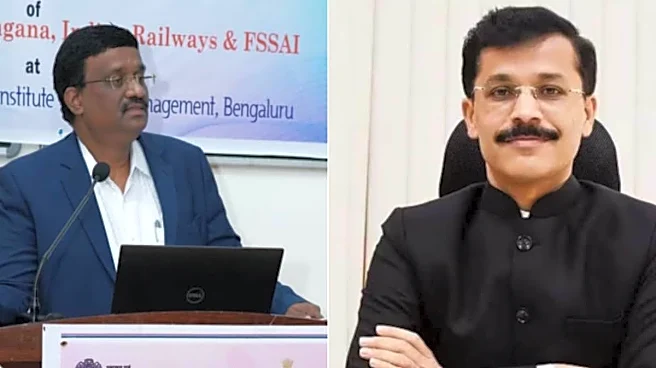



Karnataka is seeing its own wave of food safety crackdowns, with the latest hitting Vidhana Soudha and Arogya Soudha itself — the state health department’s own headquarters — prompting many to wonder if FDA commissioner Srinivas K is taking a cue from Maharashtra’s Tukaram Mundhe, whose aggressive enforcement drive has dominated headlines since May. His answer: Karnataka isn’t following anyone’s lead — if anything, it set the trend others are now catching up to.
The remarks came day after FDA officials sealed a canteen at Vikasa Soudha, ordered the closure of a restaurant inside the Vidhana Soudha complex, and issued a notice to the Arogya Soudha canteen — the state health department’s own headquarters — after finding expired food and cockroaches.
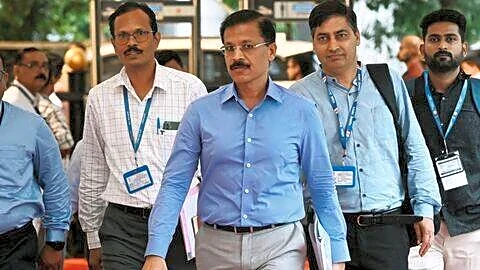
The timing invited comparisons to Maharashtra, where FDA commissioner Tukaram Mundhe, a 2005-batch IAS officer known for frequent transfers, has led an aggressive statewide crackdown since May that has shut down several well-known Mumbai eateries and clubs.
Why Is Karnataka Being Compared To Maharashtra’s Crackdown?
Maharashtra’s drive under Mundhe has dominated headlines in recent months, prompting Times of India to directly ask Srinivas K whether Karnataka’s intensified enforcement was “inspired by drives in neighbouring states.”
His answer rejected the premise outright: Karnataka, he said, was “actually the first state to bring awareness around food safety,” and the current push builds on groundwork the state laid years earlier — not a response to what Maharashtra is doing now.
What Does Srinivas K Say Karnataka Did First?
He pointed to two specific precedents. The department first flagged the use of artificial colours in kebabs and pani puris beyond permissible limits — an issue he said Maharashtra “recently started looking at,” and one that eventually reached Parliament, where it was said every state should enforce provisions under the Food Safety and Standards Act.
Separately, Karnataka’s FDA was the first to identify plastic sheets being used in idli preparation, a finding that led to a national advisory from the FSSAI. “This is the wave Karnataka created,” he told TOI.
Why Did Star Hotels Come Under The Scanner Only Now?
For years, enforcement stayed largely confined to roadside eateries and darshinis. Star hotels operated under central licences, meaning inspections required coordinating with or informing central officials — compounded by staff shortages that limited large-scale action.
That changed once establishments with turnover up to Rs 50 crore were brought under state-level licensing, and health minister UT Khader directed the department to begin enforcement at this tier.
What Did The Vidhana Soudha And Arogya Soudha Raids Find?
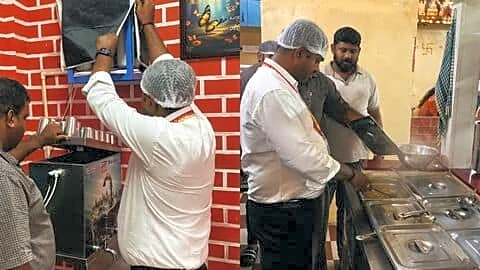
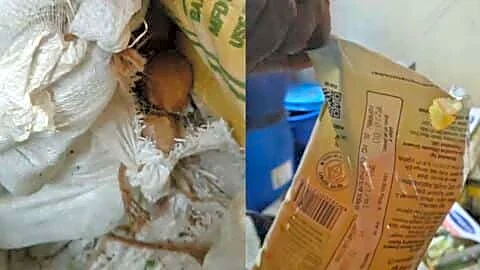
At the Arogya Soudha canteen on Magadi Road, officials found expired idli rava and coconut powder, storage that didn’t meet FSSAI norms, and inadequate pest control; a notice was issued.
At Vikasa Soudha, a canteen was sealed outright, while Mallige Ootada Mane, a restaurant inside the Vidhana Soudha complex, was ordered shut after cockroaches turned up in its kitchen.
How Far Has The Crackdown Spread Beyond Government Buildings?
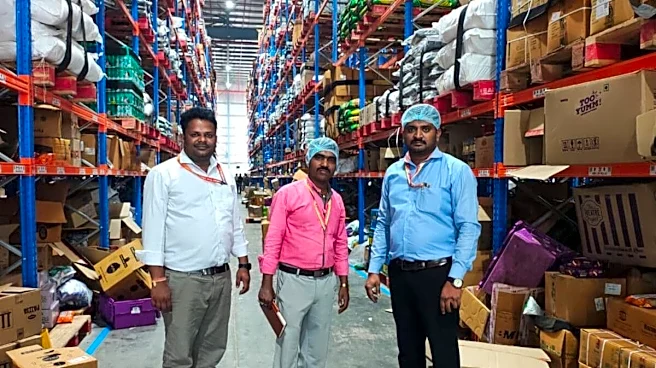
The same week, FDA sealed a Zepto warehouse operated by Nippon Express in Hoskote over non-compliant labelling, misbranding and unhygienic storage.
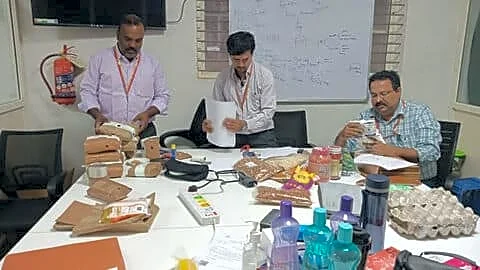
At a Hyperpure by Zomato facility in Sakalawara — clean premises, officials noted, but with licensing lapses — they found 146kg of chicken with no valid FSSAI licence number, 40kg of garlic sourced from a supplier whose licence wasn’t in force, alleged mislabelling on 300kg of rice, 20kg of dry fruits and 15kg of masala, and 10kg of imported radish pickle stored outside refrigeration despite its labelling requirements.
Forty samples were collected for testing. A central Indira Canteen kitchen in Gottigere was sealed, and units in Gottigere, Lingarajapuram and Singasandra were issued notices over similar violations.
What Systemic Problems Did FDA Find At Star Hotels?
Srinivas K said the department was “shocked” by what surfaced — minimal regulatory awareness among staff and gaps against detailed checklists covering fish products, catering and hygiene, including a requirement that chefs be screened for tuberculosis every six months and avoid long nails, watches or rings while handling food.
He estimated fewer than 30% of hotels know or follow the full set of rules, and said notices have gone out with hotels called in for a meeting.
Is Street Food Held To The Same Standard?
By his account, roadside food has fared better under scrutiny: samples from 36 food trucks near Vidhana Soudha and from 4am biryani outlets in Hoskote both came back within required standards.
He said far more people eat at roadside stalls and darshinis than at star hotels, calling food “a sentiment” the state has “inculcated for over 2,000 years,” and cautioned against treating enforcement as a threat to that choice.
What Happens Next?
Srinivas K said the department collected Rs 65-70 lakh in fines through adjudication last year and has now sent protein powders for analysis as well. His broader message to consumers, per TOI: there’s no need to panic, but people should stay mindful of what they eat outside — and ideally limit it to about twice a month.