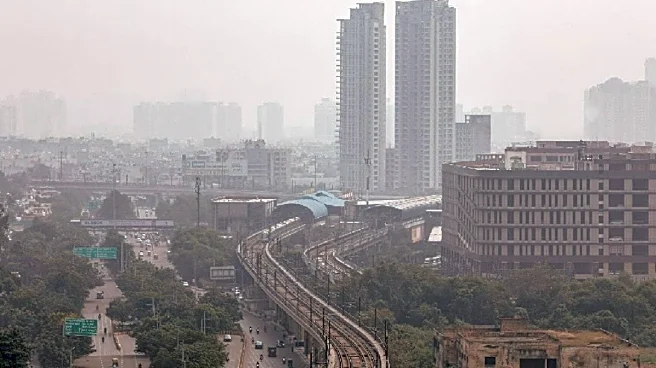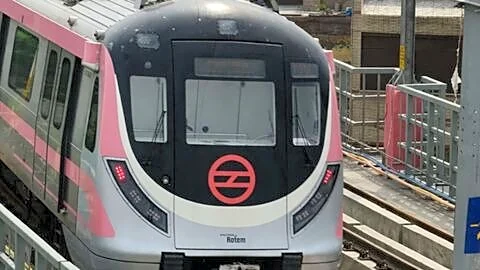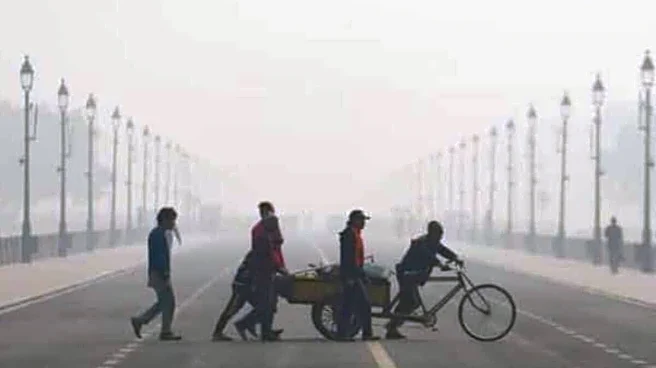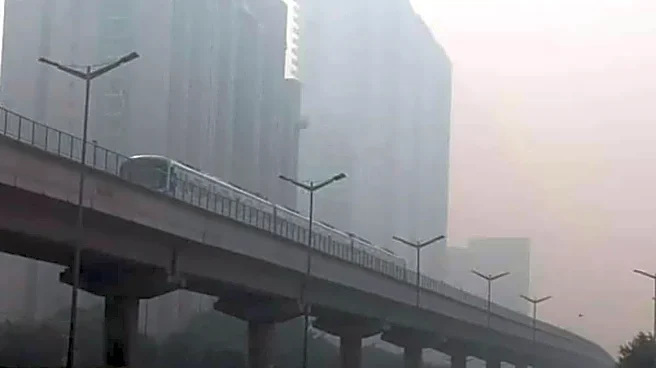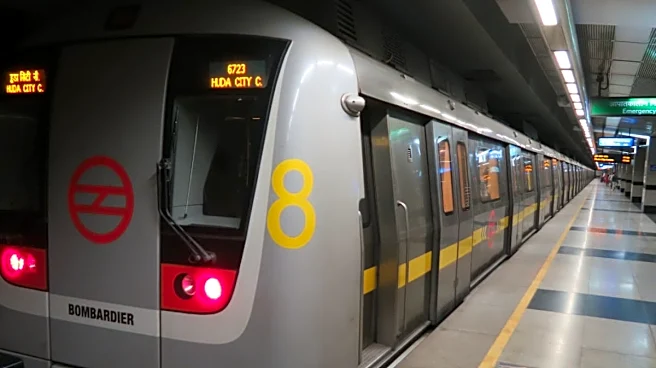

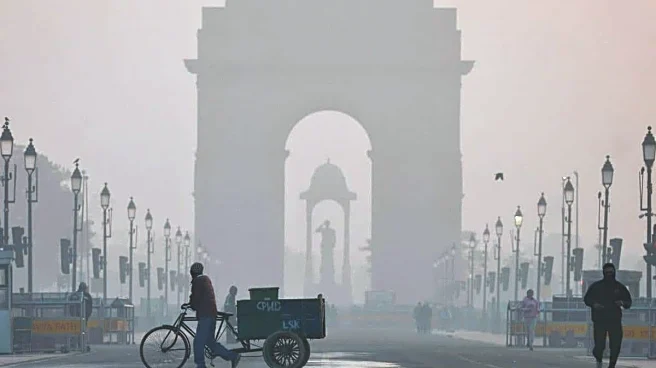


With air pollution worsening in the capital, the Delhi Metro will add 20 more trips on weekdays from Tuesday, taking the total number of additional services across its network to 40.
The move comes after the Commission for Air Quality Management (CAQM) imposed Stage II of the Graded Response Action Plan (GRAP) in Delhi-NCR on Monday as the city’s air quality slipped into the ‘very poor’ category.
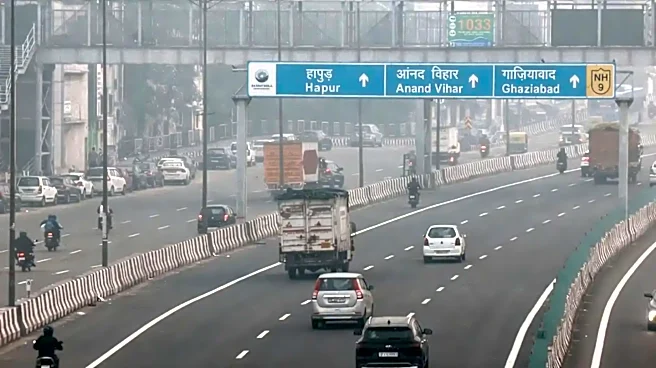
The increase in Metro services is aimed at making public transport a more convenient option for commuters and encouraging people to leave their private vehicles at home. Fewer private vehicles on the roads can help reduce vehicular emissions, which are one of the sources contributing to Delhi’s winter air pollution.
Delhi Metro had already increased services
as part of the pollution-control measures. With the latest addition, commuters will have more train trips available during weekdays, particularly as authorities step up efforts to limit pollution in the capital.
What Does GRAP Stage II Mean?
GRAP is a graded set of measures used across Delhi-NCR when air quality deteriorates. Stage II is triggered when the Air Quality Index (AQI) falls in the ‘very poor’ range of 301-400. Measures under this stage are intended to prevent pollution levels from worsening further.
Under the current GRAP framework, authorities are required to intensify several measures, including tighter regulation of diesel generator sets, increased mechanical road sweeping and water sprinkling to control dust. The use of coal and firewood in tandoors at hotels, restaurants and open eateries is also restricted, with establishments required to use electricity, gas or other approved clean fuels.
Authorities can also increase parking fees to discourage the use of private vehicles. Public offices and municipal bodies may also stagger working hours as part of the Stage II response.
Why Are These Restrictions Being Imposed?
Delhi’s air quality typically deteriorates during the winter months as weather conditions become less favourable for the dispersal of pollutants. Low wind speeds and other meteorological conditions can trap pollutants close to the ground, worsening the air people breathe.
The revised GRAP framework is designed to respond to worsening air quality in stages rather than waiting for pollution to reach the most dangerous levels. The CAQM says the plan is a dynamic system that allows authorities to take preventive and restrictive action based on both prevailing and forecast air quality.
The latest measures also come against the backdrop of separate winter pollution controls that have been brought in this year, including restrictions on certain non-BS-VI vehicles entering Delhi. These measures are separate from the additional Metro services but form part of the wider effort to curb emissions during the winter pollution season.
For commuters, the Metro remains one of the main alternatives to private vehicles. The decision to add more trips is therefore aimed not just at easing travel but also at encouraging a shift towards public transport as Delhi battles another spell of poor air quality.