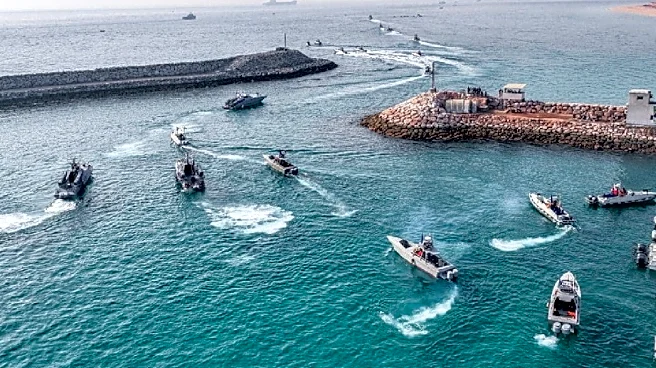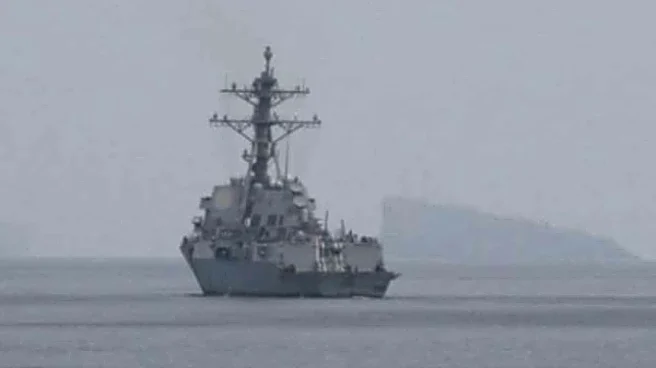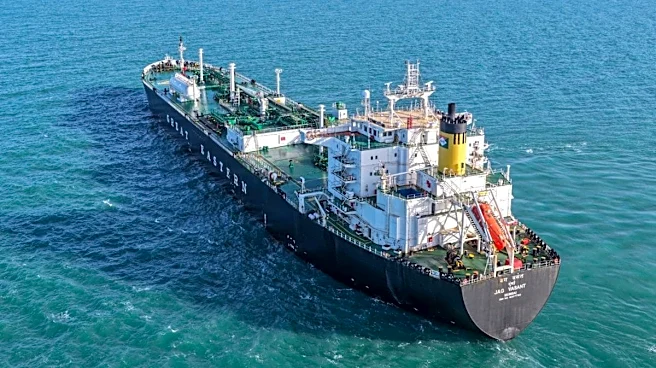



Iran’s Islamic Revolutionary Guard Corps (IRGC) has warned that any military vessels passing through the Strait of Hormuz will face a “strong response”. The statement came after the United States Central Command said two US Navy warships had transited the strategic waterway to clear mines allegedly laid by Iran.
The IRGC Navy Command said it has full authority to manage the strait and would deal “severely” with any such attempts. It added that only civilian vessels would be allowed to pass, and that too under specific conditions.
According to Iranian state media, the IRGC made it clear that access to the strait would be tightly controlled. Military movement, it said, would not be tolerated, while civilian shipping could continue under regulated
terms.
As per reports, around 100 ships crossed the Strait of Hormuz in the past month, with several negotiating toll payments to Iran.
US-Iran talks continue despite deadlock
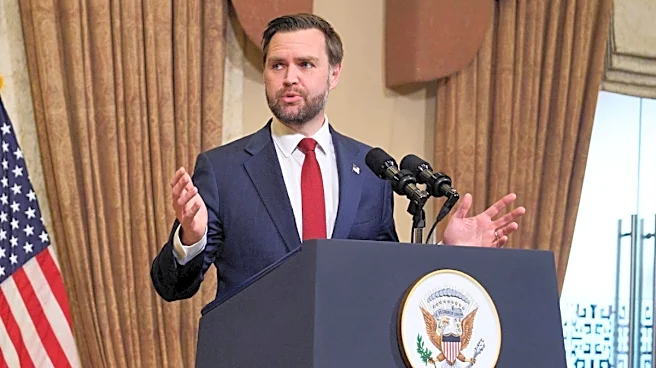
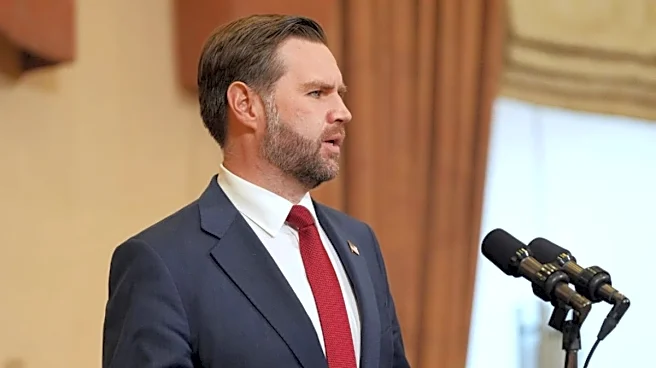
Even as tensions rose, negotiations between Washington and Tehran ended without a deal after 21 hours of discussion. JD Vance confirmed that the discussions failed to produce an agreement acceptable to both parties.
“We have not yet reached an agreement acceptable to the Iranian side,” Vance said, highlighting the ongoing deadlock.
US President Donald Trump said it “makes no difference” whether a deal is reached, while also warning China of “big problems” if it supplies arms to Iran.
Mines complicate Hormuz Strait reopening
According to a report by The New York Times, Iran is currently unable to fully reopen the Strait of Hormuz because it cannot locate all the mines it deployed during the conflict.
US officials believe Iran used small boats to lay mines in the waterway last month, following joint US-Israeli airstrikes on Iranian targets. However, it remains unclear whether Tehran properly recorded the locations of these mines.
Some of the mines that were documented were placed in ways that allowed them to drift, making them even harder to track.
The Strait of Hormuz is a crucial global shipping route, carrying around one-fifth of the world’s oil supply. Continued uncertainty over its safety has raised concerns for global energy markets and added pressure on ongoing negotiations.
/images/ppid_59c68470-image-177606007555165829.webp)