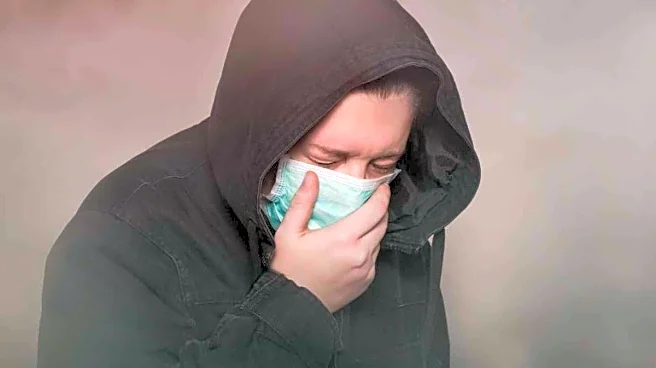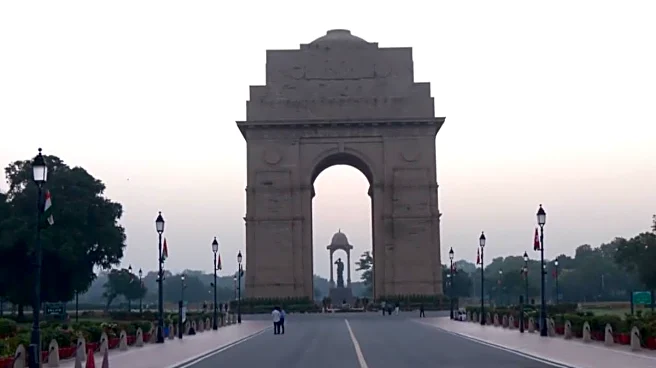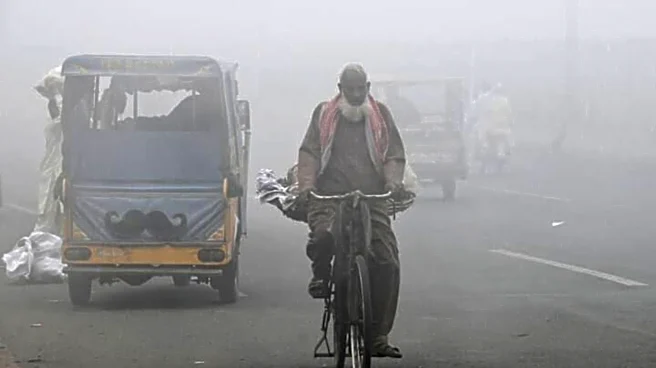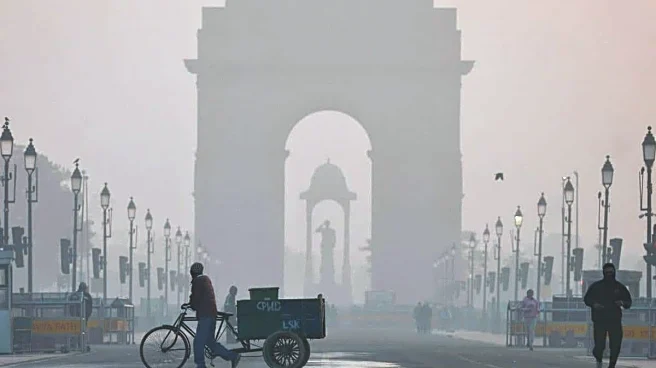

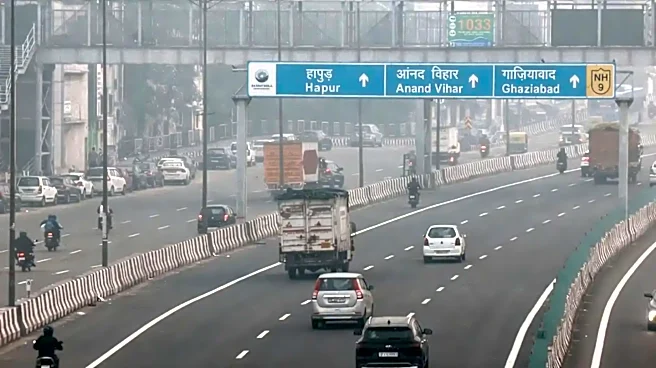


Delhi’s air remained severely polluted on Tuesday (November 3), with the Air Quality Index (AQI) in the area around India Gate recorded at 374, placing it in the ‘Very Poor’ category. The reading comes a day after the Commission for Air Quality Management (CAQM) invoked Stage-II restrictions under the Graded Response Action Plan (GRAP) across the National Capital Region (NCR), following a sharp deterioration in air quality.
On Monday, Delhi’s average AQI stood at 324, also in the ‘Very Poor’ category. The CAQM imposed GRAP-II measures with immediate effect across the entire NCR as pollution levels worsened ahead of Diwali. The restrictions include mechanical or vacuum sweeping of roads, regular water sprinkling to control dust, higher parking
fees to discourage private vehicle use and increased frequency of Metro services and CNG and electric buses.
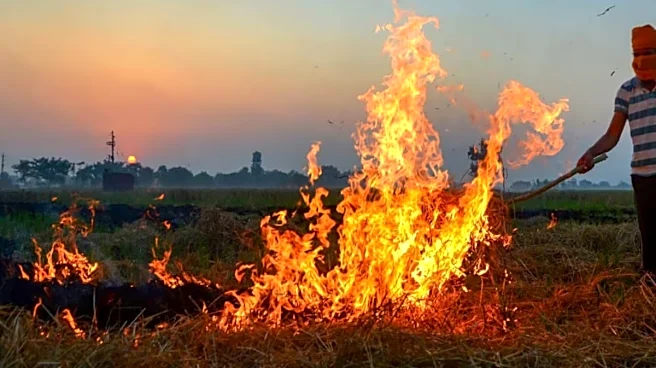
Delhi typically begins experiencing a rise in pollution levels around October, as the region enters the winter pollution season. This year, however, the onset of smog was delayed by late monsoon rains and stronger surface winds, which helped disperse pollutants. The situation tends to worsen as temperatures fall and wind speeds decline. With limited atmospheric movement, pollutants remain trapped closer to the ground. Stubble burning in neighbouring Punjab, Haryana and Uttar Pradesh adds to the pollution burden during this period.
This year, late rains have delayed harvesting in Punjab and Haryana, pushing the peak stubble-burning season towards late October and November. The timing is significant because winter winds are generally calmer during these weeks, allowing smoke and other pollutants to accumulate over the region.
What Are GRAP-II Pollution Curbs?
The CAQM had imposed Stage-I of GRAP on October 21, when Delhi’s AQI was recorded at 244. Stage-I measures include promoting public transport, checking Pollution Under Control (PUC) certificates, restricting the use of coal and firewood at roadside eateries and commercial tandoors, and limiting the use of diesel generators.
Stage-II introduces additional measures, including more frequent mechanised road cleaning and water sprinkling, higher parking charges and increased public transport services. If pollution levels rise further, GRAP Stages III and IV can bring stricter restrictions. These include curbs on BS-III petrol and BS-IV diesel four-wheelers and, at the most severe stage, measures such as odd-even vehicle rationing.