/images/ppid_59c68470-image-178888262761259272.webp)
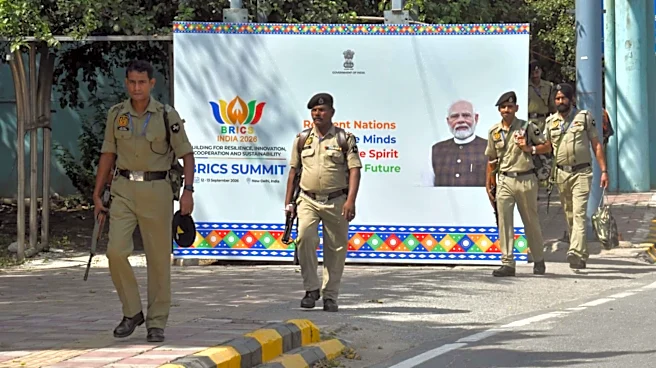
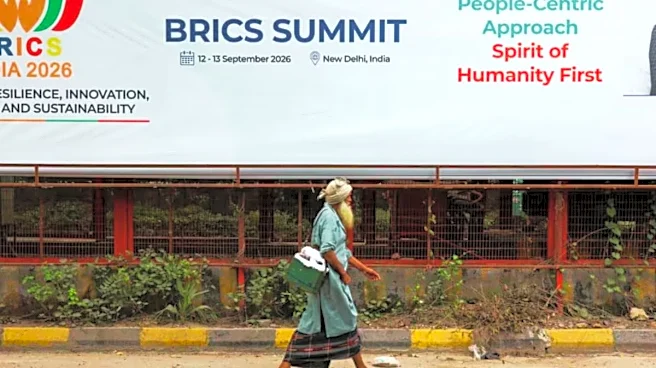
BRICS SUMMIT 2026: New Delhi will operate under heightened security from September 11, 2026, as the capital hosts the 18th BRICS Summit at Bharat Mandapam, with traffic restrictions and extensive security arrangements planned across the city.
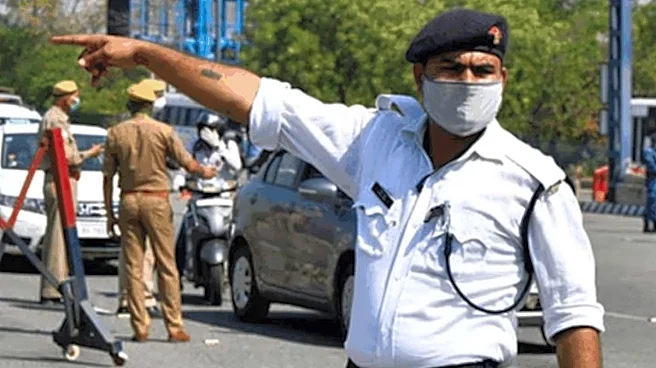
The Delhi Traffic Police has announced diversions and regulated movement on several major roads between 2 pm and 8.30 pm on September 11. The restrictions are linked to the movement of visiting heads of state and other high-profile delegates.
Authorities have stressed that Delhi will not be completely shut down. Instead, traffic will be stopped or redirected temporarily whenever security convoys pass through sensitive corridors.
The duration of individual stoppages cannot be predicted, as vehicles will be released
according to the movement of the convoys and the prevailing security situation.
Motorists have been advised to leave early, factor in longer journey times and use alternative routes wherever possible. Public transport, particularly the Metro, has been recommended as the preferred option during the affected hours.
Key Roads Under The Traffic Radar
More than 35 roads have been identified as potentially affected by the summit arrangements.
Among the principal corridors are
- Sardar Patel Marg
- Mother Teresa Crescent
- Teen Murti Marg
- Akbar Road
- Tees January Marg
- Rajesh Pilot Marg
- Subramaniam Bharti Marg
- Mathura Road
- Moti Lal Nehru Marg
- Dr Zakir Hussain Marg
- Brig. Hoshiar Singh Marg
- Africa Avenue Road, Satya Marg
- Shanti Path
- Janpath
- Ashoka Road
- Barakhamba Road
- Tolstoy Marg
- Ranjeet Singh Flyover
- Niti Marg
- Panchsheel Marg
- Kemal Attaturk Marg
- APJ Abdul Kalam Road
- Press Enclave Road
- Lal Bahadur Shastri Marg
- Josef Broz Tito Marg
- Lala Lajpat Rai Marg.
Mathura Road and Tilak Marg are among the stretches where movement will be restricted under the notified arrangements.
22 Points To Regulate And Divert Traffic
Traffic officials have prepared a network of 22 diversion points covering central Delhi, south Delhi, the diplomatic area and roads leading towards Bharat Mandapam.
BRICS Summit 2026
TRAFFIC ADVISORY
📍 In view of the BRICS Summit on September 11, 2026, traffic diversions and regulated movement will be in place across key routes in Delhi from 2:00 PM to 8:30 PM.
* Commuters are advised to plan their journeys in advance, allow extra travel… pic.twitter.com/0BdSVHdElA
— Delhi Traffic Police (@dtptraffic) September 10, 2026
At Dr Dinesh Nandini Dalmia Chowk, traffic travelling from East and South Delhi towards the restricted area will be channelled through BSZ Marg and IP Marg. Vehicles coming from Central, North and West Delhi will instead be directed towards BSZ Marg and Delhi Gate.
The arrangements around Ram Charan Aggarwal Chowk will route vehicles from New Delhi and Connaught Place through Sikandara Road. Other traffic will be directed towards IP Marg or DDU Marg depending on its origin.
At Mir Dard Chowk, commercial vehicles without a destination beyond the controlled area will face restrictions. Alternative corridors include Mir Dard Marg, Abdul Gaffar Marg, DDU Marg, Kotla Marg and BSZ Marg.
The Kasturba Gandhi Marg-Outer Circle area will also see regulated movement. Vehicles from New Delhi and South Delhi will be channelled towards the Outer Circle and other arterial roads, while traffic from other parts of Delhi will be sent through Kali Bari, Shaheed Bhagat Singh, Panchkuian, Minto and Barakhamba roads.
At Patel Chowk, traffic will be redirected towards Ashoka Road and GPO or through Sansad Marg, depending on the direction of travel.
Restrictions at the RML Hospital roundabout will affect traffic heading towards Windsor Place and the RBI on Sansad Marg, with alternative movement available through Sheikh Mujibur Rehman Marg and Baba Kharak Singh Marg.
Traffic approaching Vande Matram Marg and Simon Bolivar Marg will also be redistributed. Vehicles from South Delhi will be directed towards Dhaula Kuan, while traffic from New Delhi, East, North, West and Central Delhi will use the Karol Bagh route.
Dhaula Kuan And South Delhi Corridors To See Major Diversions
Traffic approaching Dhaula Kuan Flyover will face restrictions on Sardar Patel Marg. Vehicles will be directed towards the Ring Road, Vande Matram Marg or NH-48 depending on their destination. This is particularly significant for passengers travelling towards the IGI Airport and Gurgaon, who have been advised to use NH-48 and Gurgaon Road.
At Moti Bagh Flyover, Shanti Path will be affected. Traffic will be shifted towards the Ring Road, while vehicles from South-West Delhi, the airport and Gurgaon will be able to use Rao Tula Ram Marg.
At the Brig. Hoshiar Singh Marg roundabout, movement towards Yashwant Place on Africa Avenue will be restricted. Diversions will include Brig. Hoshiar Singh Marg, Africa Avenue and Bhikaji Cama Flyover.
Several south Delhi roads, including Madarsa T-Point, Amrita Shergil Marg, Max Mueller Marg, Maharishi Raman Marg and Archbishop Macarius Marg, will also operate with diversions towards Lodhi Road and other connecting corridors.
Bharat Mandapam Routes To Be Closely Regulated
Roads around the Bharat Mandapam area will be particularly sensitive during VVIP movements.
At Neela Gumbad, traffic on Mathura Road towards Bharat Mandapam will be restricted. Depending on the direction of travel, motorists will be diverted towards Lodhi Road, Neela Gumbad, Barapullah Flyover or Ashram Chowk.
Movement around the Oberoi Flyover and Dr Zakir Hussain Marg will also be regulated. Vehicles will be redirected towards Mathura Road and Ashram Chowk.
At the U-turn opposite DPS on Mathura Road, traffic heading towards Bharat Mandapam will be restricted, with the Lodhi Flyover and associated underpass serving as an alternative route. Vehicles travelling to the Oberoi Hotel and Golf Link will be allowed through.
The Ring Road-Bhairon Road junction will also have restrictions, with alternative movement available through Sarai Kale Khan and Raj Ghat.
At Mandi House, traffic on Feroz Shah Road, Bhagwan Das Road and Copernicus Marg will be diverted towards Barakhamba Road or Sikandra Marg.
Railway Passengers Advised To Allow Extra Time
Travellers using Delhi’s major railway stations should plan their journeys carefully. Passengers heading to New Delhi Railway Station can use routes through Kashmiri Gate, Boulevard Road, Rani Jhansi Marg, DBG Road and Panchkuian Road, or travel via Ashram Chowk, Ring Road, Raj Ghat and JLN Marg. A further option is available through Vande Matram Marg and Dr Ambedkar Marg.
For Old Delhi Railway Station, alternative corridors include Ring Road and S.P. Mukherjee Marg, as well as routes via Rani Jhansi Flyover, Boulevard Road and Lothiyan Marg.
Passengers travelling to Hazrat Nizamuddin Railway Station can approach via AIIMS, Ring Road, Ashram Chowk and Mathura Road. Another route is available from Kashmiri Gate through Ring Road, Raj Ghat and Ashram Chowk.
Metro Recommended For Airport Passengers
The Delhi Metro is expected to be the most reliable option for many airport-bound passengers during the traffic advisory period.
The DMRC has said all Metro stations will remain operational until further notice, with services continuing normally unless a specific security-related announcement is made. Passengers have been asked to monitor DMRC’s official website, social media accounts and the Delhi Metro Sarthi App for any changes.
Road users travelling between the airport, Gurgaon, Dwarka and different parts of Delhi have also been given alternative road corridors.
From Gurgaon, passengers can approach the airport through NH-48, Rao Gajraj Singh Marg, Old Delhi-Gurgaon Road and UER II, depending on the terminal.
From Dwarka, the recommended corridor is Sector 22, Dwarka Road and UER II, including the new tunnel towards Terminal 3.
Travellers from New Delhi and South Delhi can use Ring Road, AIIMS, Moti Bagh, RTR Marg, Shankar Vihar Flyover and NH-48 towards the airport.
Passengers from West, North and East Delhi have been advised to use Ring Road, Punjabi Bagh, Raja Garden, Najafgarh Road, Pankha Road, Dabri, Dwarka Road and UER II before joining the airport corridor.
Authorities have warned that these routes too could be temporarily regulated when VIP convoys are on the move.
Buses, Autos And Cabs To Remain Available
Delhi’s bus network will continue operating, although services crossing restricted areas may have to change routes or be temporarily curtailed.
Autos, taxis and app-based cab services will also remain available. However, vehicles may not be able to enter security-controlled zones, and designated pick-up and drop-off arrangements may be altered.
Drivers have been told not to park on roadsides and to use authorised parking facilities.
Commercial Traffic Faces Entry Restrictions
Commercial vehicles that do not have a destination within the affected areas will not be allowed to enter Delhi under the applicable security arrangements. At the same time, authorities have made provisions for essential supplies and utility services.
Emergency and medical vehicles will receive priority passage, with officials maintaining arrangements for uninterrupted emergency access across the city.
Parking Ban Near Controlled Roads
Roadside parking will be prohibited within 200 metres of controlled roads. Vehicles must be left only in designated parking areas.
Traffic personnel deployed along the affected routes will have the authority to regulate movement, and motorists have been asked to comply with their instructions.
The public has also been urged to immediately alert police about unattended objects or suspicious activity.
Strict Airspace Restrictions Around Delhi
The summit-related security measures extend beyond roads. According to ANI, special aviation restrictions will apply from September 11, 2026, at 1.30 am UTC until September 13, 2026, at 5.30 pm UTC.
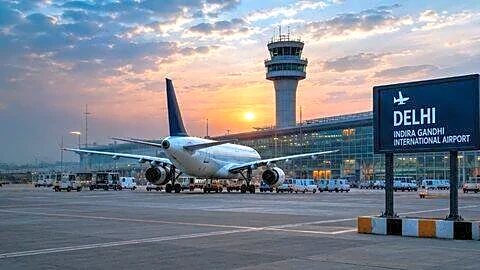
Take-offs and landings at the Indira Gandhi International Airport and other airports within a 300-kilometre radius of Delhi will be subject to stringent restrictions.
Only specified categories of flights will be permitted, including normal scheduled airline services, approved BRICS-related flights, IAF, BSF and Aviation Research Centre aircraft, Army helicopters involved in emergency or medical missions, and state aircraft or helicopters carrying a Governor or Chief Minister.
BRICS-related special flights will require their flight plans to be cleared by ATC in advance and will be handled as scheduled operations.
Scheduled passenger flights and overflights crossing the restricted 300-kilometre zone will continue on normal routes but will have to comply with altitude requirements.
Aircraft climbing towards the zone must reach FL290 by the time they are 200 kilometres from Delhi. Aircraft on descent must not begin descending from FL290 until they are at least 200 kilometres away.
Safdarjung Airport will remain closed, apart from specified IAF and BSF/IAF helicopter operations involving emergency, VIP or National Security Guard duties. The Rohini Helipad will be completely closed.
Flights outside the permitted categories will need advance security approval from the Ministry of Home Affairs.
Delhi Placed Under Heavy Security Cover
The capital has been put on high alert ahead of the two-day summit. Approximately 15,000 Delhi Police personnel and 200 companies of paramilitary forces have been deployed. More than 500 CCTV cameras are being used in Delhi, including high-resolution surveillance systems, facial-recognition technology and automatic number plate-reading equipment.
The New Delhi district will be monitored continuously from a dedicated control room.
Security measures cover not only Bharat Mandapam but also the airport, hotels and other locations on the itineraries of visiting leaders.
Officials have strengthened access controls, identity verification, intelligence gathering, traffic coordination and emergency-response systems across these locations.
Around 70-80 High-Security Movements Possible Each Day
The volume of diplomatic movement is expected to be considerably higher than during a conventional VIP visit. A visiting leader may have to travel between the airport, hotel, summit venue and locations for bilateral meetings and other engagements. Officials estimate that the city could see 70-80 or more protected movements in a single day.
Every convoy requires its own traffic arrangements, route protection and access controls, increasing the likelihood of short-term disruptions across different parts of Delhi.
The Traffic Police has surveyed the proposed routes and held coordination meetings with government agencies and neighbouring states.
Officials said the objective was to maintain a balance between protecting the visiting leaders and keeping inconvenience to ordinary commuters as low as possible.
Motorcade Rehearsal Offers Glimpse Of Traffic Impact
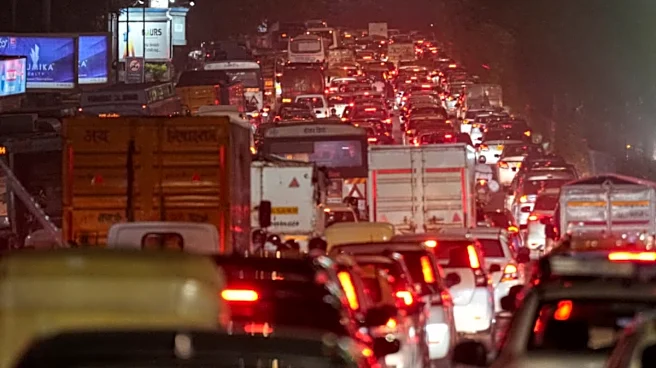
The effect of the arrangements was visible on Wednesday evening when a rehearsal involving a motorcade resulted in lengthy delays at several locations. During the exercise, traffic was controlled at all 22 identified diversion points between 7pm and 10pm.
Nearly 4,800 traffic personnel have been assigned to summit-related duties.
Major Global Leaders Due In Delhi
Russian President Vladimir Putin arrived in Delhi early on Friday for the summit. Chinese President Xi Jinping is also confirmed to attend, in what will be his first visit to India in seven years.
Other prominent attendees include Iranian President Masoud Pezeshkian, South African President Cyril Ramaphosa, Egyptian President Abdel Fattah El-Sisi, Abu Dhabi Crown Prince Mohamed bin Zayed Al Nahyan, UN Secretary-General António Guterres and WHO Director-General Tedros Adhanom Ghebreyesus.
The Egyptian delegation’s movements between its Saket hotel and central Delhi could place additional pressure on south Delhi’s road network during busy periods.
Advice For Exam Candidates And Hospital Visitors
Those appearing for UPSC, NDA, CDS and other examinations have been advised to verify their examination centre and travel route before leaving home.
Candidates should carry their admit cards and identification documents and set out well ahead of their reporting time.
Patients with scheduled hospital appointments have similarly been advised to build extra time into their journeys.
Anyone facing a genuine medical emergency should immediately approach traffic personnel or the nearest police officer for assistance.
Map Services To Reflect Diversions
Traffic authorities have worked with online mapping platforms so that restrictions, diversions and alternative routes can be reflected on navigation services in real time.
Motorists should nevertheless be prepared for last-minute changes, particularly when a protected convoy is moving through the city.
Police Warn Against False ‘Delhi Bandh’ Messages
Delhi Police has appealed to residents not to circulate unverified social media claims suggesting that the capital will observe a blanket shutdown during the summit. There is no city-wide closure, officials have said. Instead, restrictions will be introduced selectively and temporarily based on security requirements and VVIP movements.
Residents have been urged to rely on official Delhi Police and traffic updates, avoid unnecessary travel through controlled corridors and cooperate with personnel deployed on the roads.
With thousands of security personnel, extensive surveillance and repeated diplomatic movements expected throughout the summit, commuters across Delhi are likely to face intermittent delays. Authorities have asked the public to plan ahead, use public transport wherever practical and allow sufficient time for journeys to airports, railway stations, examination centres and hospitals.