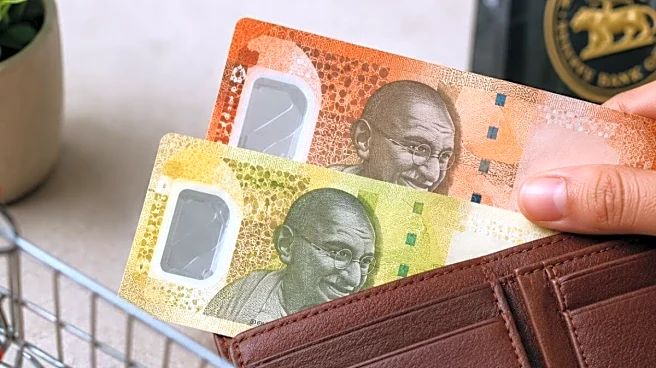






India’s currency could soon undergo one of its biggest physical changes in decades. The Reserve Bank of India (RBI) has reportedly begun preparations to introduce polymer, or plastic, banknotes, starting with a pilot for Rs 10 and Rs 20 notes. If the trial is successful, India could gradually join more than 40 countries that already use polymer currency.
Here’s what could change, why the RBI is considering the move, and what it means for people.
What’s Happening?
According to a report by The Times of India, the RBI has invited global expressions of interest (EoI) from manufacturers capable of supplying specialised polymer substrate sheets embedded with advanced security features. The pilot is expected to begin with the country’s most frequently used denominations—Rs
10 and Rs 20 notes—before any decision is taken on a wider rollout.
The central bank has not officially announced a nationwide transition or a timeline for replacing all paper currency.
What Are Polymer Notes?
Unlike conventional Indian banknotes, which are printed on cotton-based paper, polymer notes are made from a special plastic film, usually biaxially oriented polypropylene (BOPP), NDTV Profit reported.
These notes have a smooth, plastic-like feel and can incorporate security elements such as transparent windows, metallic features and advanced inks that are difficult to replicate. Countries, including Australia, Canada, New Zealand, Singapore and the UK, already use polymer banknotes.
Why Does RBI Want Plastic Notes?
1. They Last Much Longer: The biggest advantage is durability. Low-denomination notes such as Rs 10 and Rs 20 change hands frequently and wear out quickly. Polymer notes can last two to four times longer than paper notes, reducing the need for frequent replacement.
2. They Are Harder To Fake: Polymer substrates allow the inclusion of sophisticated security features, including transparent windows, complex holographic designs and specialised inks that make counterfeiting significantly more difficult, India Today reported.
3. They Stay Cleaner: Unlike paper notes, polymer notes absorb less moisture and dirt, making them more resistant to grime, tears and accidental spills. They are also easier to clean without damaging the note.
4. Lower Long-Term Costs: Although polymer notes are more expensive to manufacture initially, their longer lifespan means fewer replacement cycles, potentially lowering overall currency management costs over time.
Has India Tried This Before?
Yes. This is not the RBI’s first attempt at polymer currency.
In 2013, the central bank conducted a limited field trial of Rs 10 polymer notes in select cities. In 2015, it again announced plans to introduce polymer notes on a pilot basis to improve durability and curb counterfeiting. However, those plans never progressed into nationwide circulation.
The latest move is considered more significant because the RBI has formally initiated procurement of polymer substrate through a global bidding process, Economic Times reported.
Why Start With Rs 10 And Rs 20?
Experts believe these denominations are ideal for testing because they are among the most heavily circulated notes in the country.
Since they change hands multiple times a day, they deteriorate much faster than higher-value denominations. If polymer notes prove successful under these demanding conditions, the RBI could consider extending the technology to other denominations.
Will Paper Notes Disappear?
Not immediately.
The RBI is only preparing for a pilot project, ET reported. Existing paper currency will continue to remain legal tender, and any nationwide rollout would likely happen gradually after the pilot is evaluated. There has been no announcement suggesting an immediate replacement of existing notes.
Which Countries Already Use Polymer Currency?
Polymer banknotes are already in circulation in several countries, including Australia (which was the pioneer and introduced them in 1988), Canada, New Zealand, Singapore, United Kingdom, Romania, Malaysia, Nigeria, Vietnam, and Brunei.
Many central banks adopted polymer currency because of its longer lifespan, improved security and lower replacement costs.


/images/ppid_59c68470-image-178426256116766306.webp)





/images/ppid_59c68470-image-17842850285992691.webp)
/images/ppid_59c68470-image-178429759443980121.webp)