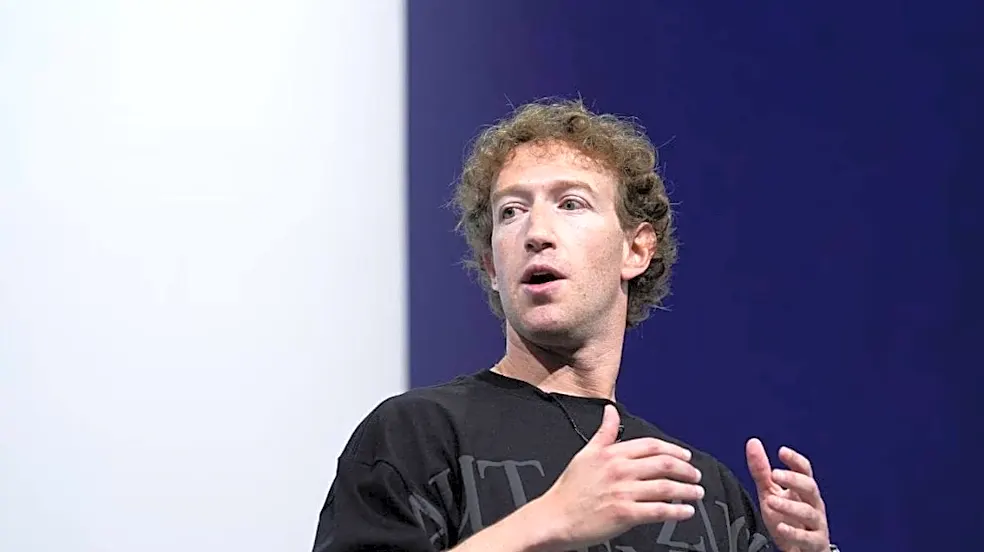



Meta Platforms has struck a deal with chief executive Mark Zuckerberg to keep him in California for eight years after he warned he was considering leaving the state over a proposed billionaire wealth tax.
Under the agreement, Zuckerberg will receive non-voting shares that he can sell to help pay a potential multi-billion-dollar tax bill if voters approve the proposal, Meta said on Wednesday.
The deal is designed to allow Zuckerberg to raise funds without giving up his voting control of the company, which owns Facebook and Instagram. He has also committed to remaining a resident of California, or wherever Meta’s headquarters is based, for eight years.
Proposed Tax Raises Stakes
The dispute centres on Proposition 40, a ballot measure that seeks to impose a one-time 5% tax
on billionaires in California. The proposal is due to go before voters next month, although its passage remains uncertain.
Zuckerberg, whose net worth is estimated at around $240 billion, could face a substantial tax bill if the measure is approved. According to the figures cited in the report, the proposed levy could cost him billions of dollars.
California is home to as many as 250 billionaires, whose combined wealth exceeds $2 trillion.
Under the arrangement, Zuckerberg can immediately sell 20% of the Class C shares he receives. This represents 10% of his overall economic stake in Meta and would allow him to raise cash without reducing his voting power.
Meta Plans New Share Class
Meta said it would issue a new class of non-voting Class C common stock in January 2027. The move will effectively result in a two-for-one stock split and is also intended to help fund acquisitions and retain key talent while preserving Zuckerberg’s control.
The company’s board said keeping Zuckerberg in California was “critically important” to its leadership and performance, particularly amid growing competition in artificial intelligence (AI).
Meta’s long-term forecasts indicate that it may need to raise “hundreds of billions of dollars” over several years, starting as early as autumn 2026, to support its AI expansion.
(With inputs from Reuters)