
Iran’s Foreign Minister Seyed Abbas Araghchi warned foreign military forces operating near Iranian territory that they face risks from accidents, human error and regional conflict, urging them to leave the area following US President Donald Trump’s threat to retaliate over the downing of an American Apache helicopter.
In a statement posted on social media, Seyed Abbas Araghchi stopped short of directly addressing Trump’s accusation that Iran shot down the helicopter over the Strait of Hormuz, but suggested that foreign military deployments close to Iran’s borders create unnecessary dangers.
“Foreign forces in proximity to our territory are at constant risk on account of their own human errors, plain accidents, or potentially being caught in crossfire,”
Seyed Abbas Araghchi wrote, adding, “To reduce risk, best solution is for them to leave.”
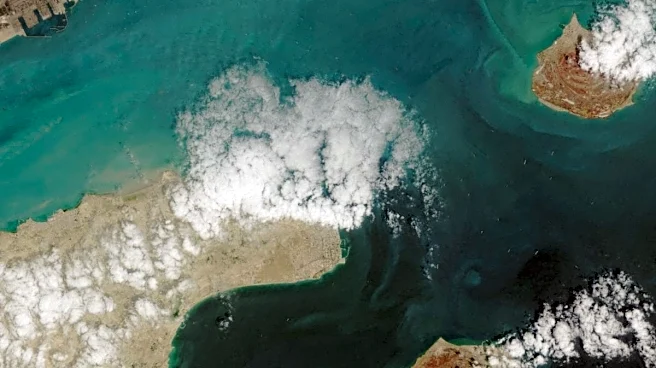
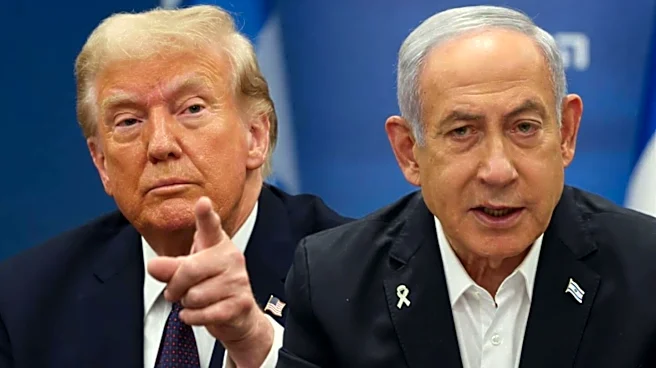
The comments came hours after Trump claimed Iran was responsible for bringing down a US Army AH-64 Apache attack helicopter during a patrol mission over the Strait of Hormuz and declared that the United States “must, of necessity, respond” to the incident.
Seyed Abbas Araghchi’s statement appeared carefully worded, neither confirming nor denying Iranian involvement in the helicopter’s loss. Instead, he emphasised Tehran’s longstanding position that foreign military forces operating near Iran increase the risk of confrontation.
The Iranian foreign minister also pushed back against the US military presence in the region, noting that the Strait of Hormuz lies far from American territory.
“The Strait of Hormuz is not international waters but shared between Iran and Oman, and located thousands of miles away from US shores,” he said.
While stressing that Iran preferred diplomacy, Seyed Abbas Araghchi coupled the message with a warning that Tehran would defend itself if necessary.
“We prefer language of diplomacy but speak other languages too,” he wrote.
The exchange marks the latest spike in tensions between Washington and Tehran at a time when Trump has said negotiations aimed at securing a broader West Asia peace agreement are in their final stages. Any military retaliation by the United States following the Apache incident could complicate those diplomatic efforts and raise fears of a wider regional confrontation.
/images/ppid_59c68470-image-178097007239147205.webp)


/images/ppid_59c68470-image-178097020742365507.webp)
/images/ppid_59c68470-image-178089753502169072.webp)

/images/ppid_59c68470-image-178088509621766953.webp)
/images/ppid_59c68470-image-178098510137194482.webp)
/images/ppid_59c68470-image-178084007032059614.webp)