

/images/ppid_a911dc6a-image-177100042462595765.webp)
/images/ppid_a911dc6a-image-177100003665395152.webp)
As India moves into its busiest festive stretch, with Christmas and New Year celebrations underway, there have been reports of people complaining about fever, sore throat, cough, body aches, and fatigue.
Recent clinical observations across cities suggest a steady rise in respiratory and viral infections, even as the country celebrates, travels, and gathers in large numbers.
The coincidence is not accidental. Festive cheer often overlaps with a biological and environmental window where the human immune system is under strain and viruses thrive. Understanding why immunity dips during this period, and what people can realistically do to protect themselves, has become increasingly important.
The Biology Of Seasons And Immunity
The human immune system
is not static. It responds to changes in environment, light exposure, temperature, and daily routines. During the winter months, particularly from late October to January, several subtle biological shifts occur that collectively make people more vulnerable to infections.
Reduced exposure to sunlight plays a role. Sunlight helps the body produce vitamin D, a hormone-like nutrient linked to immune regulation. Lower vitamin D levels during winter have been associated with reduced immune responsiveness, particularly in the respiratory tract. At the same time, cold and dry air can weaken the mucosal lining of the nose and throat. These moist linings are the body’s first line of defence, trapping viruses before they enter deeper tissues. When they dry out, viruses find it easier to invade.
Winter also alters how viruses behave. Many respiratory viruses, including influenza, survive longer and spread more efficiently in cooler, drier conditions. This creates a seasonal advantage for infections just as people are spending more time indoors.
How A Festive Lifestyle Creates Immune Stress
Seasonal biology alone does not explain the festive spike in infections. Lifestyle changes during festivals significantly amplify the risk. Late nights, irregular sleep schedules, and travel-related fatigue are common across age groups during this period. Sleep deprivation has a direct impact on immune function, reducing the activity of natural killer cells and weakening the body’s ability to respond quickly to viral threats.
“During the festive season, we often see a noticeable dip in respiratory immunity, leading to a spike in infections. Late nights, irregular meals, alcohol intake, and poor sleep weaken the body’s defence system, while crowded indoor gatherings increase exposure to viruses and air pollutants. For the lungs, this combination is particularly risky, making people more vulnerable to colds, flu, bronchitis, and asthma flare-ups. Simple steps such as adequate sleep, hydration, mask use in crowded spaces, and avoiding smoke exposure can significantly reduce infection risk and help keep the respiratory system protected during the festive rush,” said Dr Arup Halder, Pulmonologist, CK Birla Hospitals, CMRI Kolkata.
Stress is another underestimated factor. Festivals bring joy, but they also come with financial pressures, travel stress, social obligations, and work deadlines before year-end. Elevated stress hormones such as cortisol can dampen immune responses, making the body less efficient at fighting off pathogens.
What The Latest Winter Data Shows
Doctors across India have been reporting a consistent rise in respiratory illnesses through November and December 2025. While public health surveillance systems have not flagged an extraordinary nationwide outbreak, clinicians say the seasonal uptick is clearly visible in outpatient departments.
Influenza A, particularly the H3N2 subtype, continues to be a concern. This strain has been associated with more intense symptoms, including high fever, prolonged cough, and significant fatigue. It tends to spread easily during colder months and can lead to complications in vulnerable groups such as children, the elderly, and those with underlying health conditions.
Alongside influenza, doctors are seeing a surge in common viral infections such as colds, bronchitis, sore throats, and viral fevers. In many cases, symptoms overlap, making it difficult for patients to distinguish between a routine infection and something more serious.
Paediatricians report increased respiratory complaints among children, while physicians treating older adults are particularly cautious about secondary infections and hospitalisations.
Why Festivals Become Super-Spreader Moments
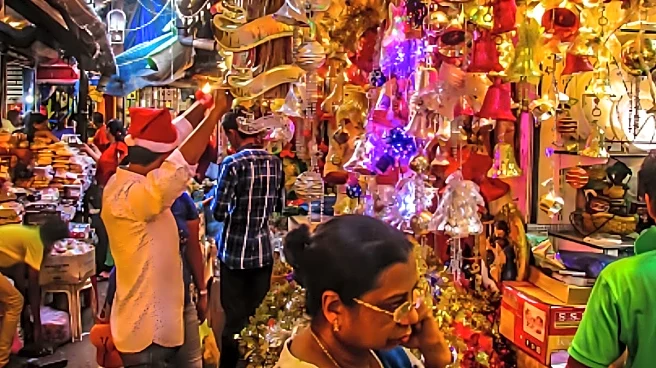
India’s festive season is defined by crowds. Markets, temples, shopping malls, wedding venues, trains, buses, and airports are packed. Respiratory viruses spread primarily through droplets and close contact, making crowded environments ideal transmission zones. Even brief exposure in enclosed spaces can be enough for infection, especially when ventilation is poor.
Indoor gatherings increase during winter. Cooler temperatures push celebrations indoors, where air circulation is limited. Virus-laden droplets linger longer in such spaces, increasing the likelihood of spread. This is particularly relevant for family gatherings, office parties, and religious events that involve prolonged close contact.
Travel further compounds the risk. People moving across cities and states carry infections with them, often unknowingly, during the incubation period. A mild sore throat or fatigue is easily ignored during celebrations, allowing viruses to spread before symptoms become obvious.
Children, Elderly, And High-Risk Groups
While anyone can fall sick during the festive season, certain groups are more vulnerable. Young children have developing immune systems and are frequently exposed to infections through schools, play areas, and family gatherings. Elderly individuals often have weaker immune responses and may suffer from chronic conditions that increase the risk of complications.
People with asthma, diabetes, heart disease or compromised immunity face higher risks during this period. For them, what starts as a mild viral infection can escalate into pneumonia or require hospital care. Doctors emphasise that extra caution during festivals is not about avoiding celebrations, but about recognising vulnerability and planning accordingly.
The Role Of Masks, Hygiene, And Ventilation
The pandemic has permanently changed public awareness around infection control, but festive fatigue often leads people to drop precautions. Simple measures still make a significant difference. Hand hygiene reduces the transmission of viruses picked up from surfaces. Masks, especially in crowded indoor settings, lower the risk of inhaling infectious droplets. Good ventilation—opening windows and allowing fresh air circulation—dilutes viral concentration indoors.
Doctors note that these measures are important in places such as hospitals, public transport, and enclosed event venues. Even partial adherence can reduce overall transmission during peak festive weeks.
Sleep, Nutrition, And Immune Balance
Protecting immunity during the festive season does not require extreme discipline. It requires balance. Maintaining regular sleep patterns as much as possible helps the immune system recover and function effectively. Even one or two nights of poor sleep can weaken immune defences.
Hydration is often overlooked in winter, but adequate fluid intake keeps mucosal linings moist and functional. Including fruits, vegetables, nuts, and protein-rich foods alongside festive meals supports immune health. Vitamin-rich foods, especially those containing vitamin C, zinc, and antioxidants, help the body respond to infections more efficiently.
Moderation is key. Completely avoiding festive foods or celebrations is neither practical nor necessary. But spacing out indulgent meals, limiting alcohol, and prioritising rest can make a measurable difference.
When To Seek Medical Care
One of the risks during festive seasons is delaying medical attention. Many people dismiss early symptoms as “seasonal” or assume they will resolve on their own after celebrations end. Doctors warn that persistent fever, worsening cough, breathlessness, chest pain, or severe fatigue should not be ignored.
Early medical consultation can prevent complications, especially for high-risk individuals. Timely testing and treatment also help reduce the spread of infections within families and communities.
Vaccination And Preventive Awareness
Seasonal influenza vaccination remains an important preventive tool, particularly for older adults, healthcare workers, and people with chronic illnesses. While vaccination does not guarantee complete protection, it significantly reduces the risk of severe disease and hospitalisation.
Public health experts stress that awareness, not alarm, is the goal. Seasonal spikes in infections are expected, but informed behaviour can flatten the curve. Understanding that festivals coincide with a biologically vulnerable period allows individuals to make smarter choices without sacrificing joy.
How To Celebrate Safely
The festive season is deeply woven into its social and cultural fabric. Thus, the rise in infections during this time is not a reason to withdraw, but a reminder that celebration and self-care must go hand in hand.
As winter deepens and festivities continue into the New Year, doctors advise taking small and consistent precautions such as adequate sleep, balanced eating, hygiene, and early medical attention to keep celebrations healthy. Immunity may dip during this season, but informed choices can prevent illness from overshadowing the joy.
/images/ppid_a911dc6a-image-177100358713419284.webp)

/images/ppid_a911dc6a-image-177100354234781292.webp)
/images/ppid_a911dc6a-image-177100362541962778.webp)
/images/ppid_a911dc6a-image-177100367228935407.webp)

/images/ppid_a911dc6a-image-177100352975279320.webp)



/images/ppid_59c68470-image-177100254364289407.webp)

/images/ppid_59c68470-image-177100253375756091.webp)