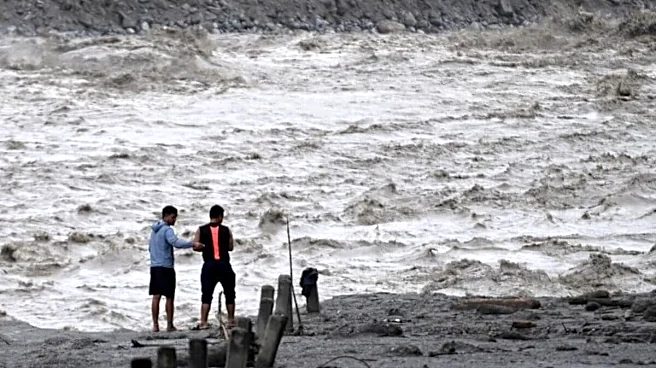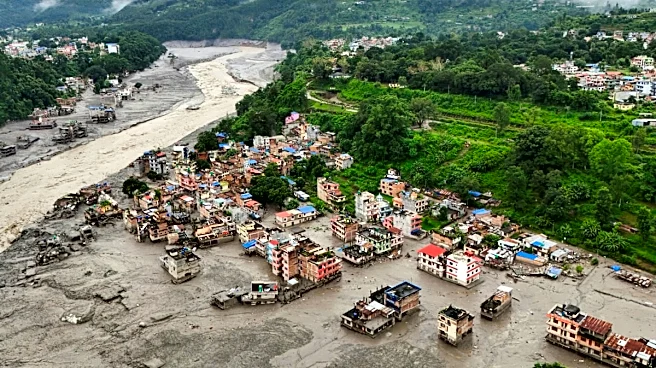

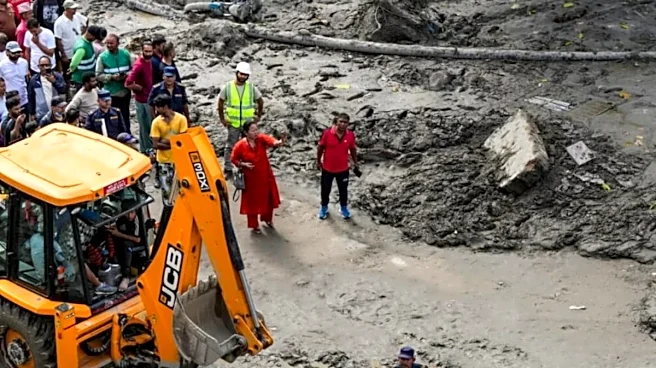
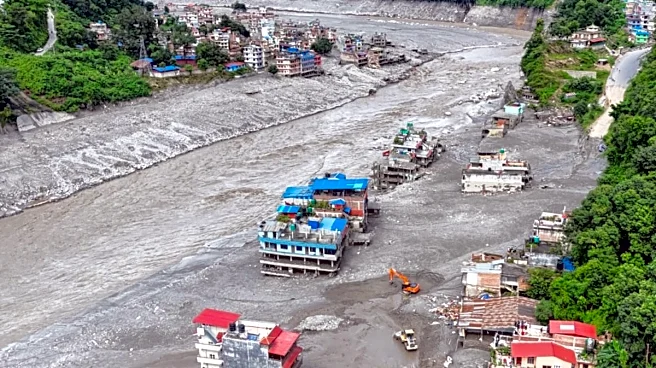
A catastrophic flash flood along the transboundary Lhende Khola and Bhote Koshi river systems has left over 160 dead and dozens missing across the Nepal-Tibet border.
Emergency response teams on the ground in Nepal’s Rasuwa district now face a frightening secondary crisis. Hydrologists and disaster management officials warn that a dangerous second surge of water could be barreling downstream, threatening rescue personnel and stranded survivors.
The Danger of Upstream Debris Dams
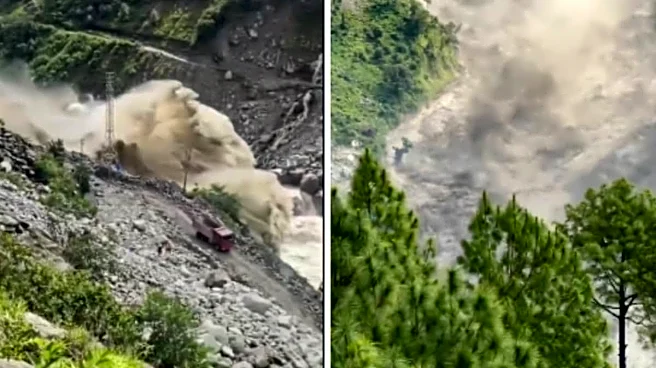
The primary trigger of the catastrophe is suspected to be a massive ice-rock avalanche or Glacial Lake Outburst Flood (GLOF) high on the Tibetan side of the border. As millions of tonnes of ice, mud, and boulders tore down the narrow Lhende Khola gorge, the debris formed temporary blockages in high-altitude
river channels.
Geologists warn that when these unstable debris dams burst under accumulating water pressure, they unleash violent, secondary surges. With unstable mudslides still clogging upper tributaries, the risk of another sudden wall of water remains critically high.
Treacherous Himalayan Funnel Topography
The natural geography of the region drastically amplifies the threat:
- Natural Funnels: Deep, steep-sided river gorges act as giant funnels, accelerating water speeds as it hurtles down towards the plains.
- Massive Sediment Load: The initial wave dislodged vast quantities of earth and boulders, creating dense mudflows capable of sweeping away concrete bridges and heavy machinery in seconds.
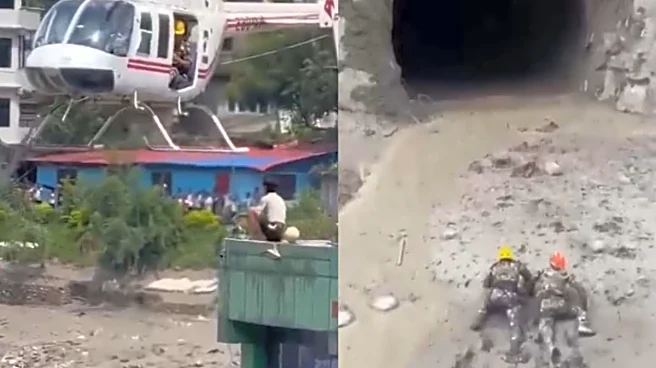
- Helicopter Groundings: Extreme high-altitude weather and steep terrain mean rescue helicopters cannot land safely until water levels stabilise and sediment settles.
Race Against Time for Stranded Pilgrims and Locals
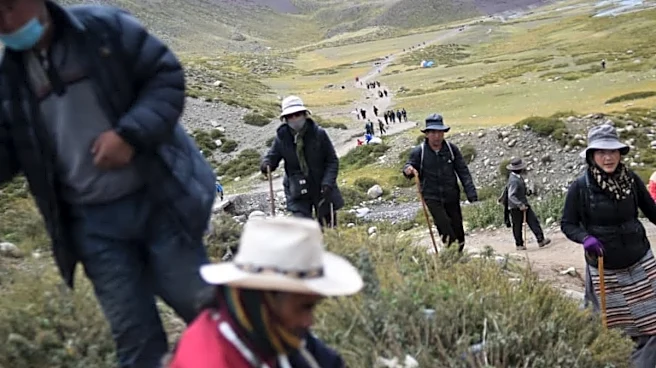
The sudden wall of water struck near the vital Gyirong Port border crossing, destroying critical infrastructure, snapping power lines, and severing communications. Hundreds of travellers, including dozens of Indian pilgrims on their way to the Kailash Mansarovar Yatra, remain unaccounted for across the isolated Himalayan corridor.
The Nepal Army, Armed Police Force, and specialised search teams are utilising drones, sniffer dogs, and emergency satellite equipment to locate pockets of survivors isolated on cliff edges and high ground before any secondary flood strikes.
Downstream Shockwaves in India
Because the Bhote Koshi flows directly into the Trishuli and Narayani river systems, the crisis extends far beyond the mountain border. Indian authorities in northern Bihar and Uttar Pradesh have placed several border districts on high alert.
As emergency teams monitor river levels in real time, the window for airborne and ground rescues along the Nepal border remains dangerously narrow.

/images/ppid_59c68470-image-178816004222644471.webp)

/images/ppid_59c68470-image-178814275479620282.webp)