


Baisakhi 2026 Date History Significance: Baisakhi, also called Vaisakhi, is one of the most significant festivals celebrated across India, particularly in the state of Punjab. It marks the beginning of the harvest season and holds special religious significance for both Hindus and Sikhs. This vibrant festival, which falls on April 14, 2026, is a time for celebration, prayer, and family gatherings, as people celebrate their cultural heritage and religious traditions.
When Is Baisakhi 2026?
In 2026, Baisakhi will be celebrated on April 14. According to Drik Panchang, The moment of Vaishakhi Sankranti will occur at 09:39 AM, marking the shift of the Sun into Aries. This event holds immense significance for farmers, as it signals the start of the new harvest season.
Baisakhi 2026: History
It
was on this day in 1699 that Guru Gobind Singh, the tenth Sikh Guru, established the Khalsa Panth in Anandpur Sahib, Punjab. Guru Gobind Singh chose Baisakhi to form the Khalsa, a group of committed soldiers who were dedicated to protecting the oppressed and fighting tyranny.
This was a monumental moment in Sikh history, as the Guru abolished caste distinctions and emphasized the equality of all people.
Baisakhi also marks the transition from the era of the Gurus to the eternal guidance of the Guru Granth Sahib, the holy scripture of Sikhism, which is now revered as the eternal Guru.
Baisakhi 2026: Significance
For farmers, Baisakhi is not just about the start of a new harvest season but also about expressing gratitude for the bountiful crops that sustain their families. The festival also symbolises a spiritual renewal, as many Sikhs and Hindus visit temples and gurdwaras (Sikh places of worship) for prayers and blessings.
In addition to its agricultural and religious significance, Baisakhi is also a time for people to reflect on the social and spiritual values espoused by Guru Gobind Singh, including equality, justice, and selflessness.
How Is Baisakhi Celebrated?
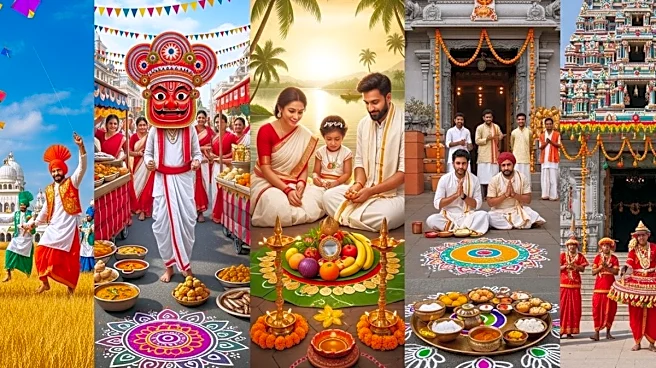
Baisakhi celebrations are marked by traditional dances, such as Bhangra and Gidda, where people dress in colourful traditional attire, dance to drumbeats, and sing folk songs.
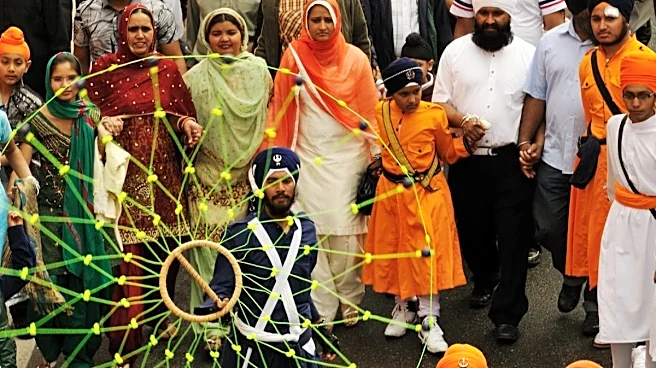
The streets come alive with vibrant processions led by the Panj Pyare (Five Beloved Ones), who are followed by devotees.
The nagar kirtans (religious processions) are accompanied by chanting hymns and prayers, creating a spiritual atmosphere in the community.
In addition to the cultural celebrations, people indulge in special feasts, with traditional dishes like kadhi, meethe chawal, kesari phirni, and kada prasad being prepared at homes and gurdwaras.
For Sikhs, the day is also marked by seva (selfless service), with volunteers preparing and serving food to all visitors in a spirit of equality.
Baisakhi 2026: Religious Observances
- On Baisakhi, many people rise early, take a bath, and visit their local gurdwara or temple to pray.
- Special prayers are recited, and langars (community kitchens) serve free meals to those in need.
- Sikhs commemorate the day with immense reverence as they recall the historic formation of the Khalsa and Guru Gobind Singh’s declaration of equality among all people.
- For Hindus, Baisakhi marks the beginning of the Solar New Year, symbolizing the renewal of life and the harvest.
Baisakhi Around the World
While Baisakhi is predominantly celebrated in Punjab, the festival has spread globally with large Sikh and Punjabi communities living across the world.
Cities like London, Toronto, and San Francisco host vibrant Baisakhi processions and cultural programs, where people from all backgrounds come together to celebrate this special day.
Baisakhi is a reminder of the deep cultural roots and spiritual principles that define the Sikh community. It’s a time for unity, reflection, and celebration, as people from all walks of life come together to celebrate the harvest, their shared heritage, and the timeless teachings of Guru Gobind Singh.







/images/ppid_a911dc6a-image-177571456246914781.webp)