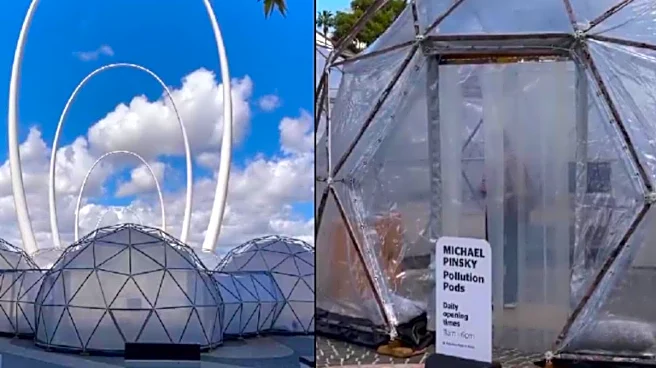

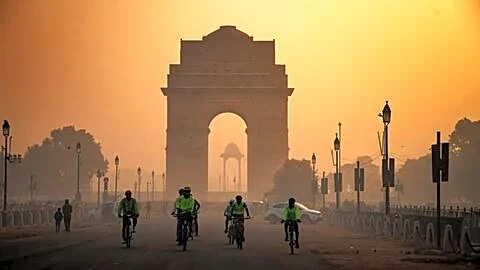

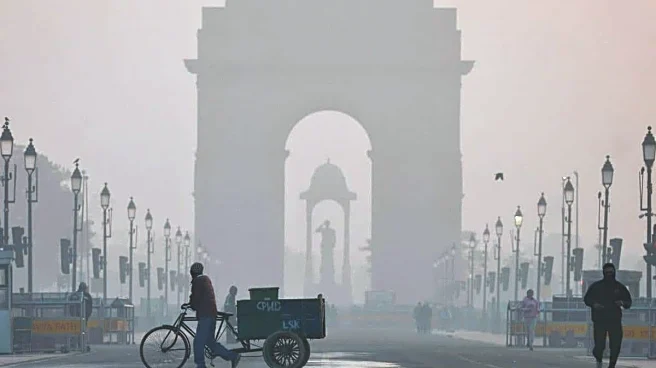
What does Delhi’s polluted air actually feel like to someone who has never experienced it? An unusual installation in Perth, Australia, is attempting to answer that question without exposing visitors to genuinely toxic pollution.
Visitors to Elizabeth Quay in Perth can now walk through the smell and haze of Delhi’s air without leaving Australia. British artist Michael Pinsky’s installation, Pollution Pods, has opened in Western Australia, presenting five interconnected domes that recreate the climate, visibility and distinctive smells of London, New Delhi, São Paulo, Beijing and the clean air of Tautra in Norway. Presented by the Royal Automobile Club of Western Australia, the free installation runs daily until 1 November and aims to make the invisible
effects of pollution tangible.
The pods do not contain the exact chemical mix or measured pollution levels of those cities. Specialists from International Flavours & Fragrances worked with the artist to recreate atmospheric character through scent and visual density.
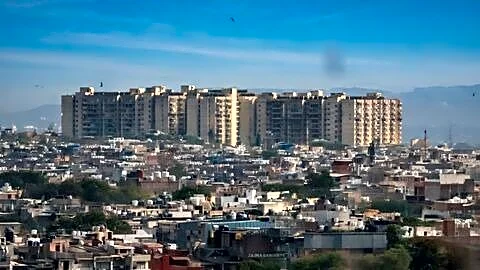
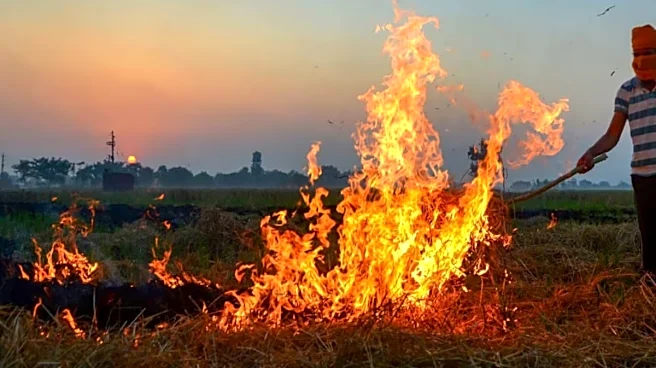
The New Delhi pod uses a scent developed with specialist perfumers to evoke pollution associated with vehicle emissions, burning wood, agricultural fires and waste. However, it is important to clarify that the pods do not reproduce the exact chemical composition or measured pollution levels of these cities. They are designed as a safe sensory simulation rather than an actual exposure experiment. The Print
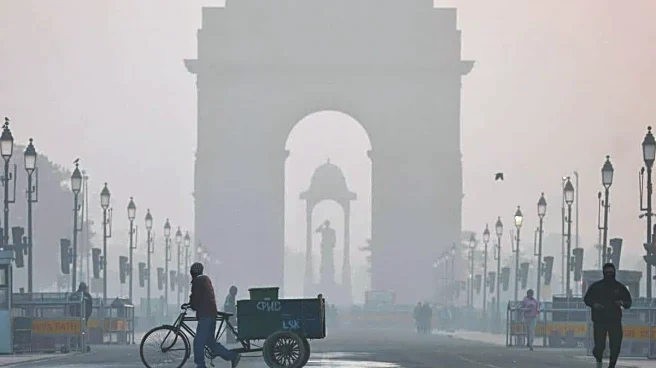
As Delhi’s AQI has recently crossed 350, the installation arrives at a moment when the real health stakes of prolonged exposure are hard to ignore.
What Makes Polluted Air Harmful?
Air pollution is not simply about visible smog. Some of the most concerning pollutants are microscopic and can remain largely invisible.
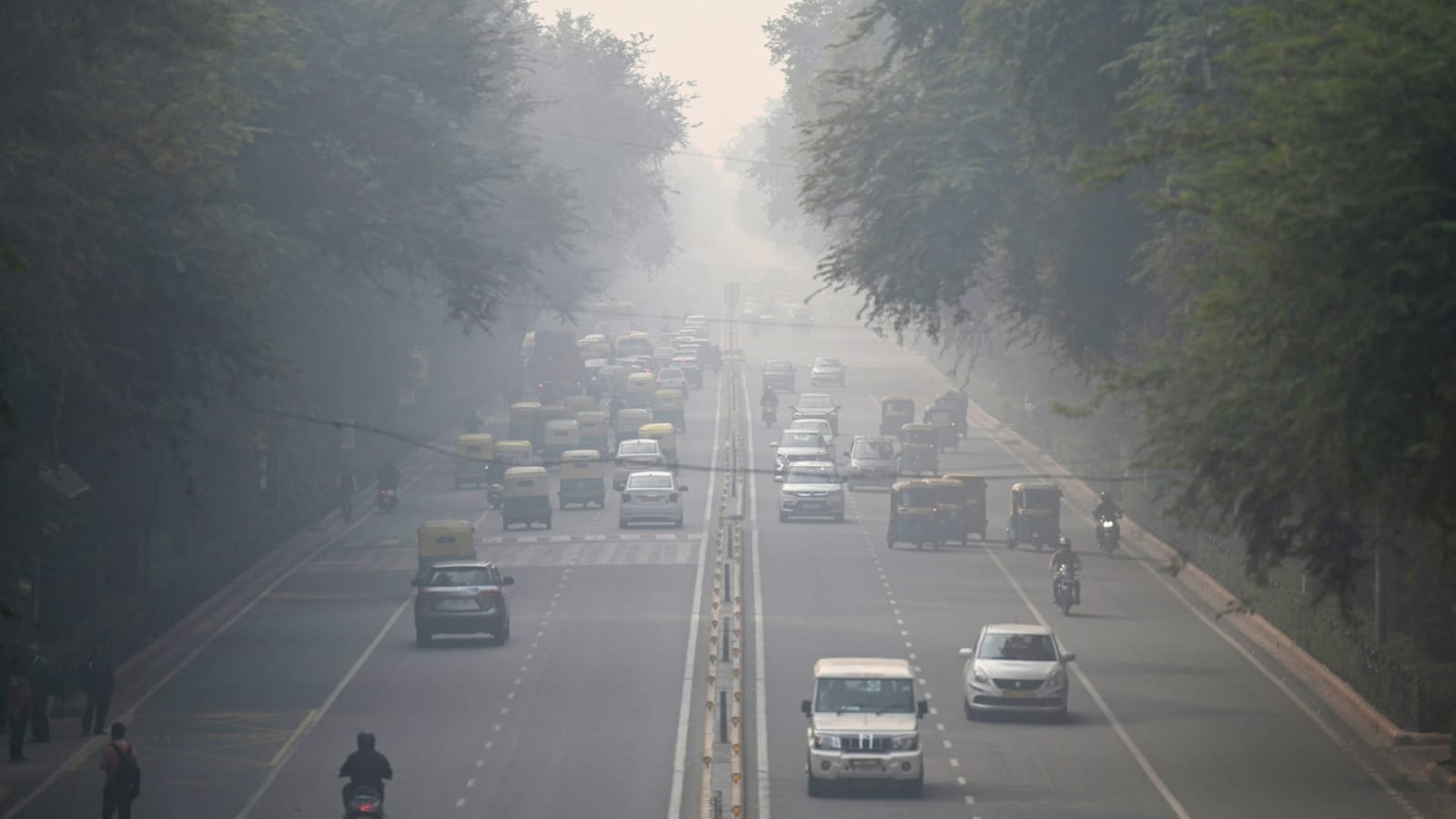
Fine particulate matter, particularly PM2.5, consists of particles measuring 2.5 micrometres or less. Because of their tiny size, they can travel deep into the lungs and, under certain conditions, enter the bloodstream. Other pollutants of major health concern include nitrogen dioxide, ozone, sulphur dioxide and carbon monoxide
The University of Melbourne has previously noted that the health impact of polluted air can extend well beyond the respiratory system. Its research explains that particulate matter can contribute to cardiovascular, cerebrovascular and respiratory problems. Pursuit
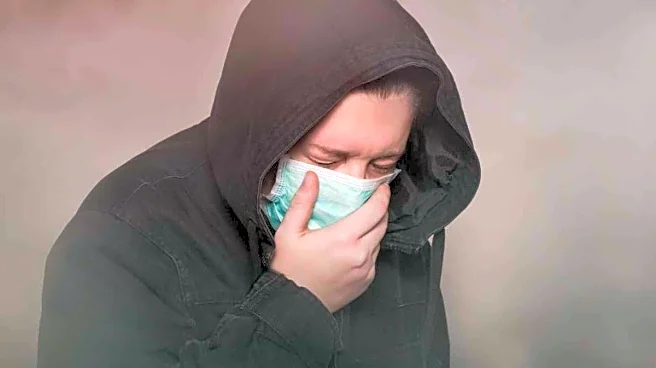
The first impact can be on your lungs
The lungs face the most direct assault. Smog causes inflammation deep in the airways, reduces lung function, worsens asthma and damages the lungs’ natural defence mechanisms. Repeated exposure can affect the delicate air sacs responsible for oxygen exchange, lower overall lung capacity and raise susceptibility to respiratory infections. Long-term exposure to outdoor air pollution is an established risk factor for lung cancer.
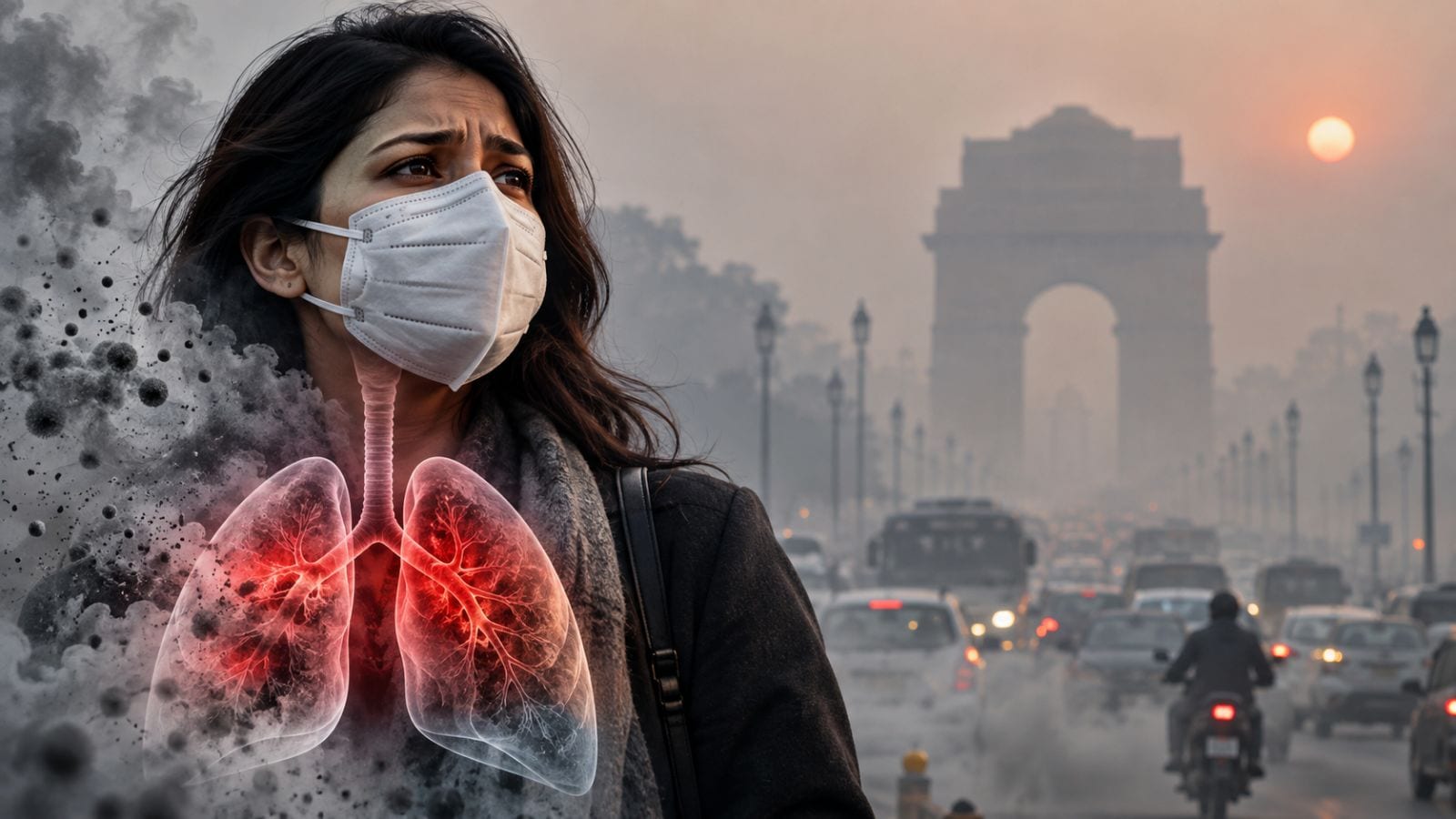
Repeated or prolonged exposure is more concerning. According to the World Health Organization (WHO), long-term exposure to fine particulate matter is associated with increased risks of chronic obstructive pulmonary disease (COPD), respiratory infections, lung cancer, stroke and heart disease. World Health Organization
Your Heart and Blood Vessels
The lungs are often the first point of contact, but some fine particles can pass from the lungs into the bloodstream. This can contribute to systemic inflammation and affect blood vessels and other organs.
Cardiologists note that air pollution is a significant risk factor for heart attacks, strokes, high blood pressure and heart failure. Prolonged exposure can accelerate atherosclerosis, the buildup of fatty plaques in artery walls, impair the function of blood vessels and increase the tendency for clots to form. Pollution can also raise blood pressure and disturb the heart’s electrical rhythm, worsening existing heart failure.
Affect on Brain
The concern is not restricted to the lungs and heart. WHO notes that emerging evidence links air pollution exposure with cognitive impairment and neurological conditions, although the strength of evidence varies across individual outcomes. World Health Organization
This matters because pollution exposure is not necessarily something the body can simply filter out through the respiratory system. Once certain fine particles and pollutants enter circulation, their effects can extend throughout the body.
Who Faces the Highest Risk?
Children, pregnant women, older adults and people living with asthma, diabetes, hypertension, high cholesterol or existing heart disease need particular protection. Their physiological systems are either still developing, under extra demand, or already compromised, making the inflammatory and cardiovascular effects of polluted air more consequential.
How to Protect Yourself During Severe Pollution?
- A properly fitted N95 mask outdoors, a HEPA air purifier indoors, and checking the AQI before outdoor exercise form the basic defence.
- Strenuous outdoor workouts should be avoided when pollution is high.
- Windows are best kept closed during peak smog hours, and indoor sources of pollution such as cigarette smoke, incense and mosquito coils should be minimised.
- Exercise itself should not be abandoned; it can be moved indoors while prescribed medications continue as directed.
- Chest pain, sudden breathlessness, fainting or sudden weakness on one side of the body require immediate medical attention.
The Perth installation is not a medical experiment and does not recreate Delhi’s actual toxic air. Its purpose is more straightforward: to make an invisible public-health problem easier to understand through sensory experience.
The concept was first created by Michael Pinsky and has previously been exhibited in places including Melbourne, London, New York and Madrid. The University of Melbourne described the installation as a way of allowing people to experience, safely, the contrast between relatively clean air and the polluted environments of cities including New Delhi and Beijing.
For a city like Delhi, where seasonal pollution can become a recurring public-health challenge, the bigger message is therefore not about what smog smells or feels like. It is about what repeated exposure can do quietly, over time, to the lungs, heart, blood vessels and potentially other organs.