
/images/ppid_a911dc6a-image-177753523099285377.webp)


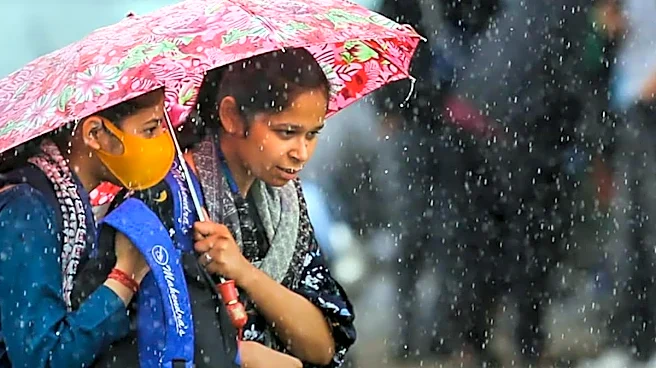
Just days after battling scorching heat nearing 45°C, Delhi-NCR and several parts across India were hit by sudden heavy rains, and even hailstorms were reported in some areas.
While the drop in temperature brought instant relief, this abrupt weather shift can quietly take a toll on your health.
Rapid changes in temperature, humidity, and air quality create the perfect conditions for infections, allergies, and seasonal illnesses. Here’s how these sudden summer showers can affect you—and what you can do to stay safe.
Common Health Problems During Sudden Summer Rains
Your body takes time to adjust to environmental changes. When extreme heat is suddenly replaced by rain and cooler winds, your immune system can get stressed. Add to that increased humidity
and damp surroundings, and it becomes easier for viruses, bacteria, and allergens to thrive.
1. Cold, Cough, and Viral Infections
A sudden drop in temperature can temporarily weaken your immune response, making it easier for viruses to infect you. This is why many people experience sore throat, runny nose, mild fever, or body aches right after such weather changes.
2. Allergies and Breathing Issues
Rainfall after long dry spells often disturbs settled dust, pollen, and pollutants, releasing them into the air. This can trigger allergic reactions like sneezing, itchy eyes, and congestion, and may worsen conditions like asthma or bronchitis.
3. Digestive Problems
Humidity and poor hygiene conditions during the rains increase the risk of bacterial growth in food and water. Consuming contaminated or improperly stored food—especially from outside—can lead to stomach infections, food poisoning, diarrhoea, or nausea.
4. Skin Infections
Damp weather, sweat, and staying in wet clothes for long periods create a breeding ground for fungi and bacteria. This can lead to issues like rashes, itching, athlete’s foot, and other fungal infections, especially in skin folds.
5. Mosquito-Borne Diseases
Water accumulation in open areas, coolers, and clogged drains after rains becomes an ideal breeding ground for mosquitoes. This raises the risk of diseases like dengue, malaria, and chikungunya in the days following heavy showers.
6. Heat Stress Confusion
Even though the weather suddenly feels cooler, your body may still be recovering from prolonged heat exposure. This mismatch can cause fatigue, headaches, dehydration, or dizziness, especially if you reduce your water intake too quickly.
Who Needs to Be Extra Careful?
- Children and elderly people, as their immunity is more vulnerable to sudden changes
- Those with asthma or respiratory conditions, who may experience flare-ups
- People with weak immunity or chronic illnesses
- Individuals already recovering from heat-related conditions like dehydration or heat exhaustion
How to Stay Safe During Sudden Weather Changes
Stay Hydrated: Even if the temperature drops, your body still needs adequate fluids to recover from previous heat exposure and maintain immunity.
Avoid Getting Drenched: Getting soaked in rain and remaining in wet clothes for long can lower your body temperature and increase the risk of infections.
Eat Fresh, Home-Cooked Food: Opt for freshly prepared meals and avoid street food, as contamination risks are higher during humid conditions.
Maintain Personal Hygiene: Wash your hands regularly, keep your surroundings clean, and avoid touching your face frequently to reduce infection risk.
Use Mosquito Protection: Prevent water stagnation around your home and use repellents, nets, or sprays to avoid mosquito bites.
Dress Smartly: Carry an umbrella or light jacket to protect yourself from sudden rain and temperature dips.

/images/ppid_a911dc6a-image-177762763660874573.webp)






/images/ppid_a911dc6a-image-177771162387431759.webp)
/images/ppid_a911dc6a-image-177752962887550285.webp)

/images/ppid_a911dc6a-image-177764723431492580.webp)