

/images/ppid_a911dc6a-image-177770002510124748.webp)
If you look at how buildings are coming up today compared to even a decade ago, there’s a clear shift. It’s not just about glass facades and height anymore. More projects are being designed with a simple question in mind: how do we use less energy, less water, and still create comfortable spaces?
That’s where green buildings come in. Certifications like LEED and GRIHA have pushed developers to think differently. And India, interestingly, has moved up quite fast in this space, with a growing number of certified projects across cities.
What’s important is that these buildings are not just “good for the environment” in theory. They actually make everyday use more efficient.
Here are some of the better-known examples.
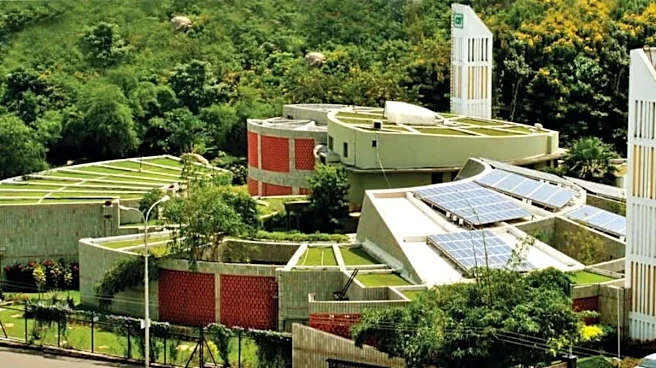
- CII Sohrabji Godrej Green Business Centre
This is often where the conversation starts. It was one of the first buildings in India to take sustainability seriously. Instead of relying on heavy air-conditioning and artificial lighting, it uses natural light, solar energy and smarter cooling. - Suzlon One Earth
This campus in Pune feels like it was built with energy use in mind from day one. A large part of its power comes from wind and solar, and the layout itself helps keep consumption lower. - ITC Green Centre
One of the earlier corporate buildings to go green, and you can see it in the basics. Lighting, water use, materials everything is thought through without being overcomplicated. - Indira Paryavaran Bhawan
What makes this building stand out is that it produces as much energy as it uses. That’s not easy to achieve, especially for a government building, but careful planning and solar power make it work. - ITC Grand Chola
It’s a large luxury hotel, so you wouldn’t expect sustainability to be a focus. But it manages water well, uses energy carefully and handles waste in a structured way, which is impressive at that scale. - Patni Knowledge Centre
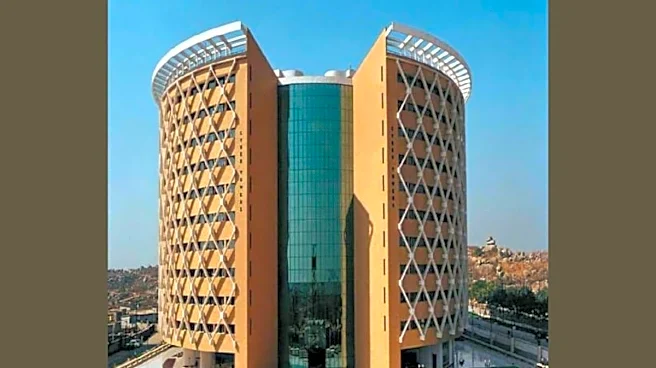
A simple idea done well here. The building is designed to bring in as much daylight as possible, so you don’t need lights through most of the day. It sounds basic, but it makes a real difference. - Nalanda University Campus
This one takes a long-term view. Solar energy, water management and climate-friendly design all come together, especially suited to the region it’s built in. - Punjab National Bank Headquarters
A more practical example of a green office. It uses solar power, manages water better and reduces energy demand through design rather than expensive add-ons. - Coal India Limited Headquarters
Nothing flashy here, but that’s the point. Better insulation, smarter lighting and material choices quietly bring down energy use. - Infosys Mysuru Campus
One of the more visible examples of a green campus. It combines energy-saving systems, water recycling and open green spaces in a way that actually works at scale.
Why this is becoming more common
Earlier, green buildings were seen as a niche idea or something expensive. That’s changing. Lower power bills, better working conditions and long-term savings are making them more practical, not just idealistic.
The takeaway
As cities get more crowded, the pressure on resources will only increase. Buildings like these show that you don’t have to choose between growth and sustainability. With the right design, you can have both and that’s probably where construction is headed next.


/images/ppid_a911dc6a-image-177789510221992673.webp)