
/images/ppid_59c68470-image-178960752420974633.webp)

/images/ppid_59c68470-image-178963005582382546.webp)
Pakistan and its all-weather friend China are seeking Iran’s help to rein in Yemen’s Houthis after the group’s military blitz over the past week, with rapid advances along the Red Sea coast and around the Bab el-Mandeb Strait exposing Saudi oil exports and shipping to greater risks.
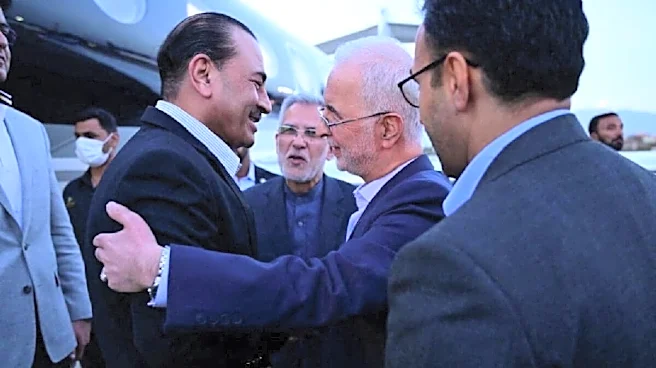
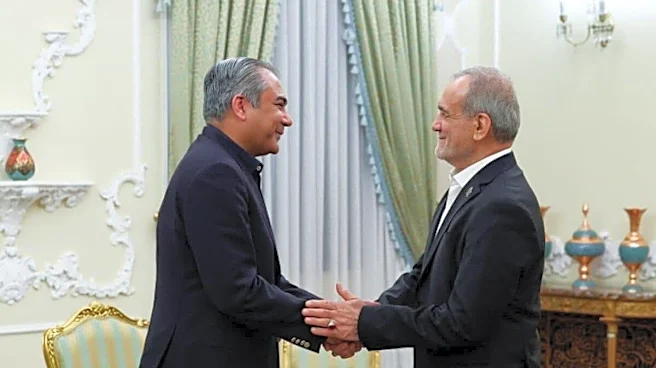
Pakistan Army chief Field Marshal Asim Munir urged Iran to use its influence over the Houthis to help prevent attacks on Saudi Arabia’s energy infrastructure, amid concerns over threats to key energy sites.
Munir raised the issue during a call with Iranian Foreign Minister Abbas Araghchi, with the conversation focusing on Saudi Arabia’s energy security and the threat posed by Houthi strikes.
Pakistan sought Tehran’s help in curbing attacks by the Houthis on Saudi energy
infrastructure, asking Iran to leverage its influence to prevent further strikes.
The call between Munir and Araghchi comes as Islamabad raises concerns over the security of Saudi Arabia’s energy sites and seeks Tehran’s intervention to help protect critical infrastructure.
China Also Seeks Iran’s Help
China has privately asked Tehran to help rein in the Houthis following an appeal from Saudi Arabia, according to three Iranian sources familiar with the matter.
Riyadh turned to Beijing for help after the Houthis made rapid advances along the Red Sea coast and around the Bab el-Mandeb Strait, moves that have left Saudi oil exports and shipping more exposed, the sources said.
China has publicly called for restraint, dialogue and the restoration of safe navigation. However, its private message to Tehran went further than its public statements, according to the sources.
Beijing wants Iran to use its influence with the Houthis to help prevent the conflict from spreading further across energy routes on which China, the world’s second-largest economy, depends.
China also called for an end to actions that further complicate the situation and urged all sides to resolve issues through dialogue and negotiation.
Why China Is Concerned
China has been Iran’s largest trading partner for more than a decade and remains the main buyer of its oil. Chinese purchases accounted for more than 80% of Iran’s seaborne oil exports in 2025, averaging about 1.4 million barrels per day, according to commodities data and analytics firm Kpler.
The Houthis, who emerged in the 1990s in opposition to Saudi Arabia’s Sunni religious influence in Yemen, are armed, trained and funded by Iran. They form part of Tehran’s anti-Western, anti-Israel “Axis of Resistance”.


/images/ppid_59c68470-image-178964503042783239.webp)

/images/ppid_59c68470-image-178964756792848798.webp)

/images/ppid_59c68470-image-178965260077875552.webp)