
/images/ppid_59c68470-image-1775672532628398.webp)
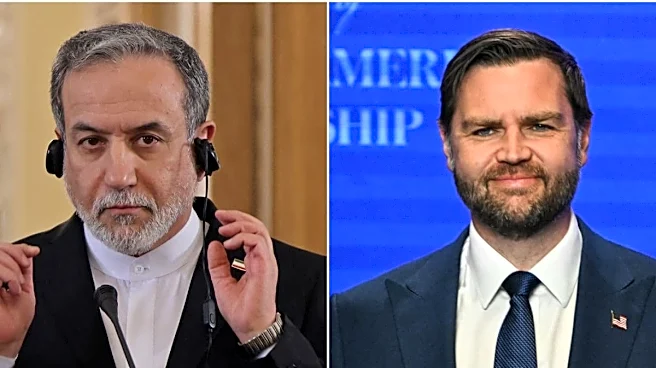
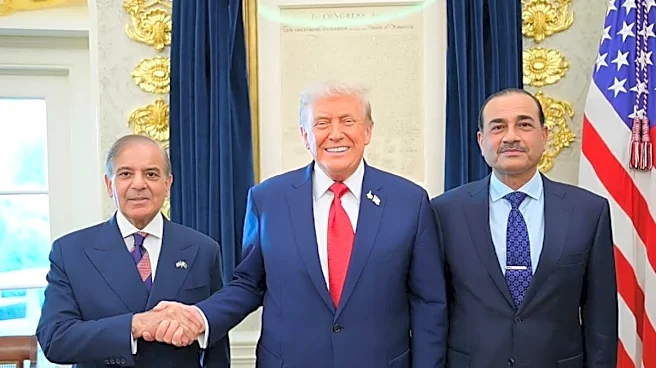
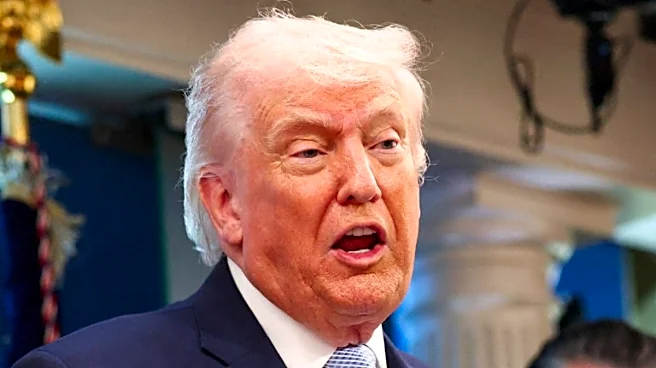
The diplomatic stage in Islamabad is set for what may be the most consequential high-wire act of the decade. On Saturday, US Vice President JD Vance will lead a high-powered Washington delegation—including Special Envoy Steve Witkoff and Jared Kushner—to begin formal peace negotiations with Iranian officials. Following a fragile two-week ceasefire announced by President Donald Trump and Pakistani Prime Minister Shehbaz Sharif, the “Islamabad Talks” represent a desperate pivot from the brink of total regional war towards a structured, if precarious, settlement.
What are the primary terms of the Islamabad Accord?
The framework for Saturday’s discussion, dubbed the “Islamabad Accord”, centres on a two-phased approach to de-escalation. The immediate priority is the unconditional and permanent reopening
of the Strait of Hormuz. Following weeks of blockades that sent global oil and jet fuel prices to record highs, the US is demanding guaranteed maritime security. In a notable shift, President Trump has suggested a “joint venture” to manage the waterway, though Washington insists that traffic must resume without Iranian tolls or military interference.
In exchange, the US has signalled a willingness to discuss comprehensive sanctions relief and the unfreezing of billions in Iranian assets. However, this is contingent on the “Phase 2” negotiations, which involve a 45-day window to establish a permanent peace treaty. For Washington, the “red line” remains non-negotiable: the total cessation of Iran’s nuclear enrichment and the physical removal of what Trump described as “nuclear dust” from deeply buried facilities.
Which Iranian demands will JD Vance have to navigate?
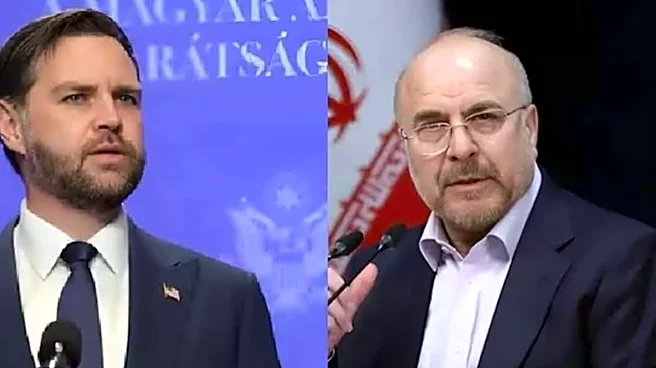
The Iranian delegation, led by Parliament Speaker Mohammad Bagher Ghalibaf and Foreign Minister Abbas Araghchi, is entering the talks with a 10-point proposal that directly challenges Western military posture in the Middle East. Chief among their demands is the full withdrawal of US troops from the region and a formal protocol that recognises Iranian sovereignty over the Strait of Hormuz.
Furthermore, Tehran has added a significant eleventh-hour complication: the inclusion of Lebanon in the ceasefire terms. Foreign Minister Araghchi has warned that the US must choose between “ceasefire or continued war via Israel”, asserting that Iranian commitment to the truce is tied to the cessation of Israeli strikes on Hezbollah targets. JD Vance has already pushed back on this, stating that while the US has urged Israeli restraint, Lebanon was not part of the initial bilateral agreement struck between Washington and Tehran.
Who are the key figures at the negotiating table?
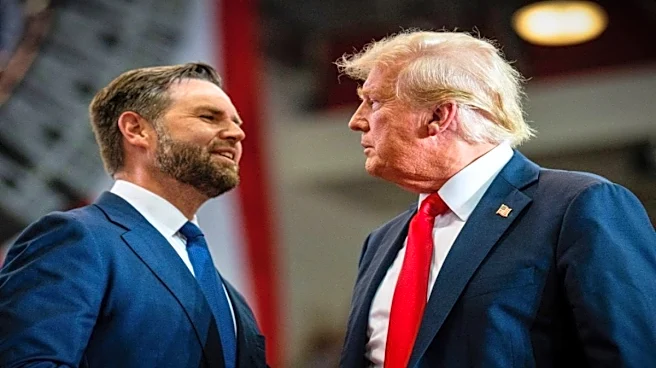
The composition of the American delegation underscores the personal nature of this administration’s diplomacy. By dispatching JD Vance alongside Jared Kushner and Steve Witkoff, President Trump is utilising his most trusted inner circle rather than relying solely on traditional State Department channels. Vance has been tasked as the “interlocutor”, a role that requires him to balance the administration’s hawkish rhetoric with the pragmatic need to avoid a “civilisational” conflict.
On the opposite side, the presence of Mohammad Bagher Ghalibaf is equally telling. A former Revolutionary Guards commander, Ghalibaf represents the pragmatic-conservative wing of the Iranian leadership that has gained domestic influence during the recent hostilities. His involvement suggests that any deal reached in Islamabad will have the necessary backing from Iran’s military and security establishment, provided the “complete mistrust” currently felt in Tehran can be bridged.
What happens if the Saturday talks fail?
The stakes for the Islamabad meeting could not be higher. Vice President Vance has described the current truce as “fragile”, noting that attacks on energy infrastructure continued even in the hours following the ceasefire announcement. The White House has made it clear that if Iran does not move towards a “definitive agreement” during these sessions, the US maintains the option to resume military operations.
With the world’s financial markets currently buoyed by the prospect of peace, any breakdown in the Islamabad dialogue would likely trigger an immediate return to volatility. As Prime Minister Shehbaz Sharif prepares to host these historic sessions, the global community is watching to see if the “Islamabad Accord” can transform a temporary pause in bombing into a sustainable blueprint for regional stability.
/images/ppid_59c68470-image-177587253574223106.webp)

/images/ppid_59c68470-image-177584505670191727.webp)
/images/ppid_59c68470-image-177574760457254768.webp)