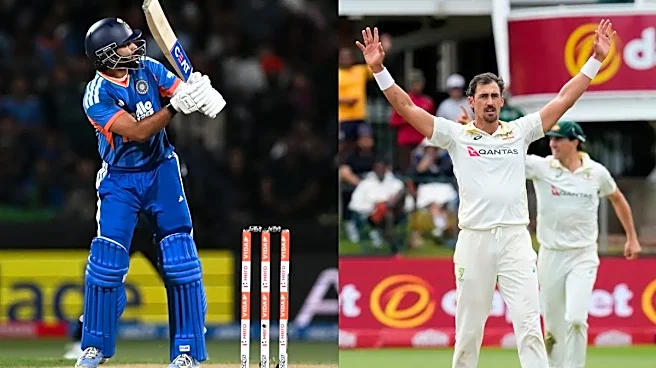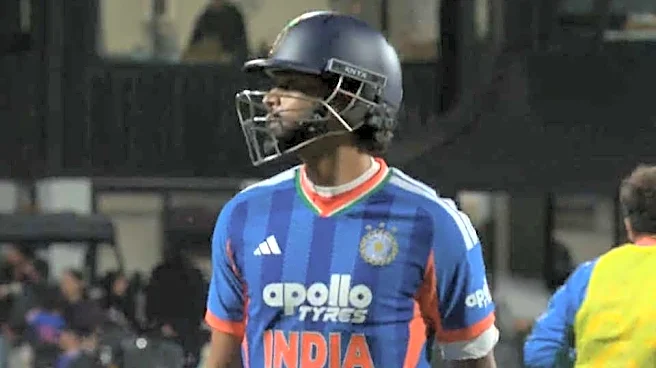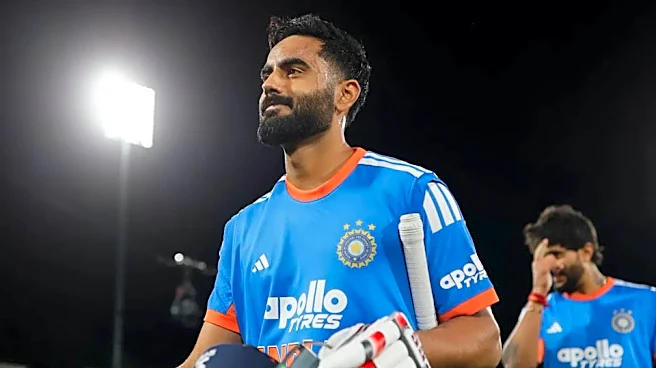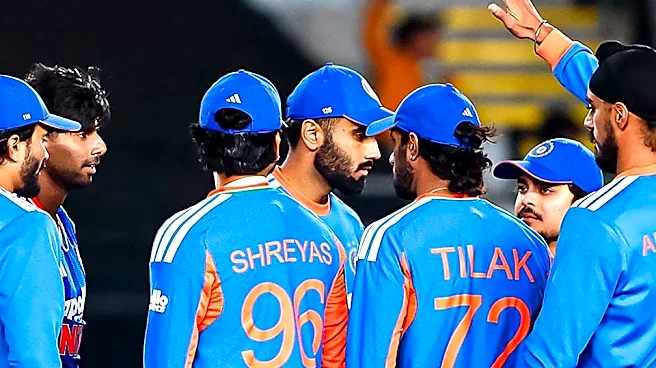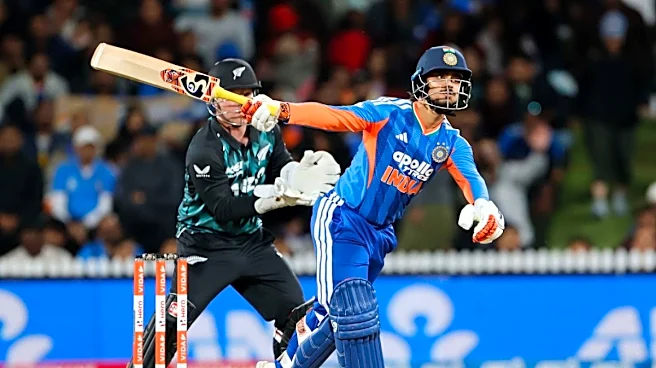


India rewrote cricket’s history on Sunday (November 1), becoming the first team in the world to hit 400 sixes in a calendar year. In the team’s 40th match of 2026, against New Zealand at Seddon Park in Hamilton, Indian batters smacked 11 sixes to take them to exactly the 400-sixes mark.
The previous best record was 326 from Austria in 2025, and for a full-member nation, it was all the way down to 289 for India in 2022, in an identical 40 matches. This means in 2022, India were averaging 7.2 sixes/match, which has jumped to 10/match in four years.
The milestone six came from all-rounder Naman Dhir, who top-edged a flick against Blair Tickner over the fine-leg fence in the 19th over of the innings. India scored 191/8 in the first innings, with Ishan
Kishan contributing five sixes during his 32-ball 61, Shreyas Iyer chipping in with four for his 23-ball 50 and Nitish Reddy adding the 10th.
Most sixes in a calendar year
| Rank | Team | Year | Matches | Sixes |
|---|---|---|---|---|
| 1 | India | 2026 | 40 | 400 |
| 2 | Austria | 2025 | 36 | 326 |
| 3 | India | 2022 | 40 | 289 |
| 4 | Bahrain | 2025 | 39 | 239 |
| 5 | West Indies | 2024 | 27 | 238 |
| 6 | India | 2024 | 26 | 236 |
| 7 | Pakistan | 2025 | 34 | 235 |
| 8 | Austria | 2026 | 24 | 221 |
| 9 | West Indies | 2026 | 20 | 220 |
| 10 | West Indies | 2025 | 23 | 214 |
142 of the 400 sixes India have hit this year have come against New Zealand, which is also the world record for the most against an opposition in a calendar year.
What does this tell about cricket?
Let’s go back ten years. In 2016, India hit the second-most sixes for the year — 81 in 21 innings at 3.85 sixes/match. The batting pace in cricket has gone up around three-fold, with six-hitting at the centre of it. The bats have gotten better, the pitches have gotten flatter, and crucially for India, IPL’s domination has ensured that they get the best of the cream with the likes of Abhishek Sharma and Ishan Kishan in the team.
The time might not be far where a team would also breach the 500-sixes mark if the trajectory remains the same.