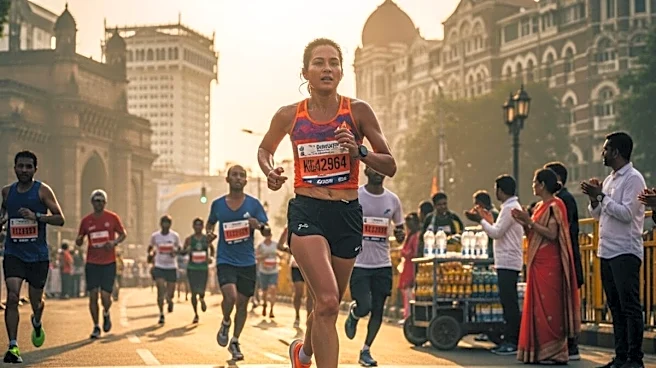




Marathon running symbolises peak physical fitness, discipline and healthy living. In Delhi, Mumbai and Bengaluru, several ultramarathon communities are emerging, highlighting how endurance running has increasingly become part of urban India’s wellness culture.
But a new study by The Washington Post highlighted how extreme endurance running place unexpected stress on the gut and potentially increase the risk of precancerous colon growths.
Researchers are not saying that marathon running causes colon cancer. Instead, the study adds to a growing body of research examining whether prolonged high-intensity endurance exercise may affect the body differently from moderate physical activity.
What The Study Actually Found
The research focused on 100 marathon
and ultramarathon runners between the ages of 35 and 50. All participants had completed at least five marathons or two ultramarathons and underwent colonoscopy screenings.
Researchers found that roughly 15% of participants had advanced adenomas — precancerous colon growths that can sometimes develop into colorectal cancer if left untreated. In the broader screening population, the expected prevalence is estimated to be around 4.5% to 6%.
The study also found that nearly 41% to 50% of runners had at least one colon polyp.
Those numbers immediately drew attention because endurance athletes are generally perceived as healthier than average adults.
Researchers believe repeated stress on the intestines during extreme endurance activity may partly explain the findings.
“Intestinal stress during endurance exercise occurs primarily because blood circulation is diverted away from the digestive tract to support exercising muscles. When the intestines receive less oxygen and nutrients for extended periods, the intestinal barrier can become temporarily compromised, resulting in inflammation and increased permeability. This is why some runners experience cramping, bloating, nausea, urgency to defecate or diarrhea during long races,” said Dr Prakruti Shah, Consultant Gastroenterology, Paras Health, Gurugram.
Severe dehydration, chronic gastrointestinal stress and repeated strain during long-distance races are also being explored as possible contributing factors.
Many marathon runners are already familiar with digestive problems during races. Nausea, stomach cramps, diarrhoea and gastrointestinal bleeding are not uncommon among endurance athletes, especially during ultramarathons or extreme heat conditions.
Rising Colon Cancer In Younger Adults
The study arrives at a time when doctors globally are already concerned about increasing colorectal cancer cases among younger adults.
Globally, over 1.9 million people are newly diagnosed with colorectal cancer each year, and the global five-year prevalence (the total number of people living with a diagnosis from the last five years) is estimated at 5.25 million people, per the World Health Organization (WHO).
In several countries, colorectal cancer has become one of the leading causes of cancer-related deaths among people under 50. This trend has prompted health authorities in multiple countries to lower recommended screening ages in recent years.
In India, nearly 64,000 new cases of colorectal cancer are reported, with over 64,000 cases reported in men and 40,000 in women. India is one of the top countries globally for absolute new colorectal cancer cases, ranking fourth behind Japan, China, and the US.
Researchers and doctors are still trying to understand why younger adults are increasingly being diagnosed with colorectal cancer.
When asked what precautions should people take against the colon cancer risk, Dr Shah said individuals should see a doctor immediately if they notice rectal bleeding, blood in stools, unexplained weight loss, chronic abdominal pain, persistent fatigue or iron-deficiency anemia. They should maintain a healthy weight, excercise regularly, eat a fibre-rich diet, and stop consuming processed food and red meat. Avoiding tobacco use and limiting alcohol intake are other factors that add to colorectal cancer risk, she said.
She stressed that people whose families have a history of colorectal cancer or inflammatory bowel disease should go for screenings.
Why Experts Are Urging Caution
Doctors and researchers have cautioned against overinterpreting the findings. The study was relatively small, involving only 100 runners. More importantly, it shows correlation, not direct causation. Researchers cannot conclude that marathon running itself caused the higher number of precancerous growths.
“The study reporting a higher prevalence of precancerous colon polyps among endurance runners is certainly noteworthy, it would be premature to conclude that extreme running directly causes colorectal cancer. The development of colorectal cancer is influenced by genetics, family history, dietary habits, obesity, smoking, alcohol consumption, chronic inflammation and environmental exposures,” said Dr Shah.
This study is questioning is not exercise itself, but whether repeated extreme endurance stress may affect the body differently from balanced physical activity.
Some sports medicine experts compare the debate to a “U-shaped curve” of exercise, where both too little movement and excessive physical strain may carry health risks.
Dr Shah further stressed that athletes should increase training intensity gradually rather than attempting sudden jumps in mileage. She advised proper hydration before, during and after exercise is critical as dehydration reduces intestinal blood flow and worsens gut injury. She warned that runners should avoid experimenting with unfamiliar foods before major events and ensure “adequate carbohydrate and electrolyte intake during prolonged exercise”. They must ensure “sufficient recovery periods” between training sessions to allow the gut, and the body to repair and adapt.
Marathon Culture Is Booming In India
The findings are particularly relevant for India because long-distance running culture has exploded over the last decade.
Major city marathons now attract tens of thousands of participants annually. Corporate professionals, fitness influencers and amateur runners increasingly train for half-marathons, full marathons and endurance events as part of modern wellness lifestyles.
But sports medicine specialists say many amateur runners may be overtraining without proper recovery, nutrition planning or medical supervision.
Social media has also intensified pressure around “extreme fitness” culture. Ultra-running, biohacking, fasting challenges and high-performance optimisation trends are becoming increasingly popular among urban professionals.
Doctors warn that some runners ignore warning signs because they assume digestive discomfort, fatigue or bowel irregularities are simply part of endurance training.
The use of supplements, energy gels, protein products and anti-inflammatory painkillers during marathon training may also complicate gut health further, though scientists are still studying these relationships.
India also faces another challenge of low awareness around colorectal screening.
Unlike countries where preventive colonoscopy screening is more common after middle age, many Indians still seek medical attention only after symptoms become severe. This often delays diagnosis.
Symptoms Runners Should Not Ignore
Doctors say endurance athletes should not panic because of the study. But they also should not dismiss persistent gastrointestinal symptoms as “normal”.
Warning signs may include blood in stool, recurring stomach pain, unexplained weight loss, persistent bowel changes, chronic fatigue, unusual bloating or ongoing digestive discomfort.
Some marathon runners may attribute these symptoms to dehydration, race stress or dietary changes and continue training without medical evaluation.
Gastroenterologists say repeated gastrointestinal bleeding during intense exercise should particularly not be ignored.
Experts also stress the importance of recovery. Hydration, balanced nutrition, adequate rest and avoiding excessive training loads remain critical parts of endurance fitness.




/images/ppid_a911dc6a-image-177918789136596159.webp)


/images/ppid_a911dc6a-image-177917489546940504.webp)
/images/ppid_59c68470-image-177919255298027613.webp)