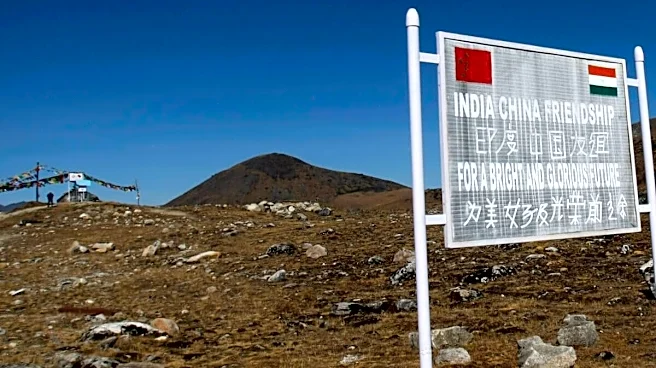

Chinese military deployment along the Line of Actual Control (LAC) saw a significant reduction in 2025, but the northern border continues to remain “stable yet sensitive”, according to the Ministry of Defence’s latest annual report.
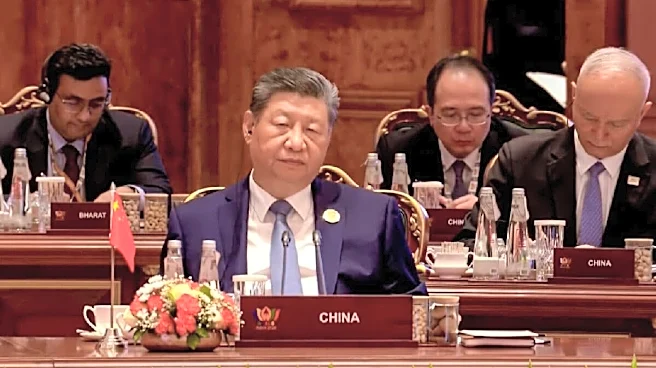
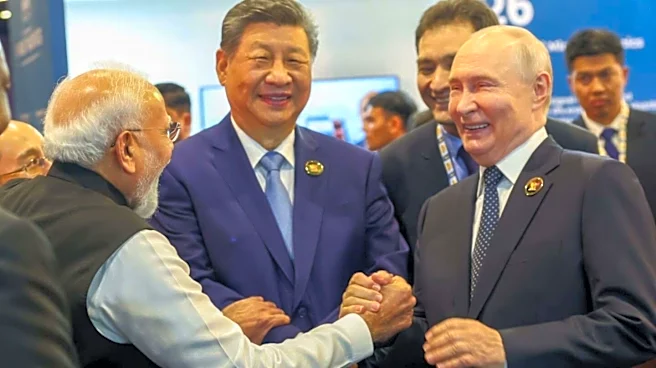
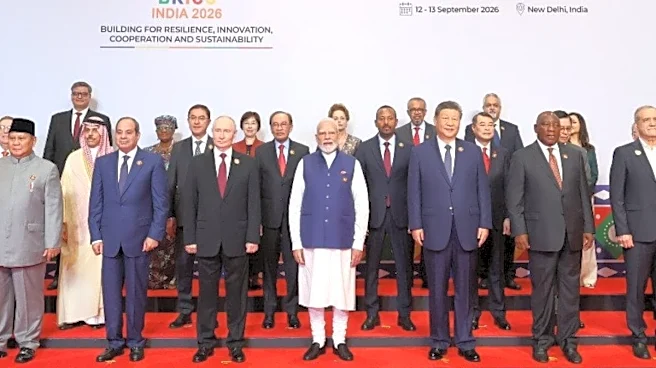
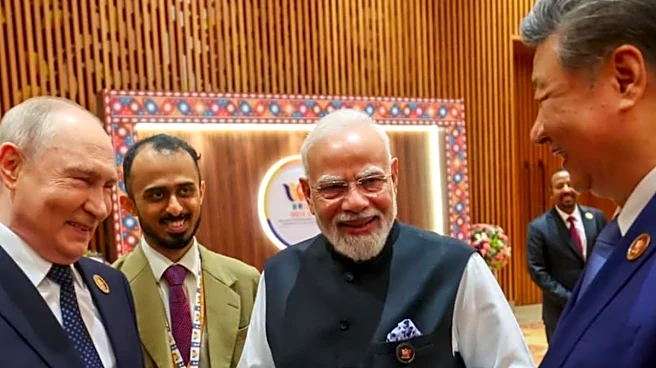
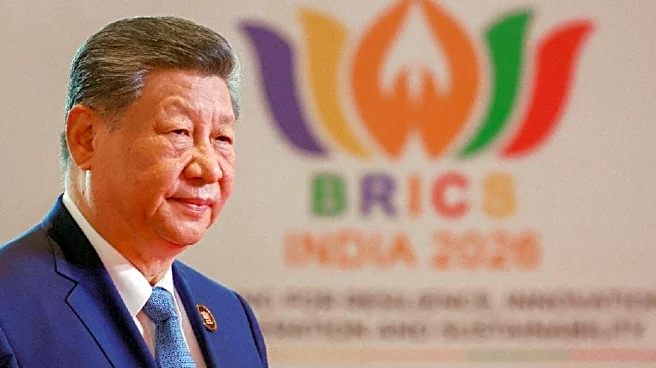
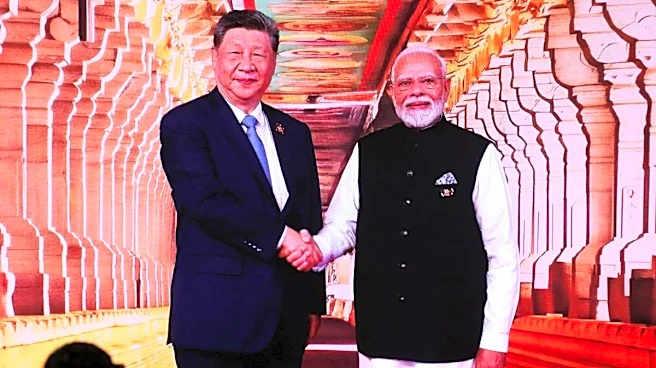
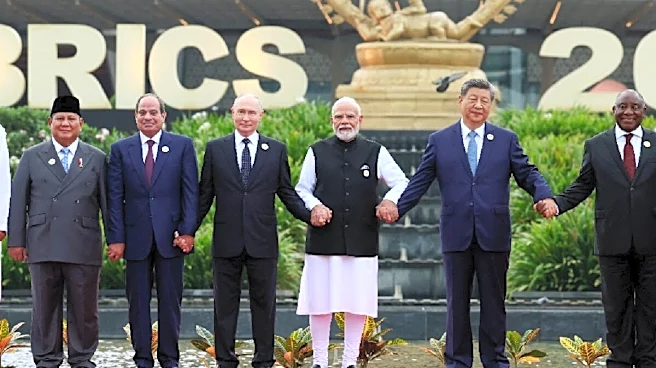
The 2025 assessment comes just a day after Prime Minister Narendra Modi and Chinese President Xi Jinping met on the sidelines of the BRICS Summit in New Delhi and agreed that maintaining peace and tranquility along the border was essential for taking India-China relations forward.
The MoD report said the reduction in Chinese deployment followed the disengagement agreement reached between India and China in 2024 in Depsang and Demchok. The lower deployment was recorded both along the northern borders and in China’s
traditional training areas.
ALSO READ | ‘We Can Support Each Other’: PM Modi, Xi Jinping Begin Bilateral Talks; Border, Trade In Focus
However, the report makes clear that the reduction does not mean the PLA has withdrawn from the wider border theatre.
10 PLA Brigades Still Maintained In Depth
According to the MoD assessment, the PLA maintained 10 Combined Arms Brigade-sized forces each in tactical/operational depth opposite India’s northern borders and in traditional training areas.
The report specifically notes that the overall BMP pattern remained unchanged from 2024. BMP, or Border Management Posture, broadly refers to the way forces are positioned and organised for operations along the frontier.
This means that while the overall number of troops deployed forward has come down, China continues to retain substantial military formations capable of being moved towards the LAC if required.
ALSO READ | BRICS And The India-China Thaw: 8 Steps That Brought Modi And Xi Back To The Table
The distinction is important because the post-2020 military build-up had seen both sides maintain large numbers of troops, equipment and supporting infrastructure close to the frontier. The MoD’s assessment therefore points to a reduction in the intensity of deployment rather than a complete military rollback.
The report also says that China continued to strengthen infrastructure and connectivity in areas close to the LAC, an issue that remains an important part of India’s assessment of the northern frontier.
Why The 10 Brigades Matter
A Combined Arms Brigade is a formation designed to conduct operations using different military capabilities together, including infantry, armoured elements, artillery and other supporting arms.
Their continued presence in tactical and operational depth means that China retains the ability to reinforce forward positions relatively quickly.
The MoD’s description of the border as “stable yet sensitive” reflects this reality. There has been no return to the peak confrontation levels seen after the Galwan Valley clash, but India continues to maintain a strong military posture along the northern frontier.
The report’s assessment also comes against the backdrop of China’s broader military infrastructure development in Tibet and Xinjiang, including roads, bridges, airfields and other logistical facilities that can support rapid mobilisation.
What Changed After The 2024 Disengagement?
The MoD has linked the lower PLA deployment directly to the disengagement understanding reached in 2024.
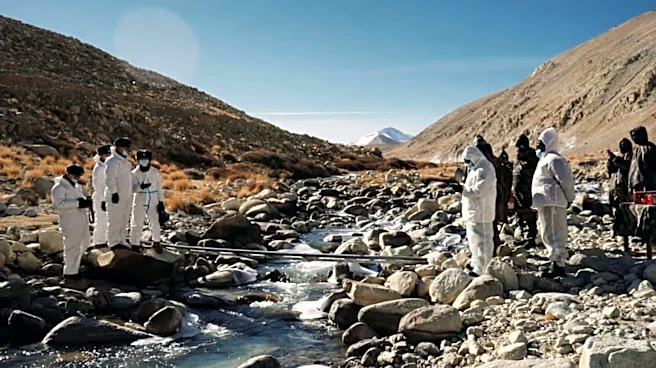
India and China completed disengagement in the Depsang and Demchok areas after reaching an agreement on patrolling arrangements in October 2024. That marked the most significant movement towards reducing the military confrontation that had continued for years after the 2020 Galwan clash.
The 2025 assessment now indicates that the disengagement was followed by a broader reduction in PLA deployment levels.
But the report does not suggest that the underlying boundary dispute has been resolved.
The Timing
The latest MoD assessment comes at a time when the political relationship between New Delhi and Beijing is also showing signs of a cautious thaw.
At their September 12 meeting in New Delhi, PM Modi and Xi agreed that differences should not become disputes and reiterated their commitment to finding a “fair, reasonable and mutually acceptable” solution to the boundary question.
PM Modi specifically told Xi that peace and tranquillity in the border areas remained an essential basis for the continued development of India-China relations. He also stressed that existing agreements and understandings relating to the border must be observed.
Xi, meanwhile, described India and China as “partners rather than rivals” and said the two countries should maintain peace and tranquillity along the border while pursuing a resolution of the boundary question.
The two sides also agreed to address economic concerns, including India’s trade deficit with China, supply-chain issues and market access.
A Long Way From Galwan Crisis
The reduction in PLA deployment is the latest step in a gradual de-escalation that began after years of military confrontation following the June 2020 Galwan Valley clash.
The clash led to the deaths of 20 Indian soldiers and four Chinese soldiers and triggered the biggest military mobilisation along the LAC in decades. For years afterwards, both sides maintained large troop deployments and military infrastructure along the frontier.
The turning point came with the October 2024 disengagement agreement covering Depsang and Demchok. Troop withdrawals were followed by the resumption of higher-level political engagement, including the Modi-Xi meeting at the Shanghai Cooperation Organisation summit in 2025 and the latest BRICS bilateral in Delhi.
In August 2026, the two countries also held the 25th round of talks between their Special Representatives on the boundary question. They agreed on mechanisms to address situations on the ground through diplomatic and military channels, additional meeting points for senior military commanders and two additional military hotline channels in the eastern and middle sectors.
The two sides also agreed to continue work on border management and to pursue an “early and substantial harvest” on aspects of boundary delimitation.
So, Has The LAC Really De-escalated?
The MoD report suggests yes, but only partially.
The forward deployment levels have come down compared with the intense mobilisation of the post-Galwan years. The 2024 disengagement has also reduced the possibility of an immediate confrontation at the earlier friction points.
But the continued presence of 10 Combined Arms Brigade-sized forces in tactical/operational depth and another 10 in traditional training areas, combined with the continuing infrastructure build-up, shows that China has not abandoned its military preparedness along the northern frontier.
That is why the MoD continues to describe the situation as “stable yet sensitive”.
For India, therefore, the latest picture is neither a return to the tense military stand-off of 2020 nor a complete normalisation of the border.
The military deployments have reduced, diplomatic channels have reopened and PM Modi and Xi are once again talking about the broader relationship. But the boundary remains unsettled and the PLA’s continued presence in depth means New Delhi is unlikely to treat the latest thaw as the end of the border challenge.


/images/ppid_59c68470-image-178931002597518485.webp)