
/images/ppid_59c68470-image-177501769903911215.webp)
/images/ppid_a911dc6a-image-177503563605160464.webp)
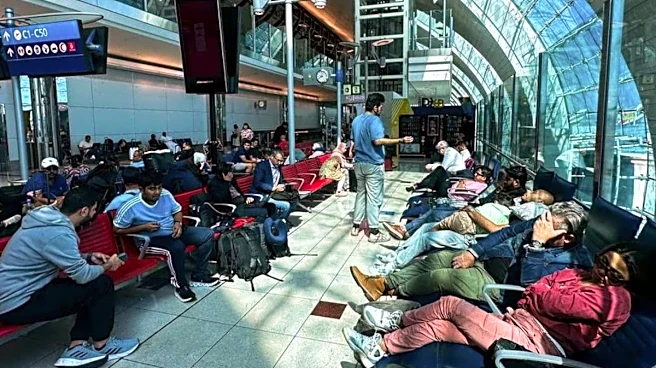
Keralam votes on April 9, and somewhere above the Arabian Sea, the election is already being decided by absence. Ticket prices from Saudi Arabia’s Dammam to Kerala’s Kannur have surged from roughly ₹24,000 to nearly ₹1 lakh following the escalating US-Israel-Iran conflict in West Asia.
Mansoor Palloor, convenor of the Indian Overseas Congress in West Asia, told the Business Standard that between two and three lakh NRI voters ordinarily fly home to vote during assembly elections.
The Economy That Runs On Departure
The number that explains Keralam before anything else about it is this: the state receives ₹2 lakh crore in annual remittances, accounting for 19.7 percent of India’s total inflow, according to Onmanorama’s reporting on RBI data. Around 30 lakh Keralites work abroad, predominantly
in the Gulf.
In 2017, remittances constituted 35 percent of the state’s total income. Malappuram has the largest proportion of emigrant households in the state. Pathanamthitta and Thrissur average one NRI member per household. The Centre for Public Policy Research noted in its pre-election analysis that the emotional weight of family separation is beginning to register at the ballot box in ways it previously did not.
What Do The Voters Want From The Election?
The remittance economy has created a middle class for the Keralite political economy, that does not need the state for basic welfare and yet judges it by whether it can offer an alternative to leaving. A family in Malappuram that has sent one son to Dubai and a daughter to Canada is not voting for ideology. They are voting for jobs, for schools their grandchildren can attend at home, for a government that makes the departure feel like a choice rather than a necessity.
The Kerala Migration Survey 2023, as reported by Asianet Newsable, counted 2.5 lakh Keralites currently studying abroad, nearly double the figure from five years ago.
Unanswered Questions
For the seventh consecutive month in December 2025, Keralam recorded India’s highest retail inflation at 9.49 percent, far above the national average of 1.33 percent, as Outlook Indiareported. Parties have largely avoided raising the Gulf crisis directly, fearing backlash from the diaspora.
Onmanorama’s election economics analysis observed that campaign discourse is dominated by personal attacks rather than substantive economic policy. The irony of this election is exact and uncomfortable: the people who built Keralam’s prosperity from the outside cannot get home to vote, and the politicians competing for power inside refuse to seriously discuss what happens when the remittances slow down.

/images/ppid_59c68470-image-177511252986653731.webp)

/images/ppid_a911dc6a-image-177515005477569359.webp)




/images/ppid_a911dc6a-image-177513706488830291.webp)
/images/ppid_a911dc6a-image-177513447338110249.webp)