
/images/ppid_59c68470-image-178533252623286443.webp)
/images/ppid_59c68470-image-178529006105619335.webp)
The U.S. military is considering tighter restrictions on cellphone use for troops deployed in the Middle East after its top regional commander warned that videos and photos shared online are helping Iran assess the success of its attacks in near real time.
According to sources who spoke to Reuters, some U.S. troops stationed in Jordan have already been informed that their cellphones could be confiscated in the coming days. A third source said the move is under consideration across parts of the region due to growing operational security concerns, although no final decision has been made.
The warning came from Admiral Brad Cooper, the top U.S. commander in the Middle East, who said footage recorded and posted by American service members is effectively
providing Iran with free battle damage assessments.
🇺🇸🇮🇷🇯🇴 The top U.S. commander in the Middle East has warned troops that their own cell phone videos and photos are giving Iran real-time feedback on its attacks.
Adm. Cooper said open-source footage shared online lets Iranian forces quickly assess whether missiles and drones hit… pic.twitter.com/J4qtNmkLU0
— Mario Nawfal (@MarioNawfal) July 29, 2026
Responding to Reuters, U.S. Central Command spokesperson Captain Timothy Hawkins said the message should be viewed as a general reminder about maintaining operational security. He added that Admiral Cooper has repeatedly used such communications to reinforce operational priorities.
Video from Jordan attack triggers security concerns
Military officials’ concerns intensified after a U.S. service member recorded soldiers rushing to shelters during an Iranian missile and drone attack on Muwaffaq Salti Air Base in Jordan on July 17. The video was later posted on Instagram and was reportedly filmed using Meta smart glasses equipped with a built-in camera.
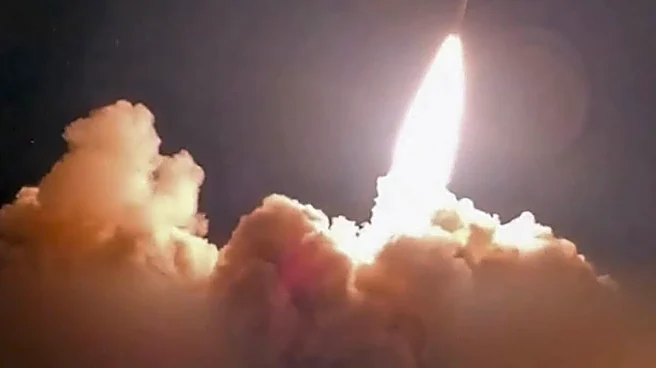
In his message to troops, Cooper referred to the footage, saying it revealed where personnel had taken shelter during the attack. He warned that such videos allow Iran to determine whether its missiles and drones missed their targets, struck empty areas or hit populated military facilities.
“Iran knows the weapons were fired; however, their forces do not know if they missed by 50 meters, hit an empty tarmac, or successfully struck a crowded facility,” Cooper wrote.
He added that detailed public reporting, including descriptions and analyses of damaged sites, was effectively providing Iran with battle damage assessments “free of charge.”
Conflict claims 18 US troops, over 600 wounded
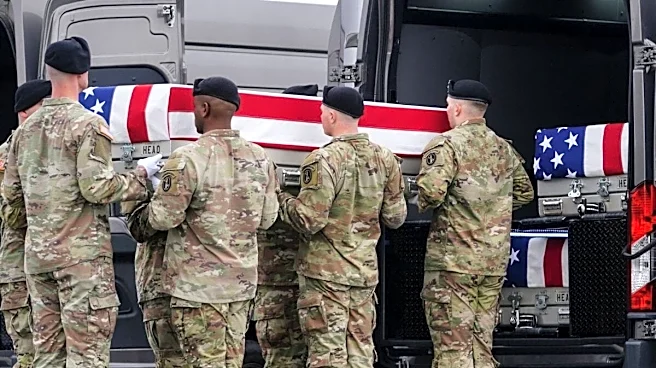
The conflict between the United States and Iran, which began on February 28, has so far killed 18 U.S. service members and injured more than 600 others. The casualties have fueled growing concern in the United States, where only about one in three Americans currently supports the war.
Democratic lawmakers have demanded greater transparency from the Pentagon, seeking information about damage to U.S. military infrastructure, including radar towers, aircraft hangars and barracks. They have also called for the release of a U.S. military investigation into a likely American strike on a girls’ school in Iran on the opening day of the conflict, an incident first reported by Reuters.
Military weighs stricter phone policy across the region
Rules governing cellphone use vary across the U.S. military. In many deployments, troops are already required to lock away personal devices, while special operations forces often prohibit phones entirely during highly sensitive missions.
The possible confiscation of phones has heightened anxiety among some military families, who have relied on messages from deployed service members for reassurance amid repeated reports of Iranian attacks on U.S. installations.
Pentagon cites operational security risks
The Pentagon has long warned that smartphone applications, particularly those that collect location data such as fitness apps, can be exploited by adversaries. Reuters reported in May that commercially available location data harvested from smartphones and other connected devices has been used to track or surveil U.S. forces.
Throughout the conflict, the Pentagon has also limited public disclosure of operational details, often declining to comment on Iranian claims of successful strikes or provide specifics about attacks that injured American personnel.
Cooper warned that publicly revealing details about the impact of Iranian strikes could encourage follow-up attacks.
“Detailed public disclosures can become an immediate green light for Iranian forces to launch a secondary, much more devastating wave of attacks,” he said.
/images/ppid_59c68470-image-178548753097548974.webp)



/images/ppid_59c68470-image-178537762537255387.webp)

/images/ppid_59c68470-image-178538752570046387.webp)

/images/ppid_59c68470-image-178539252814386375.webp)