
India has been placed among countries facing high or very high health risks as a strengthening El Niño event alters temperature and rainfall patterns across South Asia, according to the World Health Organization’s Global Public Health Situation Analysis – El Niño 2026.
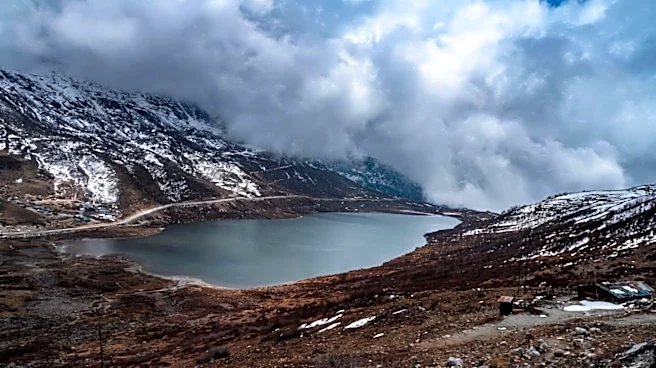
The climate pattern, caused by warming of surface waters in the tropical Pacific, is expected to bring drier-than-normal conditions and above-normal heat across much of South Asia in the coming months.
While WHO does not directly link current disease numbers to El Niño, it describes the phenomenon as a risk modifier that can amplify existing vulnerabilities. The warning comes as vector-borne diseases are already rising in parts of India. Delhi recorded 90 dengue cases in August,
taking the seasonal total to 311 by August 29, while malaria cases increased from 17 in July to 53 in August.
Why Is El Niño Raising Health Concerns In India?
El Niño refers to periodic warming of surface waters in the central and eastern tropical Pacific Ocean, which can disrupt weather patterns far beyond the Pacific. In India, changes in temperature, rainfall and humidity can influence heat exposure as well as conditions favourable for mosquito breeding.
WHO has stressed that El Niño should be viewed as a risk modifier, rather than a direct cause of current dengue or malaria cases. Local weather, sanitation, vulnerability and the capacity of health systems also influence disease patterns.
Influence on Vector-Borne Diseases
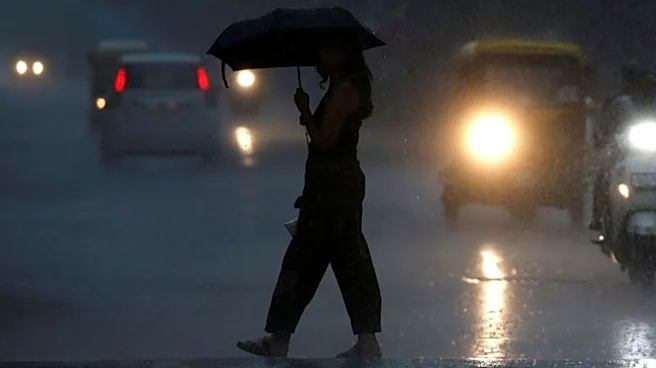
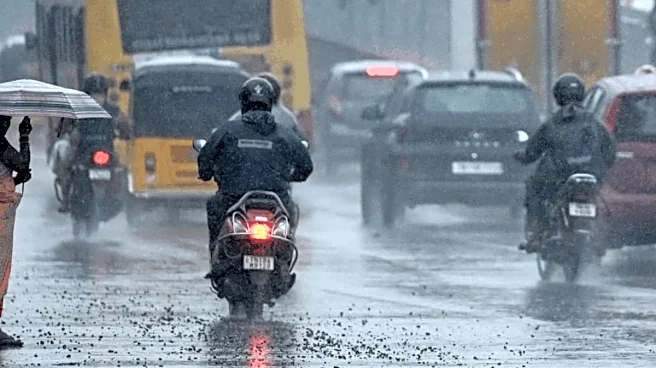
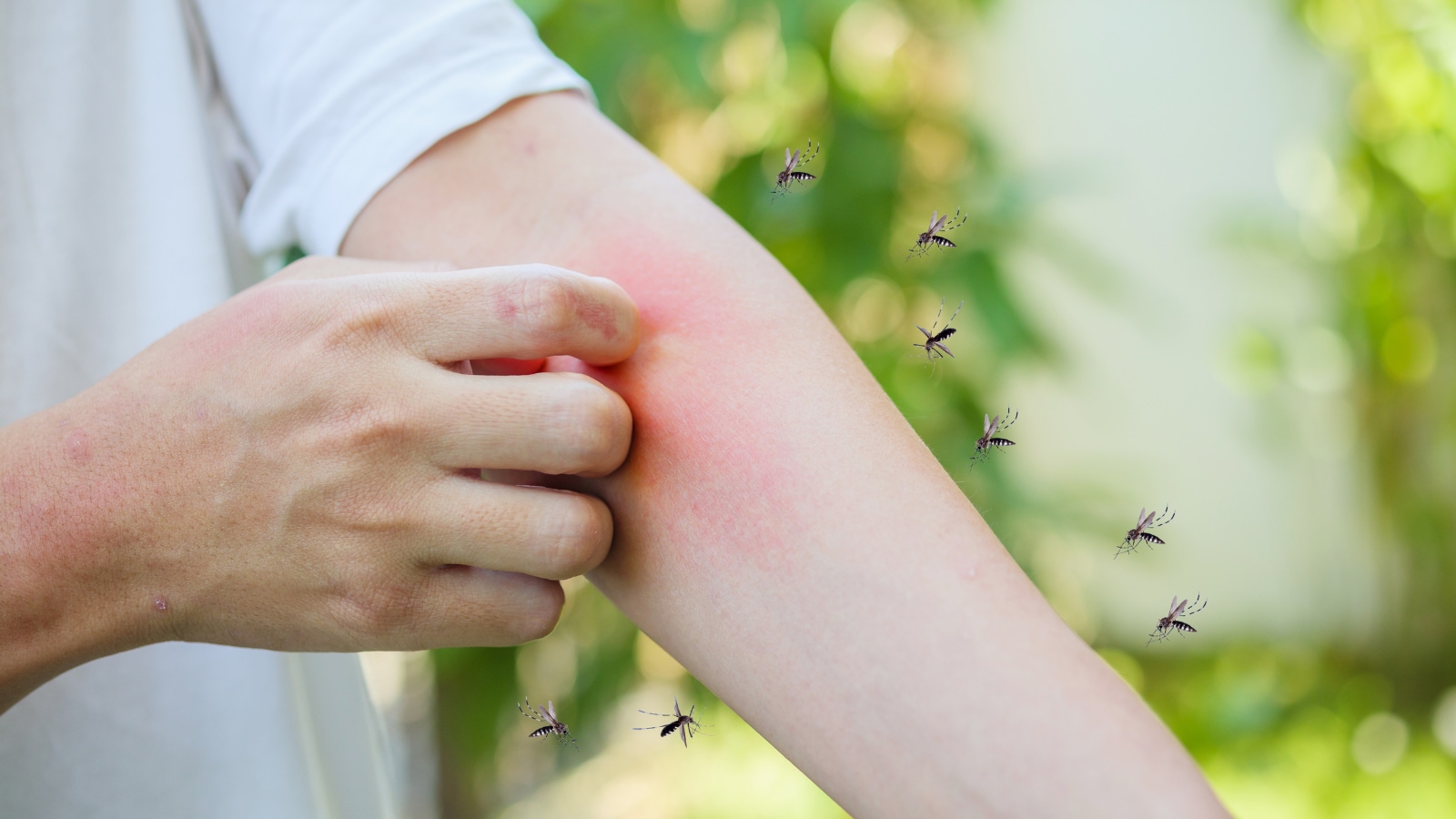
El Niño disrupts normal rainfall patterns, creating ideal conditions for disease-carrying insects, particularly mosquitoes. Heavy rains leave behind stagnant water where mosquitoes breed, raising the risk of dengue, malaria and Zika. In drought periods, people often store water in open containers, which also become breeding sites. Warmer temperatures further accelerate the growth of viruses inside mosquitoes and can expand their geographic range, allowing diseases to appear in new areas. Past El Niño events have already been linked to higher dengue numbers across parts of South America and Southeast Asia.
Impact on Food and Water Security
Drier conditions associated with El Niño can reduce crop yields, leading to food shortages and higher prices. This, in turn, can lower nutritional intake and weaken overall health, especially among vulnerable groups. On the other hand, excessive rain and flooding can destroy fields, contaminate water sources and encourage the spread of germs. In areas with limited sanitation, the risk of cholera, typhoid and diarrhoeal diseases rises. Poor nutrition and unsafe water together reduce the body’s ability to fight infections, increasing illness even after the extreme weather has passed.
How Can Extreme Heat Affect The Body?
The strengthening El Niño conditions highlight the need for greater preparedness around weather-related health risks in India.
Dr. Arunesh Kumar, Senior Consultant, Respiratory Medicine, Paras Health, Gurugram, explains, “Changes in temperature, rainfall and humidity can have varying effects across regions and may influence both direct and indirect health risks. Periods of extreme heat can increase the likelihood of dehydration, heat exhaustion and heatstroke, while also placing additional stress on people with existing cardiovascular, respiratory or kidney conditions.”
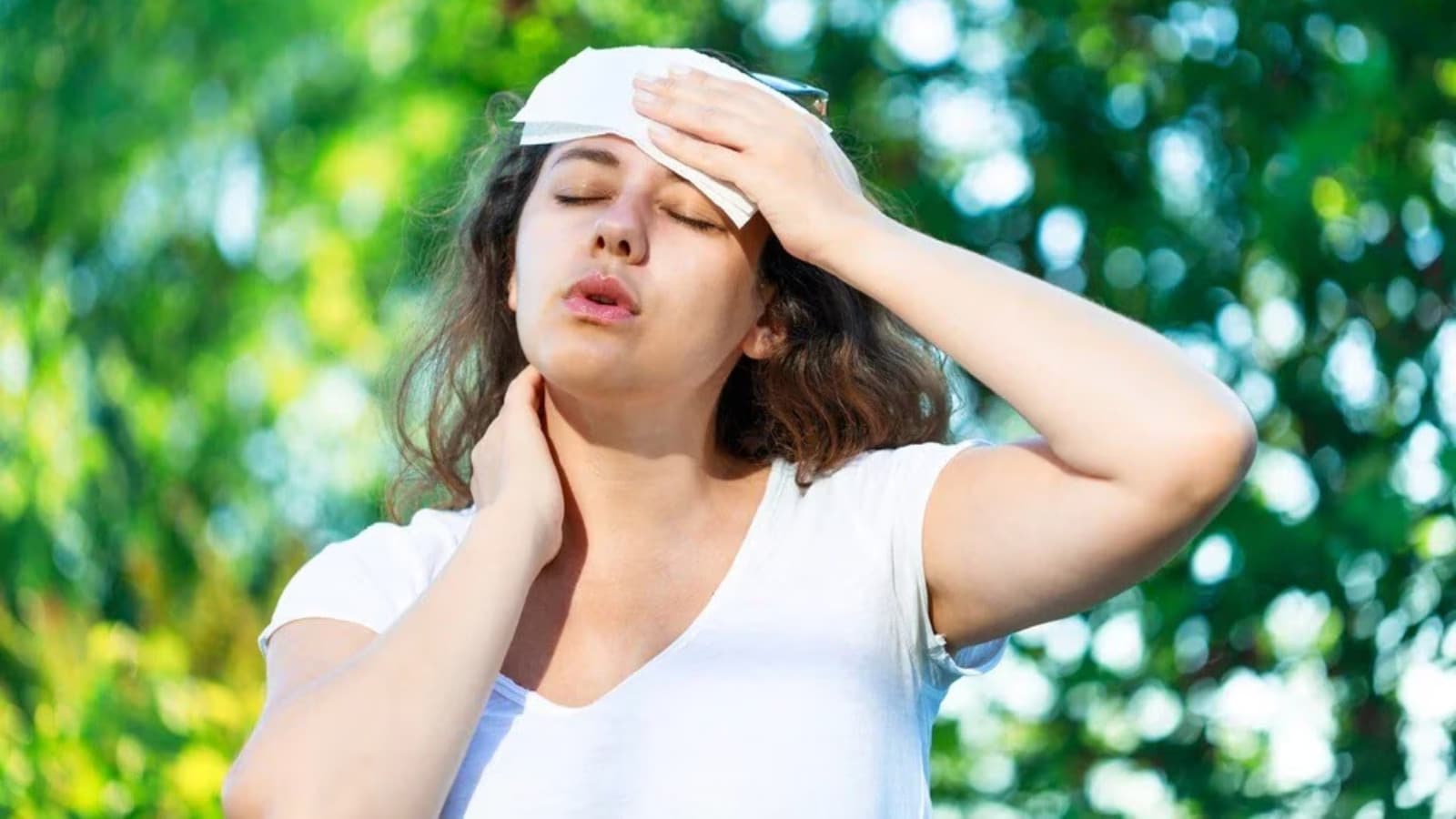
“Changes in rainfall and environmental conditions may also influence mosquito breeding and, consequently, the seasonal pattern of vector-borne diseases such as dengue and malaria. However, disease trends are influenced by multiple factors and should not be attributed to El Niño alone.”
What Everyday Precautions Should People Take?
From a preventive health perspective, people should stay hydrated, limit prolonged outdoor exposure during peak heat, follow local weather advisories and maintain proper food and water hygiene.
Dr. Kumar added, “Preventing water stagnation around homes and workplaces can also help reduce mosquito breeding. Older adults, young children, pregnant women and individuals with chronic health conditions should take additional precautions during periods of extreme weather. Early awareness, preventive measures and timely medical attention can significantly help reduce potential health risks.”
Could Changing Weather Also Affect Respiratory Health?
Extended dry spells during El Niño years raise the likelihood of forest and wildfires. The resulting smoke and particulate matter travel long distances, lowering air quality far beyond the fire zones. Exposure to this pollution can trigger or worsen respiratory conditions such as asthma, COPD and persistent cough. Even people living hundreds of kilometres away may experience breathing difficulties when haze spreads across regions.

Against this backdrop, doctors are watching for a possible rise in lung-related complaints. Dr. Aakaar Kapoor, Founder & Partner and Consultant Radiologist, City Imaging & Clinical Labs, said, “With changing weather patterns and periods of extreme heat, we may see a rise in respiratory symptoms and worsening of existing lung conditions. Imaging can play an important role when symptoms such as persistent cough, breathlessness, chest pain or fever do not resolve, or when a more serious lung complication is suspected.”
He added, “A chest X-ray is often the first imaging investigation used to look for conditions such as pneumonia or other lung abnormalities, while a CT scan can provide a more detailed assessment when required. MRI has a more limited role in routine lung evaluation but can be useful in specific cases involving the chest, surrounding soft tissues or related complications.”
WHO has also highlighted potential concerns around food insecurity, malnutrition, non-communicable diseases and leptospirosis in areas affected by changing rainfall, flooding and poor sanitation.