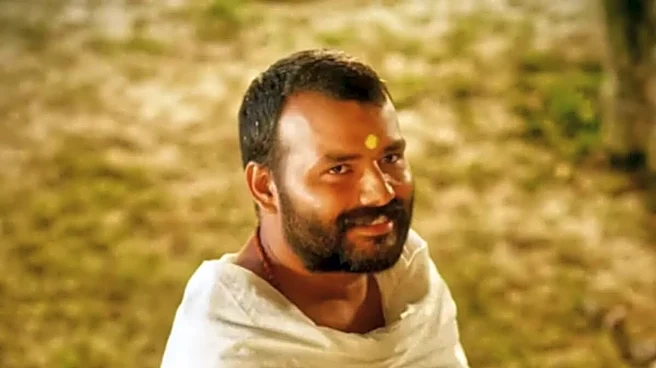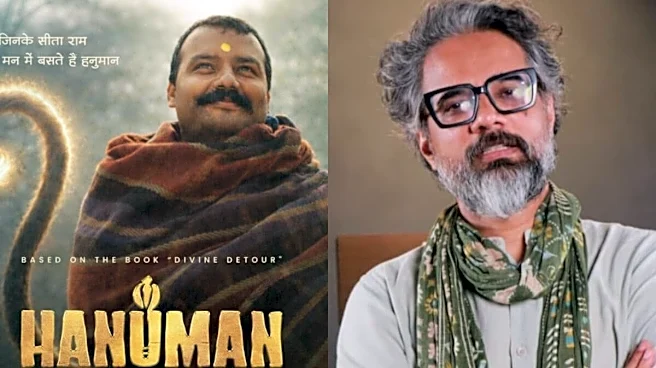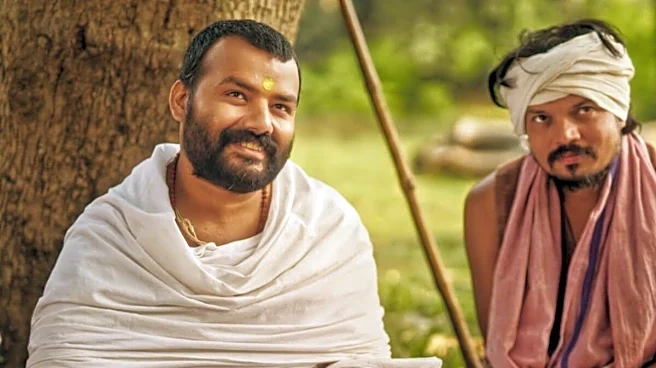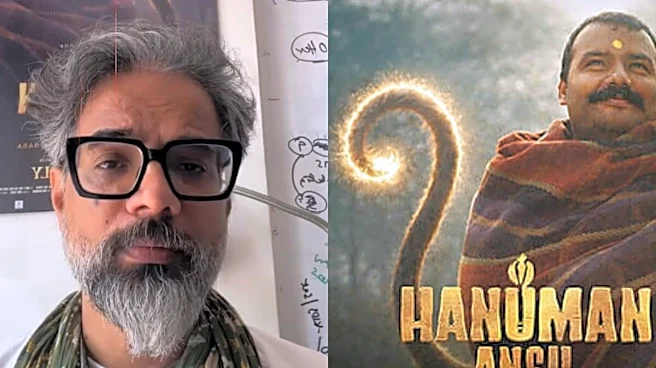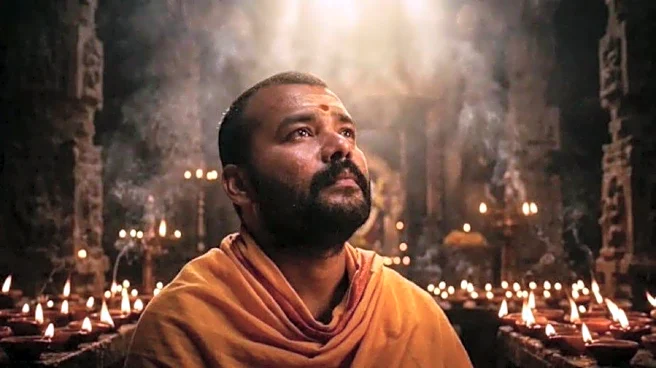

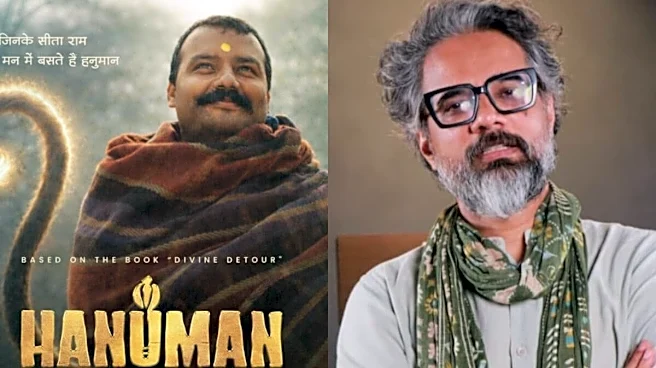
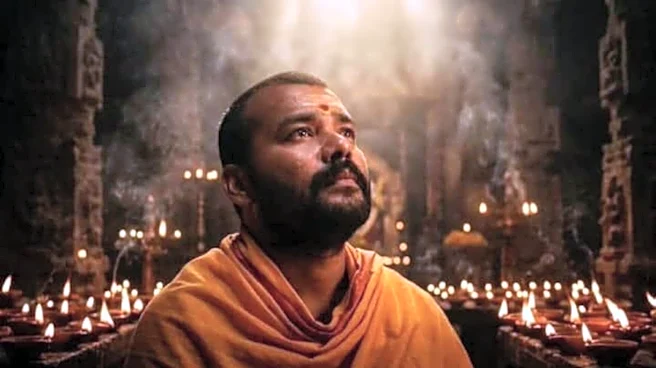

Hanuman Ansh, the movie based on the life of Neem Karoli Baba, was screened for inmates at the Agra Jail today, on September 4. The screening was attended by Vishal Chaturvedi, the writer-director of the film, along with the rest of the team. The unique initiative came after the film’s remarkable theatrical turnaround and growing word-of-mouth, with the jail administration approaching the makers to screen the film for prisoners.
The Agra screening comes at a time when Hanuman Ansh has emerged as one of the biggest sleeper successes of 2026. Hanuman Ansh, made on a budget of about ₹2 crore, earned just ₹10 lakh on its opening day. For the first three weeks, the movie struggled to hold a grip, but now, as of Day 27, Hanuman Ansh has collected approximately
₹61.88 crore net in India, while its India gross stands at around ₹72.97 crore. On Day 27 alone, the film added approximately ₹7.75 crore net, marking another strong day for the film despite being nearly a month into its theatrical run.
About Hanuman Ansh’s part 2
Hanuman Ansh is now eyeing the ₹100-crore milestone. The first instalment is also set for an international theatrical release on September 11 by Hombale Films, and while this movie continues to gain eyeballs, the makers have recently officially announced that it will have a Part 2.
Vishal shared that the upcoming instalment will focus on Maharaj Ji’s birthplace, Firozabad, and then reveal how and why he moved to Agra, Mathura and other locations for his spiritual journey. More details about Hanuman Ansh 2 are awaited.
Who Was Neem Karoli Baba?
Neem Karoli Baba was a Hindu spiritual teacher and a devoted follower of Lord Hanuman. His birth name is generally given as Lakshman Narayan Sharma, and he was born around 1900 in Akbarpur village in present-day Uttar Pradesh. He died on September 11, 1973, in Vrindavan.
Many of Baba’s stories are surrounded by accounts of miracles and extraordinary incidents, many of which were passed down by his devotees. Because these accounts are based largely on devotees’ recollections, they are best understood as part of the spiritual tradition surrounding him rather than as independently verified historical facts.