
/images/ppid_a911dc6a-image-17796688294553576.webp)

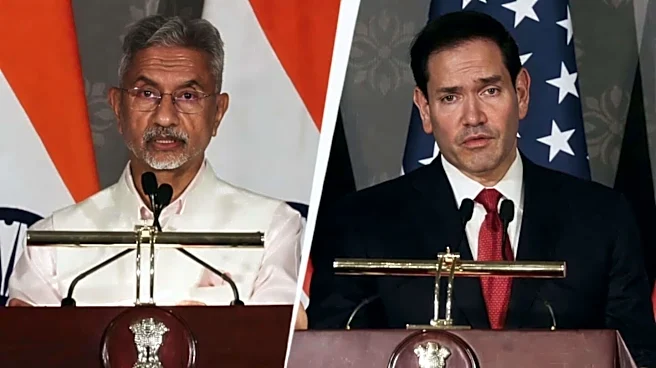
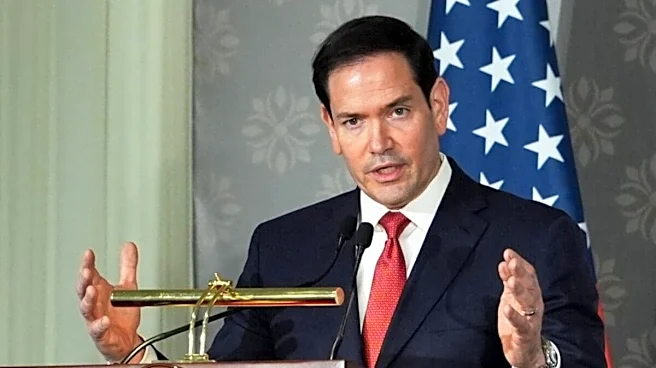
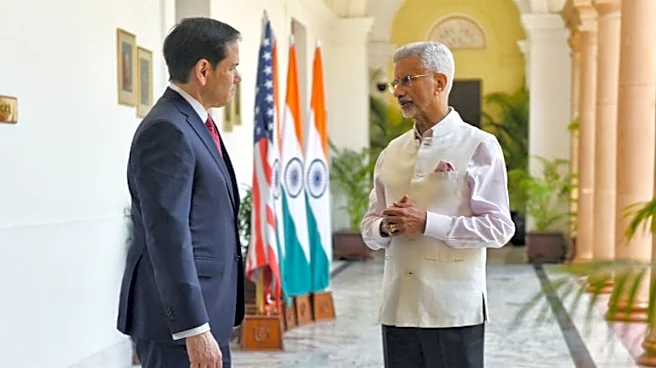
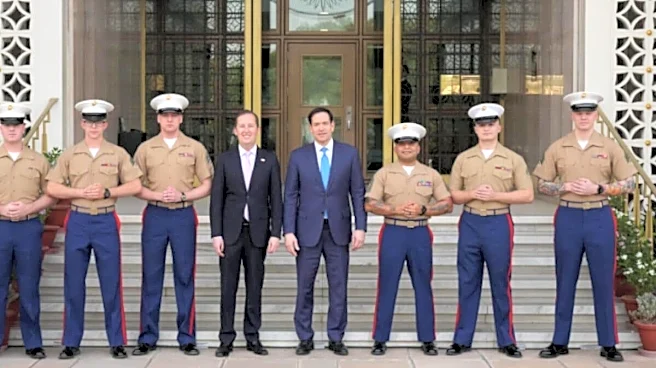
India adopted a calibrated and interest-driven approach during the first India visit of US Secretary of State Marco Rubio after a period of a low in bilateral ties triggered by President Donald Trump’s tariff policies and developments linked to Operation Sindoor.
While New Delhi remains committed to strengthening ties with Washington, India used high-level engagement to firmly convey its strategic priorities and concerns. External Affairs Minister S Jaishankar signalled both publicly and diplomatically that deeper momentum in India-US relations would require greater American sensitivity toward India’s core national interests.
Terrorism And Pakistan Remain Key Concerns
India reiterated its zero-tolerance approach toward terrorism and made it clear
that it does not support selective or inconsistent policies on the issue. Jaishankar raised the subject of terrorism twice publicly in Rubio’s presence, first during the joint press interaction and later at the US Independence Day reception in New Delhi. It is understood that the issue was also raised during bilateral discussions.
Although Rubio acknowledged that both India and the United States are affected by global terror networks, he avoided direct references to Pakistan-linked terrorism. However, he emphasised that Washington’s engagement with Pakistan would not come at the cost of its strategic partnership with India.
India Highlights Energy Security Concerns
On energy security, Jaishankar reiterated India’s position that global energy prices should remain market-driven. Against the backdrop of tensions involving Iran and the Strait of Hormuz, India underscored the importance of stable and affordable energy supplies for developing economies.
India also stressed the need for greater “de-risking” in global energy systems, signalling concerns over geopolitical disruptions impacting oil and gas supply chains.
QUAD And Indo-Pacific Messaging
India also used the visit to push for stronger American engagement in the Indo-Pacific through the Quadrilateral Security Dialogue framework. Jaishankar described the Indo-Pacific as the future lifeline of global trade and linked the current QUAD structure to Trump’s first presidential term.
The remarks were widely interpreted as a subtle reminder that the Trump 2.0 administration needs to place greater strategic emphasis on QUAD, particularly as no QUAD Leaders’ Summit has taken place during Trump’s current term so far.
Concerns Over US Immigration Changes
India also raised concerns regarding changes in the US immigration system under measures linked to illegal mobility and border enforcement. New Delhi conveyed that legitimate Indian travellers and professionals should not be adversely impacted in the process.
Jaishankar described the issue as a growing challenge and stressed that action against illegal migration should not affect legal mobility. Rubio responded by saying the immigration measures were part of a broader global policy framework and were not directed specifically at India.
India Maintains Measured Approach
The overall messaging from New Delhi reflected caution rather than celebration. India appears to be viewing Rubio’s visit not through the lens of diplomatic excitement, but through a framework of strategic balance and national interest.
That measured approach was also visible in India’s handling of reports regarding a possible visit by Prime Minister Narendra Modi to the United States. Despite official American statements that Trump had invited PM Modi to visit Washington, the Indian government’s official readout neither mentioned the invitation nor confirmed acceptance.
India may prefer to first see tangible US responsiveness on issues central to Indian concerns before moving toward a high-profile bilateral summit aimed at resetting momentum in the relationship.
/images/ppid_59c68470-image-177970253206055419.webp)

/images/ppid_59c68470-image-177981253323736959.webp)
/images/ppid_59c68470-image-177973002761244849.webp)
/images/ppid_59c68470-image-177968252784291685.webp)
/images/ppid_59c68470-image-177961511017179000.webp)
/images/ppid_a911dc6a-image-177973126038616430.webp)