
/images/ppid_59c68470-image-178058258254712390.webp)
/images/ppid_59c68470-image-178048504152511562.webp)
/images/ppid_a911dc6a-image-17805710588706584.webp)
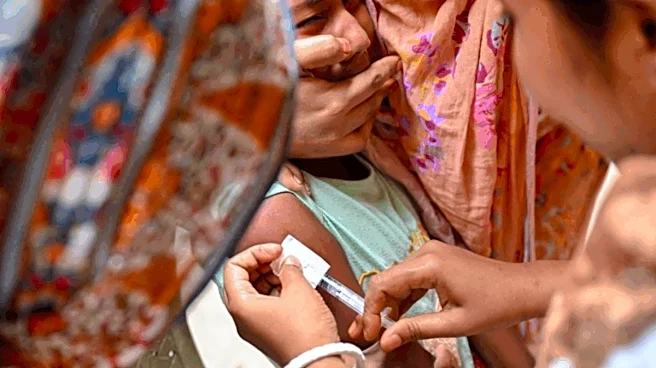
In Bangladesh, a measles outbreak has intensified sharply, with seven children reported dead within just 24 hours and the overall death toll now rising to 601, according to recent health updates. What began as a public health concern has evolved into a sustained emergency, raising difficult questions about immunity gaps, healthcare access, and the conditions allowing a once-preventable disease to surge again.
According to the Directorate General of Health Services (DGHS), seven more children died in the 24 hours ending at 8am yesterday, pushing the confirmed death toll to 90 and suspected deaths to 511.
With more than 74,572 suspected cases and 9,191 laboratory-confirmed infections since the outbreak intensified in mid-March. Over 60,000 patients
have required hospitalisation, though more than 55,000 have since recovered and been discharged. Yet behind these stark numbers lies a deeper story of vulnerability, one that touches on parental anxiety, community resilience, and the quiet psychological toll of watching a preventable disease ravage the youngest lives.
What’s Driving the Surge in Measles Cases in Bangladesh?
Health authorities point to several interconnected factors with vaccination gaps remaining a primary concern. Despite ongoing immunisation drives, many children have missed doses, leaving pockets of susceptibility across the country.
A person with measles can infect up to nine out of ten unvaccinated individuals in close contact, making it one of the most transmissible viruses known.
Recent large-scale travel during Eid celebrations has accelerated the spread with millions moving between urban centres and rural areas have unknowingly carried the virus into communities with lower vaccination coverage. Doctors warn that this seasonal migration, combined with delayed immunisation efforts, has created ideal conditions for sustained transmission. Infection rates have not shown a consistent decline despite two months of vaccination campaigns, prompting calls for more targeted door-to-door initiatives.
What is Measles and How Does It Spreads?
Measles typically begins with high fever, cough, runny nose, and red, watery eyes, followed by the characteristic Koplik spots inside the mouth and a widespread red rash. Complications can arise quickly in young or undernourished children.
The MMR vaccine remains the most effective shield, with two doses providing strong, long-lasting protection. Achieving herd immunity requires at least 95% coverage, a target several regions continue to miss.
Measles spreads through airborne droplets when an infected person coughs or sneezes. What makes it particularly dangerous is how efficiently it travels in crowded environments. Schools, densely populated neighbourhoods and areas with limited healthcare access become amplification points. Once the virus takes hold, it can move quickly through communities where vaccination rates have slipped.
One of the most significant threats of measles is its incubation period. Sick individuals will not exhibit symptoms all at once and thus can go around spreading the disease without ever realizing they were ill.
What Are the Signs and Symptoms of Measles?
Measles symptoms usually develop in stages and include:
- High temperature
- Runny nose
- Respiratory congestion
- Red, watery eyes (conjunctivitis)
A few days later, the typical red rash appears, usually starting at the hairline before spreading down the body. The rash generally lasts around five to six days before gradually fading.
Is Measles Preventable?
Vaccination is the most effective way to prevent measles. The MMR vaccine, which protects against measles, mumps and rubella, is given in two doses during childhood under the routine immunisation schedule in the United States.
Two doses of the MMR vaccine are about 97% effective in preventing measles. People travelling abroad are also advised to ensure they are vaccinated at least two weeks before departure to reduce the risk of exposure in countries where measles remains common.
How is Measles Treated?
There is no specific antiviral treatment for measles. Medical care focuses on relieving symptoms and preventing complications. Common supportive care includes:
- Rest and hydration
- Fever-reducing medications
- Vitamin A supplementation (shown to reduce severity, particularly in children)
In severe cases, hospitalisation may be necessary to manage complications such as pneumonia or encephalitis.
How Long is a Person with Measles Contagious?
A person infected with measles can spread the virus from four days before the rash appears to four days after it develops. This long infectious period increases the risk of community transmission, especially among unvaccinated individuals.
Why is Measles Still a Threat if There is a Vaccine?
Although the MMR vaccine is highly effective, measles outbreaks still occur due to gaps in immunisation coverage. These gaps are driven by:
- Vaccine hesitancy and misinformation
- Limited access to healthcare in certain communities
- International travel and exposure to regions where measles is still endemic

/images/ppid_59c68470-image-178073503279326835.webp)



/images/ppid_a911dc6a-image-178065442073290315.webp)



/images/ppid_a911dc6a-image-178064603204688012.webp)
/images/ppid_59c68470-image-178057252692061113.webp)