
/images/ppid_59c68470-image-177522502915644752.webp)
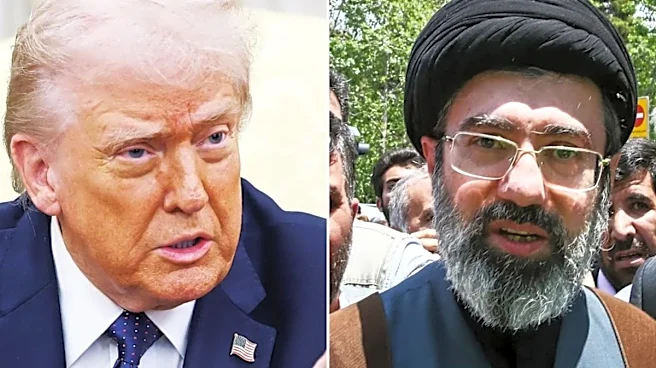
Amid the escalating conflict and American President Donald Trump’s threats, can there be a US-Iran ceasefire? What could be the terms?
News18 looks at the best-case and worst-case scenarios.
Experts and reports suggest that a best-case scenario could involve a long-term de-escalation, reopening the Strait of Hormuz, and nuclear negotiations. The worst-case scenario would include a failed, temporary truce that triggers a wider regional war, chaotic Iranian civil strife, and major global economic shocks from destroyed energy infrastructure.
The Best-Case Scenario: Durable Peace and Regional Stabilisation
The 45-day ceasefire holds, extending into formal, long-term negotiations addressing Iran’s nuclear program and missile capabilities, similar to the proposed Islamabad Accord.
- Immediate reopening of the Strait of Hormuz lowers energy prices.
- A managed, multipolar Gulf emerges, reducing the likelihood of direct military confrontation between Iran, Israel, and the US.
- In this scenario, Iran’s leadership might agree to strict constraints on its nuclear program in exchange for sanctions relief, according to the Guardian and other reports.
#BreakingNews | US ignores regional
security concerns: Iran slams US's 15 point peace proposal plan calling it ambitious and illogical, doubts US's peace intentions@RShivshankar shares more details #Iran #USA #Israel #DonaldTrump | @JamwalNews18 @akankshaswarups pic.twitter.com/W9IOKiHLky
— News18 (@CNNnews18) April 6, 2026
Worst-Case Scenario: Escalation and Strategic Chaos
The truce fails, leading to a more intense, uncontrolled escalation.
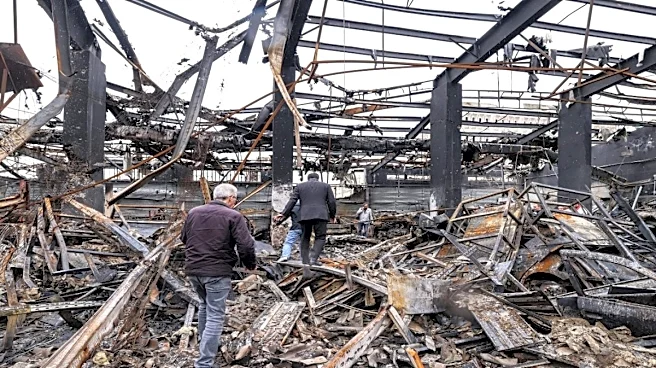
- Sustained closure of the Strait of Hormuz and destruction of major energy infrastructure (like South Pars gas field) drives oil prices much higher, causing massive market instability.
- The conflict triggers a chaotic civil war within Iran, creating a massive refugee crisis and destabilising the region.
- Iran’s proxies (like the Houthis) permanently disrupt key shipping lanes, leading to an asymmetrical war.
- Iran decides it has nothing left to lose and directly targets U.S. assets, forcing a large-scale US military response.
Key Factors Shaping the Outcome
Nuclear Constraints: Any deal must address Iran’snuclear program, or it risks a “more dangerous, more volatile Middle East,” as warned by officials.
Security Guarantees: Iran has demanded guarantees that attacks won’t be repeated, which is a major point of contention.
Weapon Supply: A shortage of interceptor missiles could make the situation far worse if attacks continue, leaving energy infrastructure vulnerable.
KEY FAQs
What is the best-case scenario?
Negotiated settlement / ceasefire, de-escalation and stability in the Gulf, oil prices stabilise, global markets recover.
What is the worst-case scenario?
Full regional escalation or prolonged war; attacks on energy infrastructure and Strait of Hormuz disruption; global recession, refugee crisis, instability.
What is the most likely scenario?
Prolonged conflict with periodic escalation. No decisive victory, continued tensions. Economic uncertainty and volatility.
With agency inputs
/images/ppid_59c68470-image-177531753159745707.webp)

/images/ppid_59c68470-image-177546252996877041.webp)
/images/ppid_a911dc6a-image-177542043321115967.webp)