



NEET Paper Leak Controversy: The NEET-UG controversy is no longer limited to students, political leaders, and education experts. Across India, discussions about examination fairness, accountability, and student futures have moved into everyday spaces, from housing society meetings to resident WhatsApp groups and neighbourhood conversations.
The controversy, involving allegations of question paper leaks, examination irregularities, and concerns over the fairness of the medical entrance examination process conducted by the National Testing Agency (NTA), has sparked student protests, political debates, and official responses.
Read More: ‘Do Not Incite Children, Show Them The Right Path’: PM Modi’s Big Message On NEET Paper Leak
As the issue continues
to generate public discussion, many residential communities are finding themselves navigating difficult conversations, where residents share news reports, opinions, and differing perspectives on one of India’s most closely watched education debates.
When a National Issue Becomes A Neighbourhood Debate
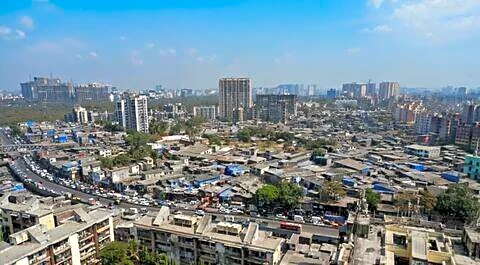
Housing societies are often considered spaces where residents discuss maintenance, security, festivals, and local concerns. However, with the rise of digital communication, national issues frequently find their way into resident groups.
The NEET debate has become one such example.
Some residents share news articles, YouTube Links, student experiences, and calls for accountability.
Others circulate information defending institutions, questioning media narratives, or asking for more evidence before reaching conclusions.
Read More: ‘It Was Good’: JP Nadda’s First Reaction After Meeting CJP Delegation Amid Massive Delhi Protests
The result is a new kind of neighbourhood conversation, where residents who may peacefully share the same building can have sharply different views on a national issue.
Role of WhatsApp and Social Media in Shaping Opinions
Digital platforms have made information sharing faster than ever. A single link posted in a housing society group can trigger a long discussion involving dozens of residents.
However, the speed of online sharing also creates challenges:
- Different sources may present different versions of events.
- Emotional reactions can spread faster than verified information.
- Political opinions can sometimes overshadow the original concern of students and families.
This does not mean public discussion should stop. Instead, it highlights the importance of checking sources, reading beyond headlines, and allowing respectful disagreement.
Why the NEET Issue Feels Personal for Many Families
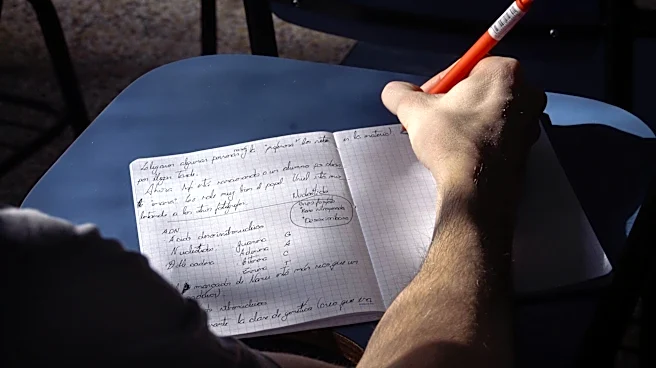
For many families, competitive examinations represent years of preparation, financial investment, and personal sacrifice. Medical entrance exams carry additional emotional weight because they are connected with career dreams and social mobility.
When questions arise about examination fairness, students and parents often see it not merely as a political issue but as a question of trust in the education system.
Can Housing Societies Have Healthy Debates?
Disagreements in residential communities are not unusual. The challenge is maintaining respectful conversations when topics become emotionally charged.
Some ways communities can encourage constructive discussions include:
- Sharing verified information rather than forwarded messages alone.
- Avoiding personal attacks during disagreements.
- Separating criticism of systems from criticism of individuals.
Remembering that different residents may approach the issue from different experiences.
Beyond the NEET Debate: A Changing India of Digital Conversations
The NEET controversy shows how national events are increasingly becoming part of local conversations. A debate that begins in classrooms, newsrooms, and Parliament can quickly reach apartment corridors and community groups.
Housing societies are not just residential spaces anymore, they are also becoming forums where citizens discuss democracy, education, accountability, and the future of the country.
The bigger question is not only what people believe about the NEET controversy, but also how India learns to discuss difficult issues while remaining connected as communities.
/images/ppid_59c68470-image-178486519291856118.webp)

/images/ppid_59c68470-image-178486515649023536.webp)