



International Day Of UN Peacekeepers 2026:
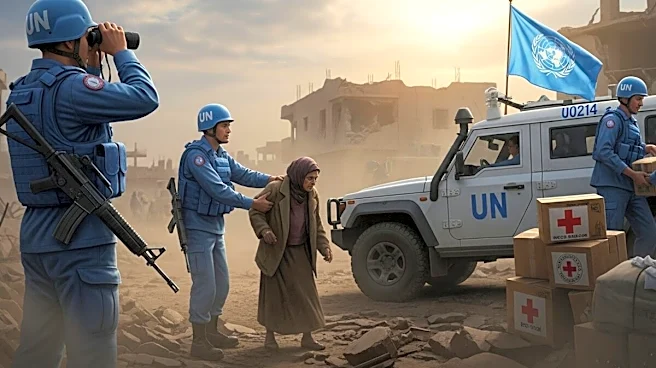
The United Nations Peacekeepers, widely recognized by their iconic blue helmets, play a vital role in maintaining international peace and security in regions affected by conflict. On the International Day of UN Peacekeepers (May 29), the world honors their courage, sacrifice, and dedication to protecting civilians and supporting nations transitioning from war to peace.The 2026 theme, “Invest in Peace,” highlights the urgent need for stronger global commitment, funding, and cooperation to strengthen peacekeeping operations in an increasingly unstable world.
Role of UN Peacekeepers
UN peacekeeping missions are deployed to areas where conflict parties have agreed to reduce violence, allowing space for monitoring ceasefires, supporting
political dialogue, and protecting civilians.
Peacekeepers are not an army that imposes peace; instead, they act as neutral forces that help maintain stability and create conditions for long-term reconciliation.
Their responsibilities often include:
- Monitoring ceasefire agreements
- Protecting civilians in conflict zones
- Assisting humanitarian aid delivery
- Supporting elections and governance processes
- Helping rebuild post-conflict societies
Modern Conflicts and New Challenges
Today’s conflicts are more complex than traditional wars, making peacekeeping increasingly challenging. Civil wars, proxy conflicts, terrorism, and geopolitical rivalries often overlap, limiting the effectiveness of traditional missions.
Case Study: Russia–Ukraine Conflict
The Russia–Ukraine war represents one of the most significant modern security crises. As an active interstate conflict, it highlights a key limitation of UN peacekeeping: missions are generally deployed only when parties agree to a ceasefire.
In such high-intensity wars, peacekeepers face restrictions in deployment and neutrality challenges. The conflict underscores the importance of diplomacy and preventive peacebuilding to avoid escalation before peacekeeping becomes necessary.
Case Study: Middle East Conflicts and Regional Tensions
The Israel–Palestine conflict and broader West Asian tensions involving Iran reflect long-standing and deeply complex disputes. These situations involve political, territorial, and humanitarian challenges that make peacekeeping extremely sensitive.
UN missions in such regions often focus on:
- Monitoring fragile ceasefires
- Supporting humanitarian access
- Assisting displaced populations
- Reducing escalation risks
However, limited access and political disagreements often reduce operational effectiveness.
Impact Beyond Conflict Zones
Despite challenges, UN peacekeepers continue to make a difference in countries such as South Sudan, the Democratic Republic of the Congo, and Lebanon. Their work extends beyond security to include humanitarian aid, election support, and rebuilding institutions.
Modern peacekeeping also adapts to new threats such as misinformation, climate-related instability, and cyber risks that can fuel unrest.
Sacrifice and Commitment
Thousands of peacekeepers have lost their lives while serving under the UN flag. Their sacrifice reflects the dangerous environments in which they operate and the high cost of maintaining global peace.
Investing in Peace
The 2026 theme, “Invest in Peace,” is a global call to strengthen UN peacekeeping through better resources, training, and international cooperation. In a world shaped by evolving and interconnected conflicts, investing in peace is not optional, it is essential for global stability and human security.
On this International Day of UN Peacekeepers, we honour those who serve under the UN flag and reaffirm a simple but powerful belief: even in the most complex conflicts, peace remains possible when the world chooses to invest in it.