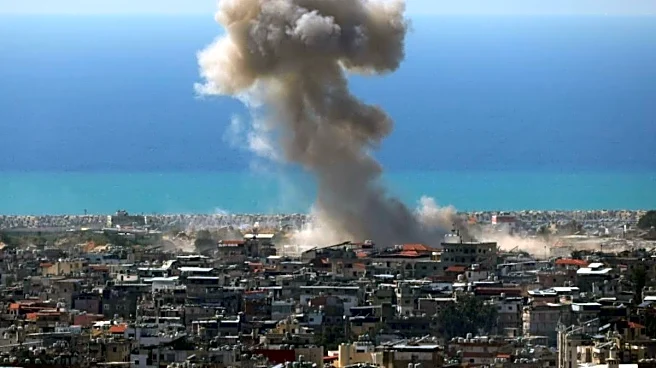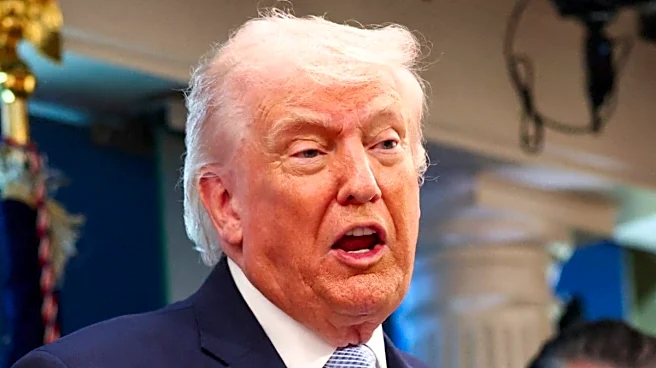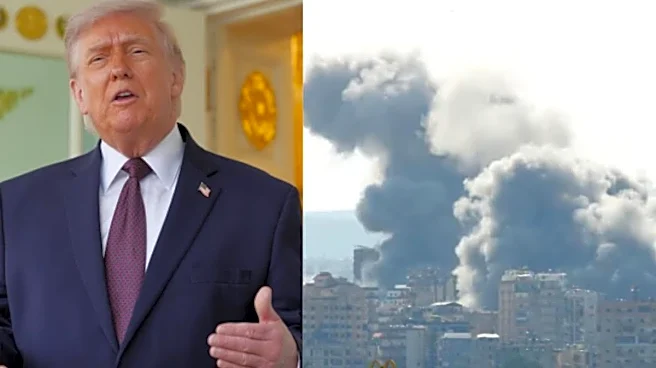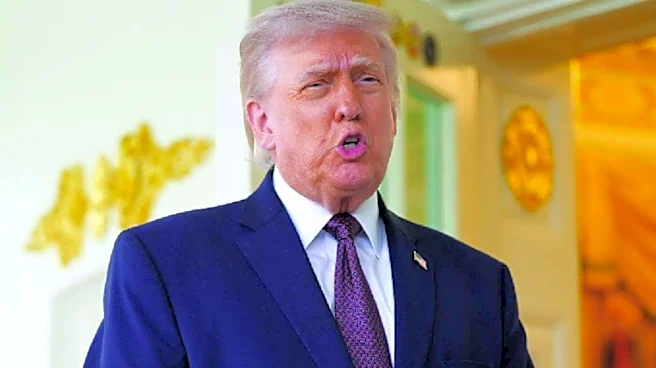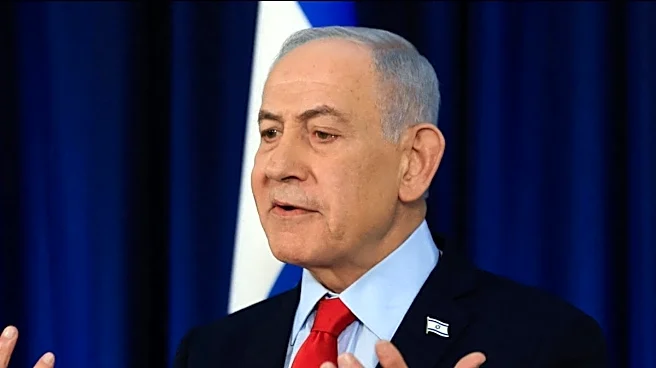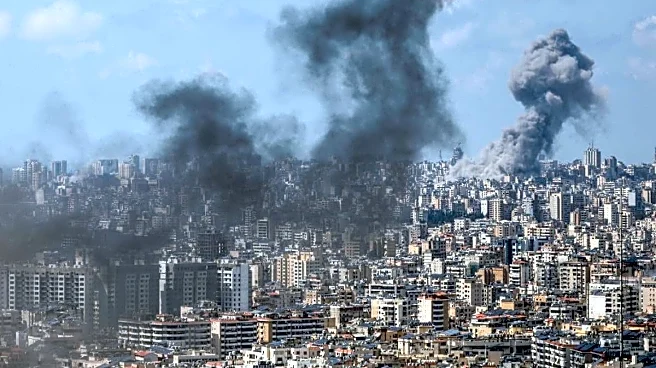


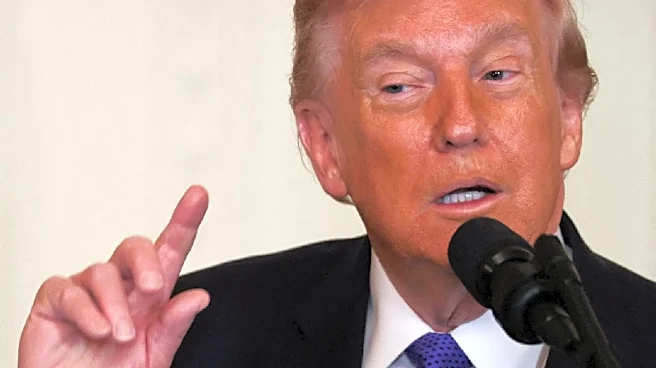
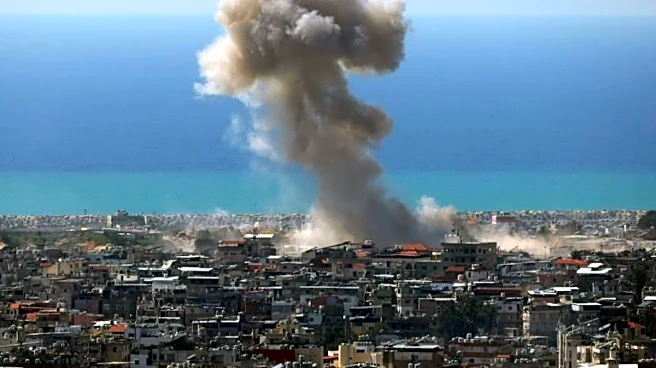
Israel-Lebanon Ceasefire: US President Donald Trump announced that Israel and Lebanon agreed to a 10-day ceasefire, a potentially significant diplomatic breakthrough after weeks of escalating cross-border violence that had raised fears of a wider regional conflict.
The US President said that the ceasefire would take effect at 5 PM EST (3:30 AM IST), presenting the move as an opening step toward a broader peace process between the two longtime adversaries.
Read more: Donald Trump Announces 10-Day Ceasefire Between Israel, Lebanon: ‘It Has Been My Honour’
The announcement came after what Trump described as “excellent conversations” with Lebanese President Joseph Aoun and Israeli Prime Minister Benjamin Netanyahu. Posting on Truth Social, Trump struck
an optimistic tone and urged both sides to seize the opportunity for de-escalation.
“It has been my Honor to solve 9 Wars across the World, and this will be my 10th, so let’s, GET IT DONE!” he wrote.
History Of Israel-Lebanon Relations
Israel and Lebanon have shared one of the West Asia’s most volatile frontiers for decades. The two countries technically remain in a state of war since the 1948 Arab-Israeli conflict, and they have never signed a formal peace treaty. Tensions deepened during the Lebanese Civil War, when Israel invaded Lebanon in 1978 and again in 1982, citing security threats from Palestinian armed groups operating from Lebanese territory. The 1982 invasion led to a prolonged Israeli military presence in southern Lebanon that lasted until 2000.
After Israel’s withdrawal, Hezbollah emerged as the dominant armed force along the border, presenting itself as a resistance movement against Israel. In 2006, a month-long war between Israel and Hezbollah caused widespread destruction in Lebanon and heavy rocket fire into northern Israel. Although the border saw periods of relative calm afterward, sporadic clashes, airstrikes and military build-ups continued. Hezbollah’s growing missile arsenal and Israel’s repeated warnings about threats from Lebanon kept the frontier tense for years.
Why This Ceasefire Seems Fragile?
Despite the announcement, the ceasefire faces immediate challenges that could undermine it quickly. First, there has been no clear public confirmation from Hezbollah, the armed group directly engaged in fighting with Israel. Without Hezbollah’s explicit commitment, implementation on the ground remains uncertain.
Second, Lebanon’s government does not fully control all armed actors within the country, limiting its ability to guarantee compliance if hostilities resume.
Third, Israel has repeatedly stated it will respond forcefully to any cross-border rocket fire or perceived security threat, meaning even a minor incident could trigger retaliation.
Finally, previous ceasefires between Israel and Hezbollah have often paused violence temporarily without resolving core disputes such as border security, military deployments and regional influence.