
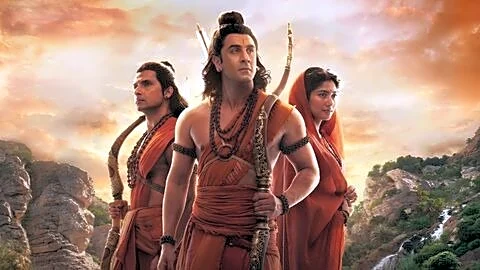
Few films begin with as much goodwill—and as much pressure—as Ramayana.
Its characters are already loved, its story has travelled across generations, and its place in Indian culture needs no introduction. The challenge for Bollywood is not to make the epic bigger, but to make a film worthy of it.
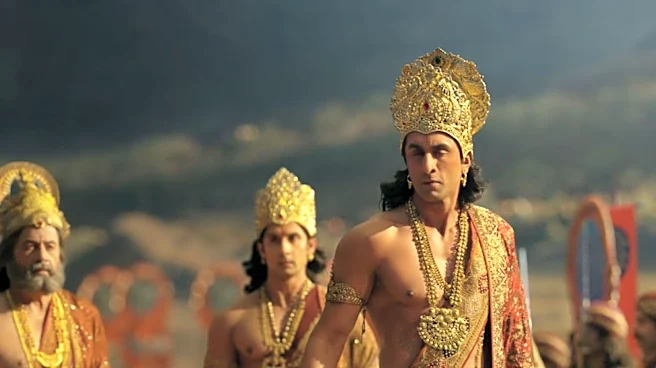
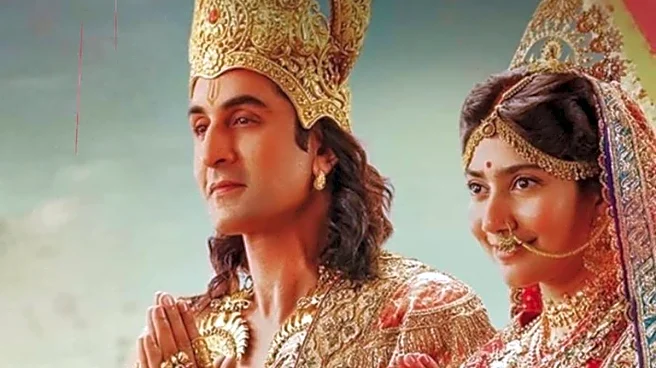
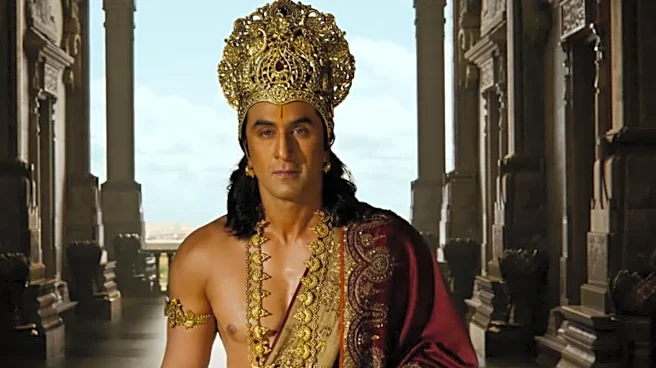
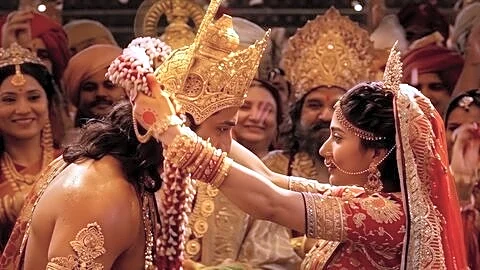
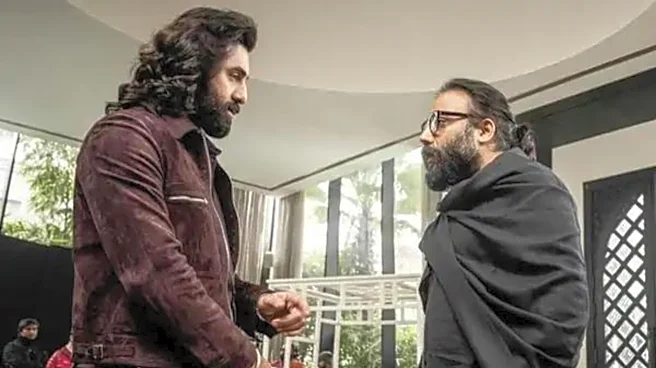
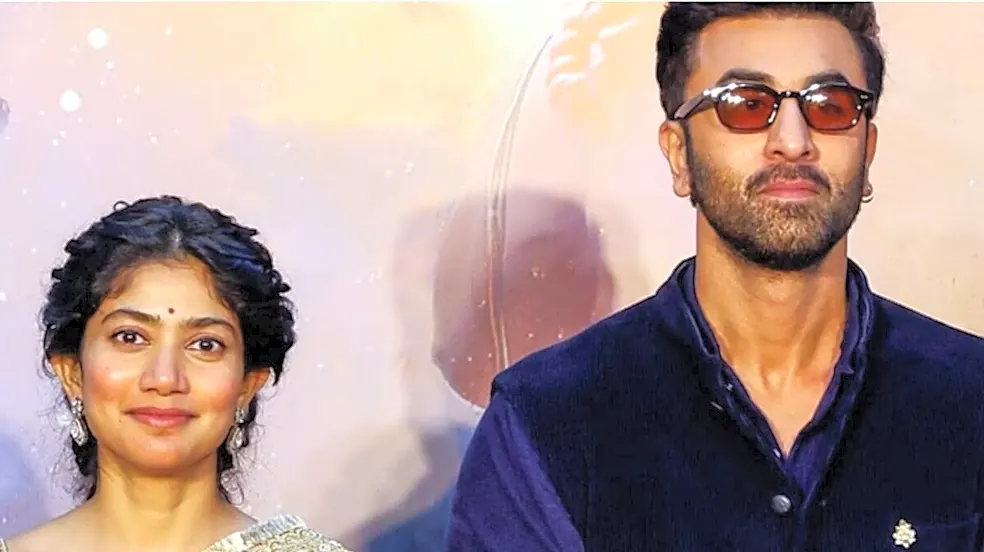
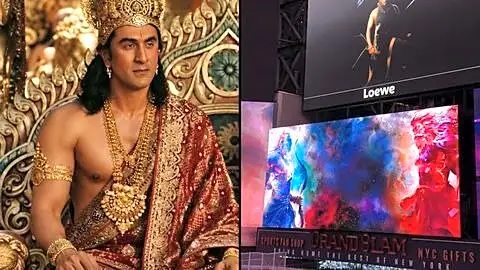
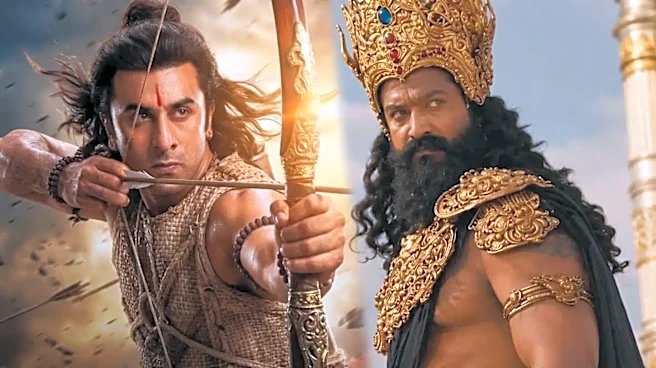
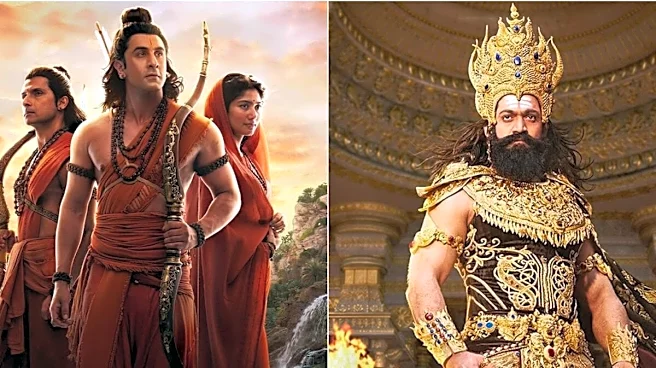
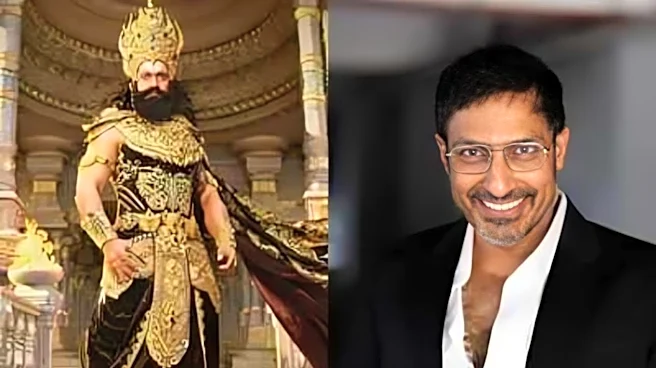
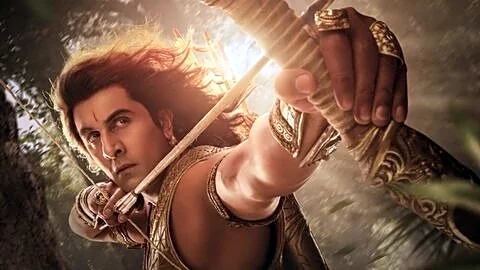
Nitesh Tiwari’s Ramayana: Part One, scheduled for release on November 5, 2026, brings together Ranbir Kapoor as Rama, Sai Pallavi as Sita and Yash as Ravana. The cast is formidable, the expectations immense. But a famous story, a star cast and a big budget do not guarantee a memorable film. Even the gods, one suspects, cannot rescue a weak script.
India’s epics offer filmmakers a wealth of material: family conflict, difficult choices, loyalty, ambition
and sacrifice. Yet recent films, from Adipurush to Chhaava and Kalki 2898 AD, show how differently that inheritance can translate to the screen.
Knowing The Story Is Not Enough
Adipurush (2023) had plenty going for it. It drew on the Ramayana, starred Prabhas and promised a grand visual retelling. Yet criticism of its visual effects, character designs and dialogue soon overshadowed the excitement surrounding its release. The makers later announced changes to the dialogue.
The film illustrated how difficult it can be to adapt a story audiences already know intimately. Viewers bring their own understanding of its characters and expectations of how the epic should be treated. Familiarity is an advantage, but it also leaves little room for careless choices.
The answer is not to stick to one version of the Ramayana. The epic has been retold in different languages and traditions for centuries, with each version offering its own perspective. A new film should be free to do the same, provided it has something worthwhile to add.
Can it offer a fresh perspective on a familiar character? Can it bring out an overlooked tension or give a well-known episode new emotional force? The story does not need a new ending to offer a new experience.
Heroes Need To Feel Human
History offers a useful lesson in what happens when a film connects with its audience. Chhaava (2025), starring Vicky Kaushal as Chhatrapati Sambhaji Maharaj, became a major box-office success and struck a chord with viewers. By contrast, Samrat Prithviraj (2022), starring Akshay Kumar, struggled commercially despite its famous subject and leading star.
The difference between their fortunes cannot be explained by one factor alone. But Chhaava showed the power of placing a historical figure’s courage, sacrifice and conflict at the heart of the drama. Tanhaji: The Unsung Warrior (2020) similarly built its story around a mission and what was at stake.
The lesson for Ramayana is not that every epic must follow the same formula. It is that scale and cultural importance work best when audiences can follow the people at the centre of the story. Rama, Sita and Ravana are figures of enormous significance; their choices and relationships deserve the same care as the world built around them.
Historical films must also take care with the past. Dramatic licence is part of filmmaking, but it should not be confused with historical fact. Mythological films have a different relationship with their source material, yet they too need a clear understanding of what they are adapting.
The Promise And Limits Of Spectacle
Kalki 2898 AD (2024) brought mythological ideas into a futuristic world, while Brahmastra: Part One – Shiva (2022) built a fantasy around ancient astras and spiritual imagery. Both showed how Indian mythology can inspire worlds beyond the familiar period film.
This opens exciting possibilities for Ramayana. Its landscapes, divine weapons and battles offer enormous scope for visual invention. The test is whether those choices help bring the epic to life rather than distract from it. A battle should change the course of the story; a striking image should deepen our understanding of its world or characters.
The aim need not be to make the biggest film possible, but to create a world that feels convincing on its own terms. Technical ambition has its place, but the audience should leave remembering more than the effects.
Respecting The Story, Doing Justice To Sita
For many people, the Ramayana is much more than a literary epic. It is part of their faith, family traditions and cultural lives. Filmmakers need not follow one fixed interpretation, but they should approach the material with care.
That includes the portrayal of Sita. Women in epic films are often presented as symbols of virtue, honour or sacrifice, while the men around them get the more complicated roles. Sita deserves to be more than the reason a battle begins. Her experiences and choices are an important part of the story in their own right.
Speaking about Padmaavat (2018), Deepika Padukone highlighted the significance of a woman leading a major production and described the film as a celebration of womanhood. Ramayana has an opportunity to give Sita a thoughtful presence without imposing a modern interpretation on her or losing sight of the epic’s traditions.
Sai Pallavi has acknowledged the responsibility of playing a revered figure. That responsibility should encourage a performance with care and feeling, allowing Sita to be both revered and fully present as a character.
Respect does not require a film to avoid difficult questions. It requires filmmakers to understand the significance of the material and handle it thoughtfully.
What Ramayana Needs To Get Right
The film will face audiences with different expectations. Some will compare it with earlier television adaptations; others will come for a major fantasy film. Many will have a deep personal connection to the epic, while international audiences may be discovering it for the first time.
The answer is not to try to please everyone. It is to tell a clear, confident version of the story and trust its characters to hold the audience’s attention.
There is also an opportunity to show that a story rooted in Indian culture can connect with audiences around the world. Love, duty, loyalty and sacrifice cross cultural boundaries. When these themes emerge naturally from the characters, they need no elaborate explanation.
Ramayana does not need to become less Indian to travel further. Its cultural roots are its strength; the challenge is to bring them to the screen with imagination and care.
The Story Is Not The Achievement
Bollywood has the stars, the money and the technology to make Ramayana a landmark film. What it cannot buy is a place in the audience’s memory.
Adipurush showed how difficult it is to meet the expectations surrounding a beloved epic. Chhaava demonstrated that historical cinema can find a powerful connection with audiences. Kalki 2898 AD explored the possibilities of bringing mythology into a bold new world. Each offers a different lesson for the filmmakers taking on Ramayana.
The epic has endured for centuries, across generations and traditions. No film can claim credit for that legacy. But a great film can honour it, bring fresh life to its characters and give audiences something worth carrying forward.
When the story is already timeless, the real achievement is to make the film worthy of it.