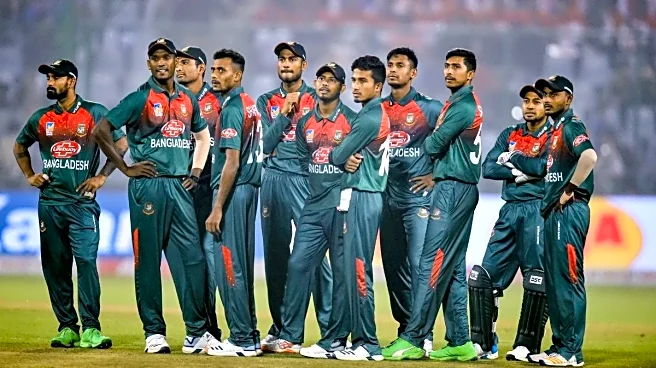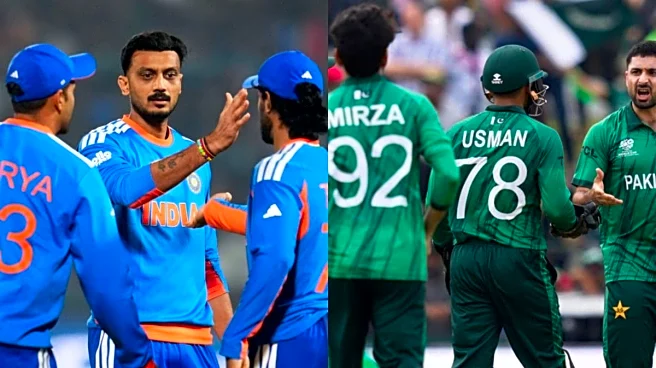

Bangladesh Cricket Board (BCB) president Aminul Islam will reportedly not travel to Colombo for the reported unofficial meeting with his counterparts in the International Cricket Council (ICC) and other Asian boards on the sidelines of the India-Pakistan match at the R. Premadasa Stadium.
He had earlier hinted at accepting the ICC’s official invitation to attend the match. However, according to Cricbuzz, he has changed his mind and returned to Dhaka from a recent Asian Cricket Council (ACC) meeting in Kuwait, instead of traveling to Sri Lanka.
“I spoke with Aminul Islam. Since Bangladesh isn’t in it, he said, ‘Why should I go there just to watch the match?’ So he refused,” BCB umpires committee chairman Iftekhar Rahman told the website. “Maybe
at first he said he would go, but later realized if Bangladesh isn’t playing, what’s the point of going unnecessarily.”
This is what Aminul had told Bangladeshi newspaper Prothom Alo earlier: “The ICC has taken a decision. The major stakeholders of the ICC are these five Asian countries (India, Pakistan, Sri Lanka, Bangladesh and Afghanistan) and for the India-Pakistan match on the 15th in the World Cup, they want representatives of all five Asian countries to be present at the ground together, watch the match together and talk to one another.”
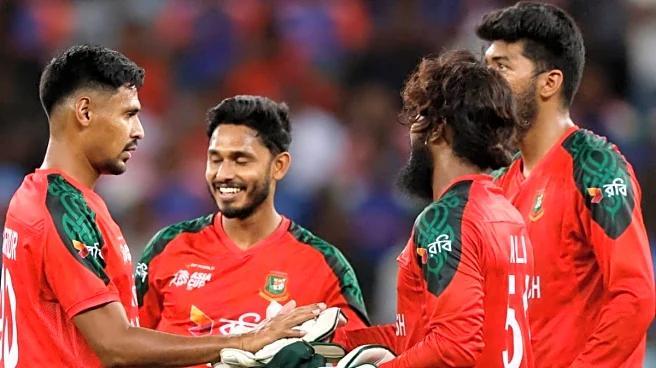
Aminul had also agreed that the meeting would have served as a way to ‘break the ice’ with the Board of Control for Cricket in India (BCCI). The BCB’s relationship with the BCCI worsened after the latter told IPL franchise Kolkata Knight Riders (KKR) to remove Mustafizur Rahman from its roster.
That issue had snowballed into Bangladesh claiming security concerns and refusing to travel to India for the T20 World Cup. ICC had eventually replaced the team with Scotland.
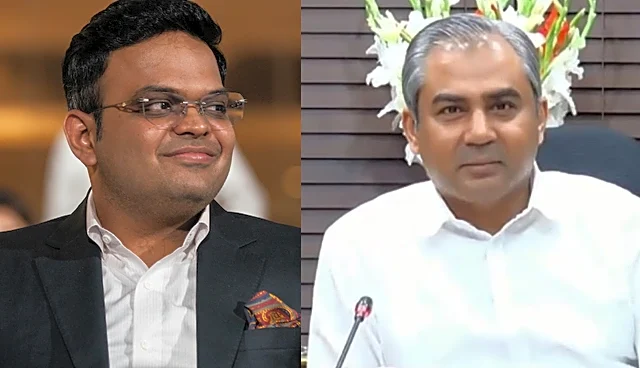
Multiple reports in India have claimed that the ICC chairman Jay Shah would be present at the ground to watch the match and meet with PCB chair Mohsin Naqvi. Aminul and Navi were recently together in Lahore and discussed Pakistan’s boycott of the 2026 T20 World Cup, where the former pushed the latter to change its stance, and the PCB eventually did.