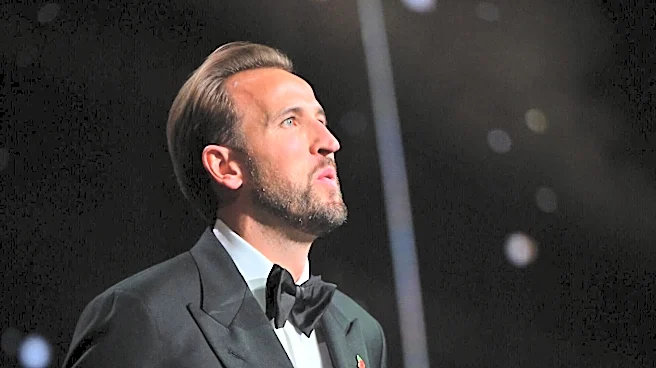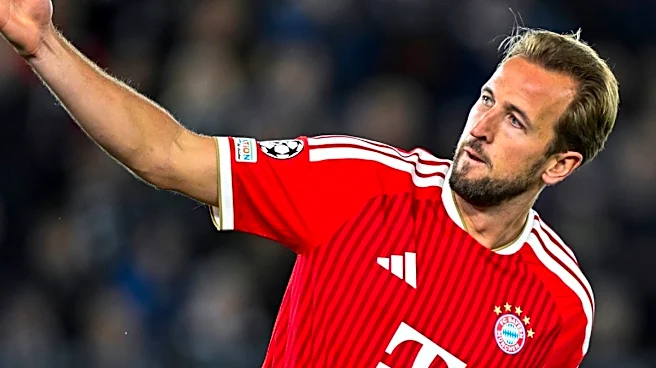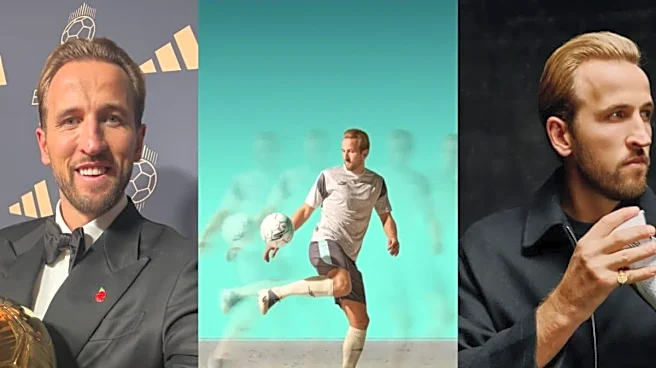

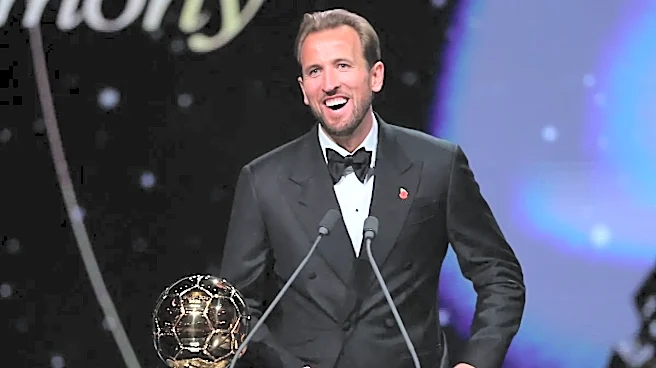

At 33, Harry Kane has reached a career milestone with his Ballon d’Or win. But beyond the goals and trophies, the Bayern Munich and England striker has also been paying attention to what it takes to stay at the top of his game as he gets older.
In an interview with Men’s Fitness, Kane spoke about how his training has evolved, why recovery matters more than ever and what his physical data tells him about his performance. He said he is running faster and reaching the highest top speeds of his career. “I think sometimes there’s a stigma around athletes when they get into their 30s. I’m feeling as good as ever. My running data is higher than ever and I’m reaching peak top speeds in my career,” he told Men’s Fitness.
Kane said one of the biggest lessons
he has learnt is recognising when to train hard and when to ease off. Rather than adding more work every day, he adjusts his sessions according to recovery and the demands of the season. “Yeah, I think you become more aware of when to push and when not to push. Even though I’m in my 30s, I still, to be honest, feel as good as I’ve ever felt in my whole career.” He added that with matches often coming every three or four days, being ready for the next game becomes a priority. “It’s more about recovery and making sure that you’re available for the next game and the next game.”
Strength Training
Kane’s training week includes high-speed running, lower-body strength work, accelerations, decelerations and upper-body gym sessions. The workload changes depending on how close he is to match day. Describing a typical week to Men’s Fitness, he said: “Tuesday is bigger areas, more high-speed running, then lower-body gym and strength work. Wednesday is more short, sharp stuff – accelerations and decelerations – with some upper-body gym work.” The final days before a match are more focused on tactics and preparation, while busy schedules often leave less time for conventional training weeks.
Sleep Is A Recovery Priority
Kane places considerable importance on getting enough sleep, alongside other recovery practices. He believes it is often overlooked despite its role in helping the body recover. “As you get older, recovery becomes even more important. Maybe you don’t bounce back quite as quickly in certain situations, but I feel really good and I think that’s down to all the recovery work I have in place. I’m big on ice baths and big on sleep – making sure I get enough. I think sleep is underrated.” Sleep is important for general health and physical recovery, not just professional athletes. Consistent rest can be more useful than squeezing in extra workouts when the body needs time to recover.
Kane’s recovery routine also includes infrared saunas, stretching, mobility work and treatment. He told Men’s Fitness that one particular practice has been part of his routine for years. “ I do a lot of electrical neurofunctional acupuncture through the nervous system. That’s probably the biggest part of my recovery and I’ve been doing it for six years.”
Mindset Matters
Kane does not believe turning 30 should automatically mean an athlete is past their best. He told Men’s Fitness that he prefers to focus on how he feels and what his performance data shows. “I just take every moment as it comes. Right now, I’m feeling amazing. Until the data and my body tell me otherwise, I’m going to keep pushing and seeing how far that can take me.”