
/images/ppid_a911dc6a-image-177070607402856649.webp)
/images/ppid_a911dc6a-image-17708908284999862.webp)
The Centre has strongly opposed a plea to classify air purifiers as essential health tools so as to slash GST on the device.
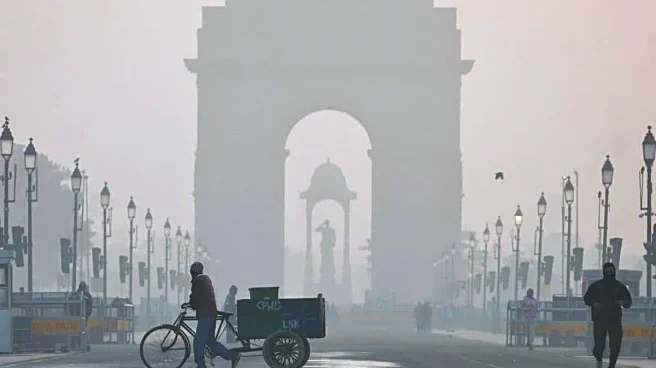
Despite the worsening air quality in Delhi-NCR, the central government wants to maintain the status of air purifiers as luxury goods that are categorised under the 18 per cent tax slab.
According to an affidavit filed before the Delhi High Court, the Centre argued that any judicial intervention to slash GST rates will disrupt the established constitutional GST framework. Officials said the GST Council is the exclusive constitutional body under Article 279A empowered to recommend tax rates. It submitted that for the court to direct a rate reduction or compel the council to adopt a specific outcome would amount to the judiciary
“stepping into the shoes of the GST Council”, thereby violating the doctrine of separation of powers.
The legal tussle arose from a petition filed by advocate Kapil Madan, who contended that air purifiers cannot be treated as luxury items given the “extreme emergency crisis” caused by severe air pollution in Delhi. The petitioner argued that air purifiers should be brought under the 5 percent GST slab, noting that they qualify as medical devices under a February 2020 notification of the Drugs and Cosmetics Act.
The government, however, has countered that a regulatory tag of ‘medical device’ does not automatically decide the tax rate. It warned that such a reclassification will lead to tightened regulations and restricted market entry, potentially creating “monopoly conditions” that benefit only a select few licensed entities. It claimed that the petition is a “colourable” and “motivated attempt” to secure commercial advantages under the guise of public interest.
The high court had earlier expressed its displeasure over the authorities’ apparent inaction regarding tax exemptions during periods of “very poor” air quality in the national capital. It had specifically asked the Centre why GST could not be reduced to make the machines affordable for the common man.
In response, the Centre said if courts were to issue such directions, the GST Council will be reduced to a “mere rubber stamp”. From an economic perspective, it argued that reducing GST only for air purifiers risks an “inverted duty structure”.
Such a move, it claimed, will encourage “cheaper imports” and ultimately hurt domestic manufacturing. The affidavit stated that it is settled law that courts should not substitute themselves for constitutionally-designated decision-makers in matters of fiscal structuring and economic policy.
The matter is listed for hearing before a bench comprising Chief Justice Devendra Kumar Upadhyaya and Justice Tejas Karia.


/images/ppid_a911dc6a-image-177088805007765911.webp)

/images/ppid_a911dc6a-image-177081068165096105.webp)