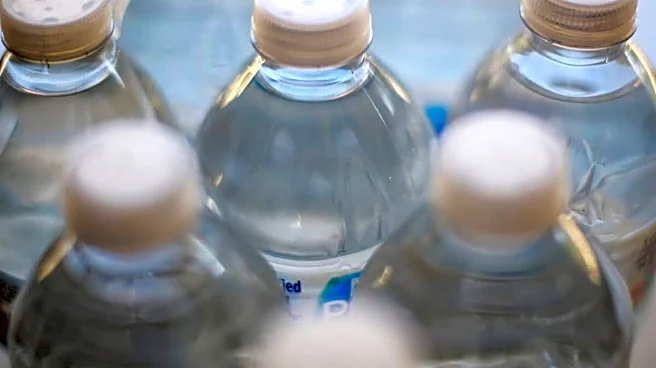




Can consumers in Uttar Pradesh be certain that the packaged drinking water they buy is safe to drink? The question has gained urgency after the Food Safety and Drug Administration (FSDA) detected microbiological contamination in 57 samples of packaged drinking water during a statewide inspection drive, prompting orders to stop production at the units concerned and suspend their food licences.
The FSDA tested 242 samples collected across Uttar Pradesh during a week-long inspection campaign. While 57 samples were found microbiologically unsafe, another 146 failed to meet prescribed quality standards. The findings have brought the spotlight on the quality of packaged drinking water, the effectiveness of routine inspections and the enforcement mechanisms
meant to protect consumers from potentially contaminated products.
FSDA Commissioner Roshan Jacob has directed officials to suspend the food licences of units linked to microbiologically unsafe samples and ensure that production remains halted until the required corrective measures are completed. Units found manufacturing substandard water have been served improvement notices and given a stipulated period to bring their products in line with prescribed standards.
“Water is a product that consumers buy with trust in its purity and safety. Any contamination directly affects consumer confidence,” Jacob said, stressing the need for strict compliance with food safety standards.
Laboratory findings indicated the presence of potentially harmful contaminants, including E coli, coliform bacteria, yeast and mould. The findings raise questions about hygiene during processing, the cleaning and maintenance of equipment, the quality of source water and the effectiveness of disinfection and bottling procedures at the affected facilities.
Unsafe samples detected in 39 districts
The geographical spread of the unsafe samples indicates that the problem is not confined to a single industrial cluster or district. Manufacturing units linked to microbiologically unsafe samples were identified in 39 districts, with Ghaziabad and Hapur recording four samples each.
Gautam Buddha Nagar and Ayodhya reported three unsafe samples each. Two samples each were found in Lakhimpur Kheri, Prayagraj, Bareilly, Bijnor, Jaunpur, Hathras, Shravasti and Siddharthnagar.
Lucknow also figured in the list, with one microbiologically unsafe sample detected. Other districts reporting one unsafe sample each included Hardoi, Amethi, Barabanki, Ambedkar Nagar, Kanpur Nagar, Shahjahanpur, Baghpat, Moradabad, Rampur, Gorakhpur, Deoria, Varanasi, Aligarh, Bahraich, Azamgarh, Jhansi and Agra.
The separate category of substandard samples revealed an even wider spread of quality failures. Chandauli topped the list with 12 samples failing to meet prescribed standards. Ayodhya, Barabanki, Ghaziabad and Jaunpur recorded eight such samples each, followed by Kanpur Nagar with seven.
Agra and Bareilly reported six substandard samples each, while Prayagraj and Varanasi recorded five each.
FSDA officials said that the distinction between microbiologically unsafe and substandard samples is significant. A microbiologically unsafe result indicates a potential biological contamination concern, while a substandard finding means a sample has failed one or more prescribed quality requirements. The two categories should not automatically be treated as identical, although both warrant regulatory scrutiny and corrective action.
Five batches must pass before production resumes
The FSDA has prescribed different compliance requirements for units linked to unsafe and substandard samples.
Units associated with microbiologically unsafe water must rectify the deficiencies and have five batches tested under the prescribed testing scheme. Each batch must comprise 1,000 bottles. Production can resume only after the samples meet the required standards, officials said.
Units found manufacturing substandard water have been given one week to address the deficiencies. They must subsequently get three batches tested to demonstrate improvement.
Assistant commissioners (food) have been tasked with inspecting the facilities after corrective measures are completed and submitting verification reports to the department headquarters. Units that fail to improve within the stipulated period will face legal action under the Food Safety and Standards Act, 2006.
The production stoppage and licence suspension orders are intended to prevent continued manufacturing while the deficiencies remain unresolved. However, the effectiveness of the action will depend on how quickly the affected facilities are inspected, whether corrective measures are independently verified and whether products already distributed to retailers are traced and dealt with appropriately.








/images/ppid_59c68470-image-179191752279318180.webp)
