

/images/ppid_a911dc6a-image-178439043478115643.webp)
/images/ppid_a911dc6a-image-17844424214057902.webp)
/images/ppid_a911dc6a-image-178440502772361698.webp)
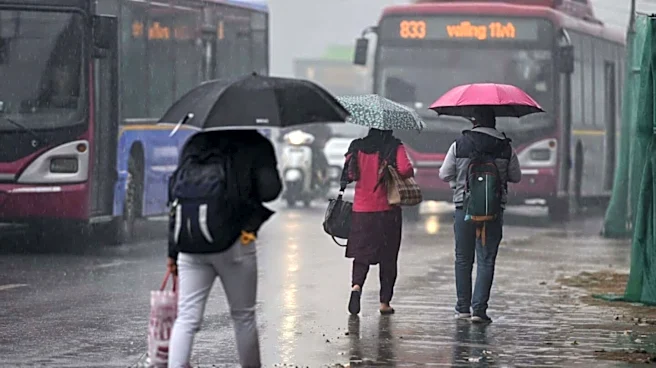
While the onset of the monsoon brings much-needed relief from the scorching summer heat, it also marks the beginning of a season when children become more susceptible to infections. Across the Delhi-NCR region, there has been a noticeable rise in viral illnesses, gastrointestinal infections and mosquito-borne diseases among children.
According to Dr Vivek Jain, Senior Director & Unit Head, Paediatrics, Fortis Hospital, Shalimar Bagh, Delhi, young children are particularly vulnerable because their immune systems are still developing. The good news, however, is that most seasonal infections can be prevented by following a few simple yet effective precautions.
Common Monsoon Infections In Children
Viral Infections
Respiratory illnesses such as the common cold, cough, sore throat and viral
fever are among the most common infections during the rainy season. While most viral infections are self-limiting and resolve without specific treatment, Dr Vivek Jain advises parents to seek medical attention if a child develops persistent fever, difficulty breathing or extreme lethargy.
Gastrointestinal Infections
The risk of gastrointestinal illnesses, including diarrhoea, vomiting, food poisoning and typhoid, increases during the monsoon due to contaminated food and water. Maintaining food hygiene and ensuring access to safe drinking water are essential preventive measures.
Mosquito-Borne Diseases
The accumulation of stagnant rainwater creates ideal breeding conditions for mosquitoes, leading to a spike in dengue, malaria and chikungunya cases. Dr Vivek Jain points out that dengue requires particular vigilance, as there is no specific antiviral treatment available for the disease.
Simple Yet Effective Precautions For Parents
As the saying goes, prevention is better than cure. Dr Jain recommends the following habits to help protect children during the monsoon season:
Teach children to wash their hands thoroughly with soap before meals, after using the toilet and after returning home from outdoors.
Ensure they drink only filtered, boiled or purified water.
Avoid roadside beverages, uncovered food and cut fruits sold in the open.
Serve freshly prepared, home-cooked meals. Leftover food should be stored properly and reheated thoroughly before consumption.
Wash salads, fruits and vegetables carefully with clean water before serving.
Dress children in full-sleeved clothing whenever possible and use age-appropriate mosquito repellents. Installing mosquito nets or window screens can provide additional protection.
Prevent children from playing in waterlogged areas or coming into contact with contaminated rainwater, as this may increase the risk of bacterial and skin infections.
Most importantly, Dr Vivek Jain emphasises that children should receive all recommended vaccinations on time. While vaccines may not prevent every seasonal infection, they significantly reduce the risk of serious illnesses and related complications.
Warning Signs Parents Should Never Ignore
Although many viral illnesses improve with rest and proper hydration, certain symptoms require immediate medical evaluation.
Dr Jain advises parents to consult a doctor without delay if their child experiences:
A high fever lasting more than 48 hours or a fever that returns after subsiding.
Repeated vomiting or diarrhoea leading to dehydration or reduced urine output.
Difficulty breathing, rapid breathing or chest retractions.
Severe abdominal pain or refusal to eat or drink.
Excessive sleepiness, confusion, irritability or an unresponsive state.
Bleeding from the gums or nose, unexplained bruising, or a rash accompanied by fever, especially during dengue season.
Convulsions or seizures at any age.
For infants, additional warning signs include poor feeding, persistent crying, unusual drowsiness and reduced activity levels.
Dr Jain also cautions parents against self-medicating their children, particularly with antibiotics. Since most seasonal infections are viral, antibiotics are often unnecessary and their misuse contributes to antimicrobial resistance while potentially causing unwanted side effects.
Caring For A Child Recovering At Home
For mild viral infections, supportive care remains the cornerstone of recovery.
According to Dr Vivek Jain, parents should:
Keep children well hydrated by offering plenty of fluids.
Use Oral Rehydration Solution (ORS) if the child has diarrhoea.
Provide a balanced, nutritious diet.
Ensure the child gets adequate rest.
Continue breastfeeding infants.
Parents should never administer fever-reducing medicines without consulting a healthcare professional and should always follow the recommended dosage. Aspirin should never be given to children unless specifically prescribed by a doctor.
Awareness, Not Fear, Is The Best Protection
While the monsoon season brings an annual increase in childhood infections, there is no reason for panic.
Dr Jain says that maintaining good hygiene, ensuring timely vaccinations and recognising early warning signs can go a long way in preventing complications.
“Children naturally love playing in the rain and enjoying the outdoors during this season. With a few sensible precautions and prompt medical attention whenever required, parents can ensure that the monsoon remains a joyful and healthy time for the entire family.”
/images/ppid_59c68470-image-178460270004891458.webp)




/images/ppid_a911dc6a-image-178439802273394181.webp)

/images/ppid_a911dc6a-image-178437226458051548.webp)
/images/ppid_a911dc6a-image-1784394554853729.webp)