



The International Cricket Council (ICC) is set to introduce ‘Return to Play Post-Pregnancy Guidelines’ for female cricketers, comprising a detailed framework for member boards to support players through pregnancy, childbirth and their comeback to the game.
Let’s have a look at the guidelines that, according to Cricbuzz, come amid the growing professionalisation of women’s cricket, with an increasing number of players choosing to start families during their playing careers.
Who Created The Guidelines?
The guidelines were developed by the ICC Medical Advisory Committee, led by Dr Philippa Inge, doctor of the Australian women’s team. Boards are encouraged to adapt the guidelines based on local laws, while keeping player wellbeing as the top priority.
Support For Players
The guidelines recommend that boards:
* Appoint a dedicated case manager for each pregnant player
* Offer flexible training schedules
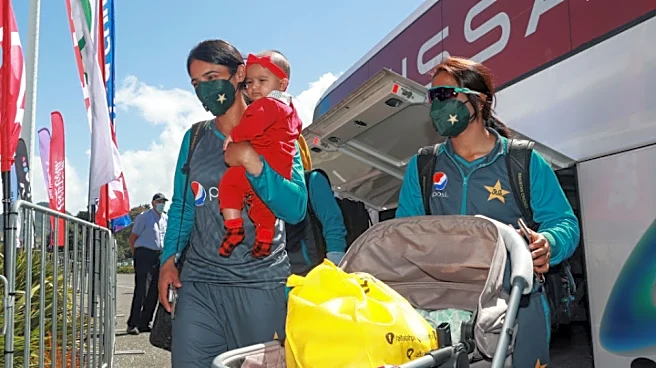
* Provide childcare and travel support
* Ensure access to medical, mental health and wellbeing services during pregnancy and after birth
Role Of The Case Manager
The case manager will usually be a doctor or physiotherapist, who will act as the main point of contact for the player. The case manager would coordinate support services, oversee reviews and help ensure that decisions remain focused on the wellbeing of both mother and baby. The designated person will help ensure decisions focus on the health of both mother and baby.
Regular Review Meetings
The boards should hold player management meetings at key stages. The ICC document suggests that teams should have regular check-ins with players at important stages — when a player announces her pregnancy, during the last few months before delivery, about six to eight weeks after childbirth, and then every four weeks when she starts returning to cricket.
Medical And Support Team
It also recommends having a strong support system around the player. This should include doctors, physiotherapists, fitness trainers, psychologists, dieticians, coaches, and even family support. The focus should always be on what works best for the player, with flexibility in decisions.
Pregnancy, Privacy And Training
The guidelines clearly say that it is the player’s personal choice if and when she wants to share news about her pregnancy. Cricket boards should not force pregnancy tests. While staying active during pregnancy is encouraged, decisions about training and playing should be made individually, in consultation with medical experts.
Playing During Pregnancy
Although the document suggests that players may stop competing after the first trimester, it also makes it clear that there is no strict rule. The final decision should always be taken by the player along with her doctors and the team’s medical staff.